

Hydro-jetting is about as good as drain cleaning gets – fast, thorough, and it doesn’t send harsh chemicals down your line. So how does it actually work, and why do plumbers and homeowners swear by it?
How Does Hydro Jetting Work?
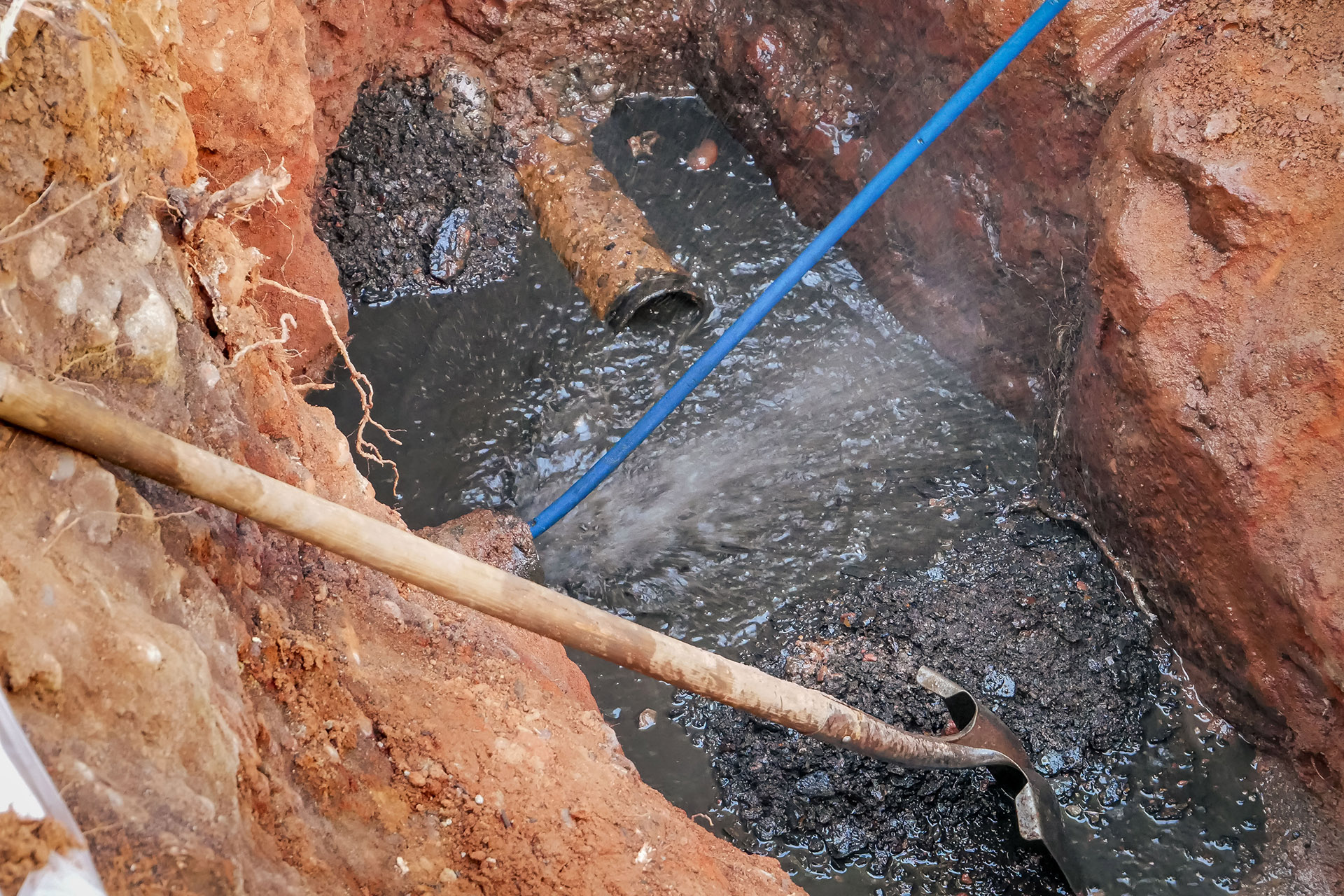
Hydro Jetting by Almco Plumbing
Hydro jetting clears stubborn clogs and gunk out of your sewer line with high-pressure water – nothing fancy, just water hitting hard. Here’s how it goes:
- Inspection & Assessment. Before anything sprays, the plumber runs a CCTV camera down the line to see what’s causing the clog, check for cracked or bellied pipe, and pick the right pressure for the job.
- High-Pressure Water Application. A hose with a multi-directional nozzle goes into the line. The machine pumps water at 3,000 to 8,000 PSI, blasting through grease, sludge, and even tree roots that worked their way in.
- Full Pipe Cleaning. Snaking just punches a hole through the clog. Hydro jetting scours the whole inside wall of the pipe – grease, scale, mineral buildup, all of it – so flow comes back and clogs don’t return as fast.
- Final Inspection & Testing. After the cleaning, a second camera pass checks that the line’s actually clear and there’s no deeper damage that needs a real repair.
Hydro jetting is a pro’s tool – in the wrong hands, on tired old pipe, it can do real damage. On Reagan-era plumbing especially, you want a licensed plumber making the call on whether your line can take it.
The Science Behind Hydro Jetting
Most methods just break through the clog. Hydro jetting cleans the pipe wall end to end, close to how it left the factory. Here’s what’s going on:
High-Pressure Water Dynamics
These rigs push water from 3,000 to 8,000 PSI – enough muscle to tear apart the stuff that usually wins:
- Grease and fat that cakes up under the kitchen sink
- Hard-water scale and mineral buildup
- Tree roots that snuck into the sewer line
- Soap scum and sludge coating the pipe walls
Multi-Directional Jet Nozzle Technology
A nozzle with several jet openings rides on a flexible hose down into the pipe. It’s built to:
- Fire water forward to break the clog open
- Spray backward, fast, to flush the debris out behind it
- Spin a full 360 so nothing’s left on the walls
The Self-Propelling Mechanism
Those backward jets give the nozzle a reverse thrust, so it pretty much pulls itself down the line. It rides through twists, bends, and long runs without much fuss – and cleans the whole way.
The Role of Fluid Dynamics
Moving that fast, the water shears hardened gunk right off the wall without chewing up the pipe. And since it’s just water – no harsh chemicals down the drain – it’s about as green as drain cleaning gets.
It all comes down to two things: water pressure and a smart nozzle. Together they clean deep without hurting the pipe – one of the best ways going to keep a line clear and flowing.
Why Choose Hydro Jetting Over Snaking?
When a clog won’t quit, it usually comes down to two options: snaking or hydro jetting. Both clear a drain. One lasts a lot longer. Here’s why hydro jetting usually wins.
1. Complete Pipe Cleaning vs. Partial Blockage Removal
- Snaking: the auger punches a hole through the clog and water flows again – for a while. It leaves the grease and sludge stuck to the walls, so the clog comes back.
- Hydro jetting: high-pressure water cleans the whole pipe, grease and roots and all, for a fix that holds.
2. Effectiveness Against Different Types of Clogs
- Snaking handles soft stuff – toilet paper, a hairball – but it taps out on grease, scale, and roots.
- Hydro jetting breaks up and flushes the lot: hardened grease, mineral deposits, roots that’ve moved in.
3. Preventing Future Clogs
- Snaking just opens a channel. The leftover residue builds right back up.
- Hydro jetting strips the walls clean, so it’s a lot longer before the next clog.
4. Eco-Friendly & Chemical-Free
- Snaking’s chemical-free too, but it doesn’t deep-clean.
- Hydro jetting runs on water pressure alone – nothing harsh going into the ground.
5. Suitable for Residential & Commercial Applications
- Snaking’s fine for a small household clog.
- Hydro jetting handles homes, restaurants, and industrial lines – grease-packed restaurant drains, big sewer mains, all of it.
When to Choose Hydro Jetting Over Snaking
- When it’s grease, scale, or tree roots.
- For upkeep, to keep the line clear long-term.
- When snaking already tried and the clog came back.
- On commercial or heavy-use systems that need a real cleaning.
Snaking’s the quick patch. Hydro jetting’s the real fix. If you want the pipe actually clean – not just a hole poked through the clog – hydro jetting’s the way to go.
When is Hydro Jetting Recommended?
Hydro jetting’s a strong tool, but you don’t need it for every slow drain. Here’s when it’s the right call.
1. Persistent or Recurring Clogs
If the drain keeps slowing down or clogging back up, hydro jetting gives it a deep clean that holds. Snaking just opens a gap; hydro jetting clears the grease and sludge off the walls for good.
2. Grease & Sludge Buildup
Kitchens and restaurants get grease in the lines, no way around it. It hardens, grabs everything else floating by, and you’ve got a nasty clog. Hydro jetting’s pressure breaks down even the worst of it and washes it out.
3. Mineral & Scale Buildup from Hard Water
San Diego‘s got hard water, and that scale builds up inside the pipe, slowly choking the opening down. Hydro jetting strips the scale and gives you back the full pipe – better drainage, better pressure.
4. Preventative Maintenance for Commercial & High-Use Plumbing
Apartment buildings, industrial sites, anywhere with heavy water use – a regular hydro jetting keeps the lines clear and heads off the expensive emergency call.
5. After a Failed Snaking Attempt
When snaking can’t clear it, or the clog just keeps coming back, hydro jetting’s the next move. It cleans deeper and clears what the auger can’t touch.
One more thing: plumbers often jet the line before a camera inspection or a big repair. A clean pipe means a clear picture – and debris won’t get in the way of the work.
The Role of Hydro Jetting in Preventative Maintenance
Hydro jetting isn’t only for the bad clogs – it’s one of the best ways to keep a system from ever getting there. Jet the lines on a schedule and you dodge the big repairs, your pipes last longer, and the water keeps moving.
1. Prevents Major Clogs Before They Form
Grease, soap scum, food bits, scale – it all stacks up inside the pipe and slowly chokes the flow. Regular jetting flushes it out before it turns into a full clog, so no slow drains, no backups.
2. Reduces Plumbing Emergencies
Clogs and backups have a way of blowing up at the worst time (usually a Sunday – always a Sunday). Scheduled jetting clears the hidden buildup before it turns into a 2 a.m. emergency call.
3. Keeps Sewer Lines & Drains Functioning Efficiently
In high-use spots – restaurants, apartments, commercial buildings – grease and waste pile up fast. Routine jetting keeps the drainage smooth and heads off the smell, the slow flow, and the headaches.
4. Protects Against Tree Root Intrusions
Got trees near the sewer line? The roots go looking for water and find your pipe. Hydro jetting cuts out the small intrusions before they grow into a dig-up-the-yard repair.
5. Extends the Lifespan of Pipes
Buildup inside the line leads to corrosion, leaks, and uneven pressure – all of it shaves years off your plumbing. Clear it out regularly and you take the strain off, so the pipes last longer.
6. Essential for Businesses & High-Traffic Plumbing Systems
Hotels, restaurants, hospitals – they can’t run with a backed-up line. Hydro jetting keeps the pipes clear so there’s no costly downtime mid-shift.
Hydro jetting’s one of the smartest dollars you’ll spend on upkeep. Home or business, it heads off the surprise failures, keeps things running right, and stretches the life of your pipes – saving you real money down the road.
Hydro jetting is plumbing tech doing what it should – a tough, clean fix for clogs and upkeep both. Almco Plumbing runs it week in and week out to keep San Diego‘s pipes clear the honest way: just water, done right.