
Flood Restoration Services in San Diego, CA: Reliable Solutions, Benefits, and Pricing
Flood restoration services are essential for homeowners and businesses in San Diego, CA, where unexpected water damage from storms or coastal flooding is not uncommon. More often, however, floods result from plumbing failures, which can pose serious structural and health risks. Acting quickly after a flood is critical to minimizing damage, preventing mold growth, and restoring your property safely and efficiently.
This article explores the most common causes of flooding in San Diego County, the step-by-step restoration process, and how to prevent future flooding caused by domestic issues.
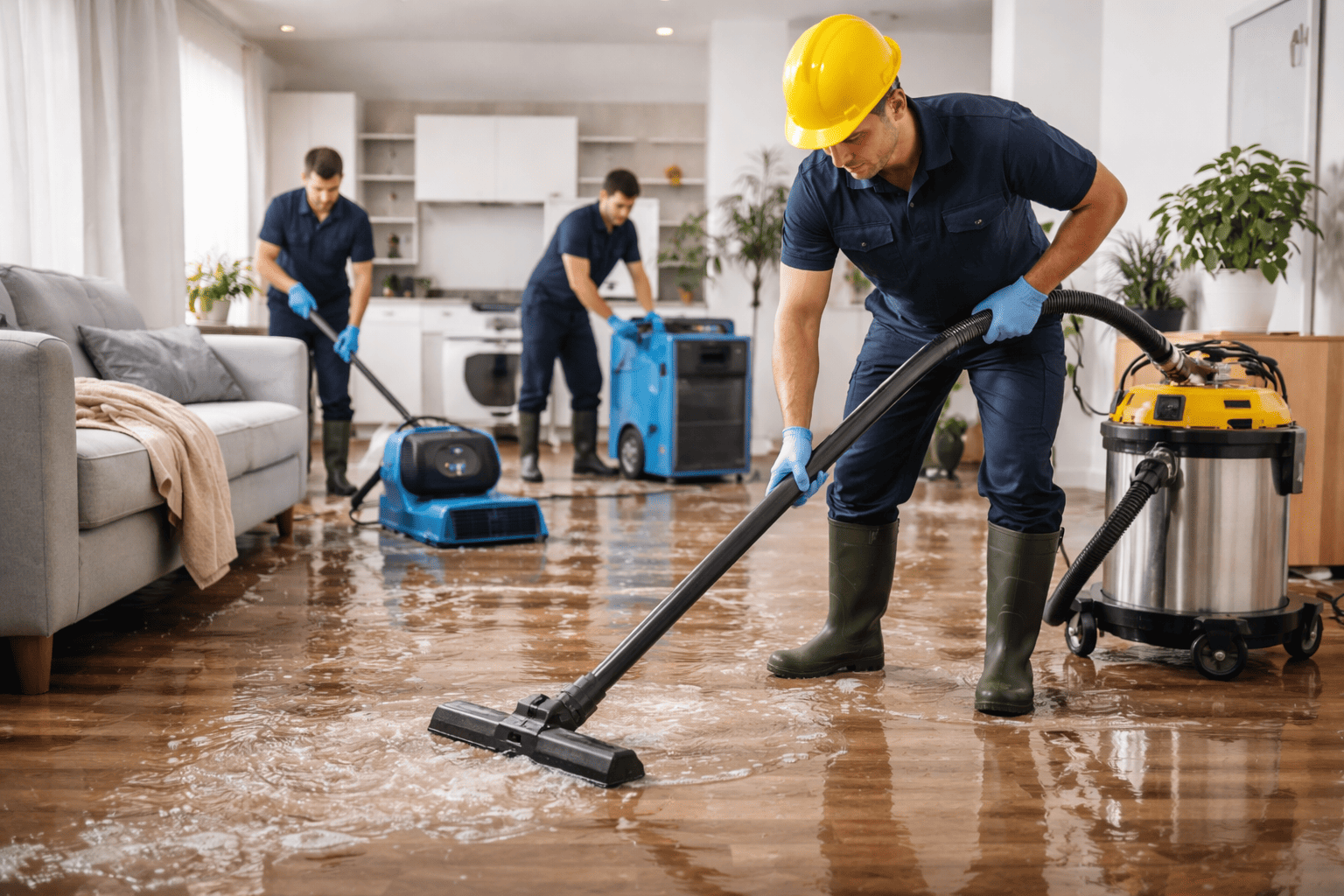
What Does Flood Restoration Service Include?
Flood restoration involves cleaning, drying, repairing, and restoring a property damaged by water—from either natural disasters or internal plumbing issues. The goal is to make your home or commercial building safe and habitable again while preventing further damage such as mold or structural weakening.
To achieve this, professionals use specialized equipment and proven techniques to handle both visible and hidden damage efficiently.
Typical flood restoration services in San Diego include:
- Water Extraction
- Drying and Dehumidification
- Cleaning and Sanitizing
- Mold Prevention and Remediation
- Structural Repairs and Restoration
Flood restoration is more than just water removal—it ensures full property recovery, delivering safety, cleanliness, and peace of mind.
Common Causes of Flooding in San Diego
While California is famous for its sunny weather, San Diego still faces flood risks—especially during seasonal storms or due to aging infrastructure.
The most common causes of flooding in the San Diego area are:
- Heavy Rain & Flash Floods: Winter storms can overwhelm drainage systems, causing water to pool in basements, yards, and low-lying homes.
- Plumbing Failures: Burst pipes, leaking water heaters, and faulty appliances can cause rapid flooding if not addressed immediately.
- Sewer Backups: Overloaded or damaged sewer systems can push contaminated water back into homes—especially during heavy rain or when tree roots interfere with underground pipes.
- Poor Drainage or Grading: Blocked gutters or improperly sloped landscapes can direct water toward the foundation, leading to leaks or interior flooding.
- Wildfire Burn Scars: Areas recently affected by wildfires are more prone to mudflows and flash flooding during rainstorms due to reduced ground absorption.
Understanding these causes can help San Diego residents prepare and respond more effectively to flood risks.
Immediate Steps to Take After Flooding
Taking swift action after flooding can reduce long-term damage, limit health hazards, and speed up recovery.
The next important steps to take immediately after flooding are as follows.
Here’s what to do immediately.
- Ensure Safety First
- Turn off electricity and gas if safe to do so
- Avoid standing water—it may contain contaminants or hide electrical hazards
- Evacuate if there’s structural risk
- Contact a Professional Flood Restoration Company
- Call a trusted local provider like Almco Division—Tempo Restoration, which offers 24/7 emergency response
- Document the Damage
- Take photos/videos of affected areas for insurance claims
- Remove Essential Belongings
- Safely move furniture, electronics, and important documents to a dry location if possible
- Stop the Water Source
- Shut off the main valve if plumbing is the cause
- Use sandbags or temporary barriers to stop incoming water
- Ventilate & Start Drying
- Open windows and use fans or dehumidifiers—only after confirming electrical systems are safe
- Avoid DIY Cleanup in Contaminated Areas
- Leave hazardous cleanup (e.g., sewage or mold) to certified professionals
These steps help ensure a safer, more efficient restoration process.
The Flood Restoration Process Step-by-Step
Taking swift action after flooding can reduce long-term damage, limit health hazards, and speed up recovery.
Each step is designed to ensure your property is safe, clean, and structurally sound.
The Flood Restoration Steps
- Inspection. Technicians assess damage using moisture meters and thermal cameras and determine the water contamination level (clean, gray, or black water).
- Water Removal & Extraction. High-powered pumps and vacuums extract standing water from all affected areas.
- Drying & Dehumidification. Industrial-grade fans and dehumidifiers target hidden moisture in walls, subfloors, and ducts. Monitoring may continue for days.
- Cleaning & Sanitizing. Surfaces are disinfected; odors are treated. Belongings like rugs or textiles may be cleaned off-site.
- Mold Prevention & Remediation. Early signs of mold are treated with antimicrobial solutions. Containment measures stop spores from spreading.
- Repairs & Restoration. Damaged drywall, insulation, flooring, or cabinetry is replaced. Repainting and structural repairs are done to restore appearance and safety.
- Final Inspection. A walk-through confirms all work is complete. Insurance documentation support is also provided.
Tips for Preventing Future Flood Damage
Though some floods are unavoidable, preventive steps can reduce the risk of water damage.
Here are four ways to protect your home or building.
Maintain Your Plumbing
- Regularly inspect pipes, appliances, and hoses for leaks
- Install leak detectors and replace aging parts early
Improve Exterior Drainage
- Keep gutters and downspouts clear
- Grade the landscape away from the foundation
- Consider backflow valves to prevent sewer backup
Waterproof Basements & Crawl Spaces
- Use waterproof sealant on walls and floors
- Seal cracks in the foundation
Protect Key Systems & Valuables
- Elevate HVAC systems and electrical components in flood-prone areas
- Use waterproof storage for documents and valuables
- Use flood-resistant materials in renovations
These steps can help prevent expensive flood damage and improve resilience during heavy rain or plumbing failures.