
Sewer line repair & replacement is one of the main services Almco Plumbing provides to homeowners across San Diego, and keep the price fair and predictable. We have been repairing and replacing sewer lines since 2001, and in that time our technicians have seen just about everything local homes can hide underground – from original clay and cast-iron pipes in older neighborhoods to modern plastic lines. That experience lets us pick the right fix the first time, back it with a warranty for many years.
New to all the plumbing jargon? You’re in the right place. Below, we explain in plain English what damages sewer lines, how to spot trouble early, and how trenchless repair – done through a couple of small access points instead of an open trench – lets us fix your pipes without digging up your yard, driveway or home.
Causes of Sewer Line Damage in San Diego, CA
Your sewer line is the pipe that quietly carries wastewater from your house to the city main. As long as it works, nobody thinks about it – but ignore the early warning signs, and a small crack can snowball into sewage backing up into your home. Here are the most common causes of sewer line damage we see at San Diego homes and businesses.
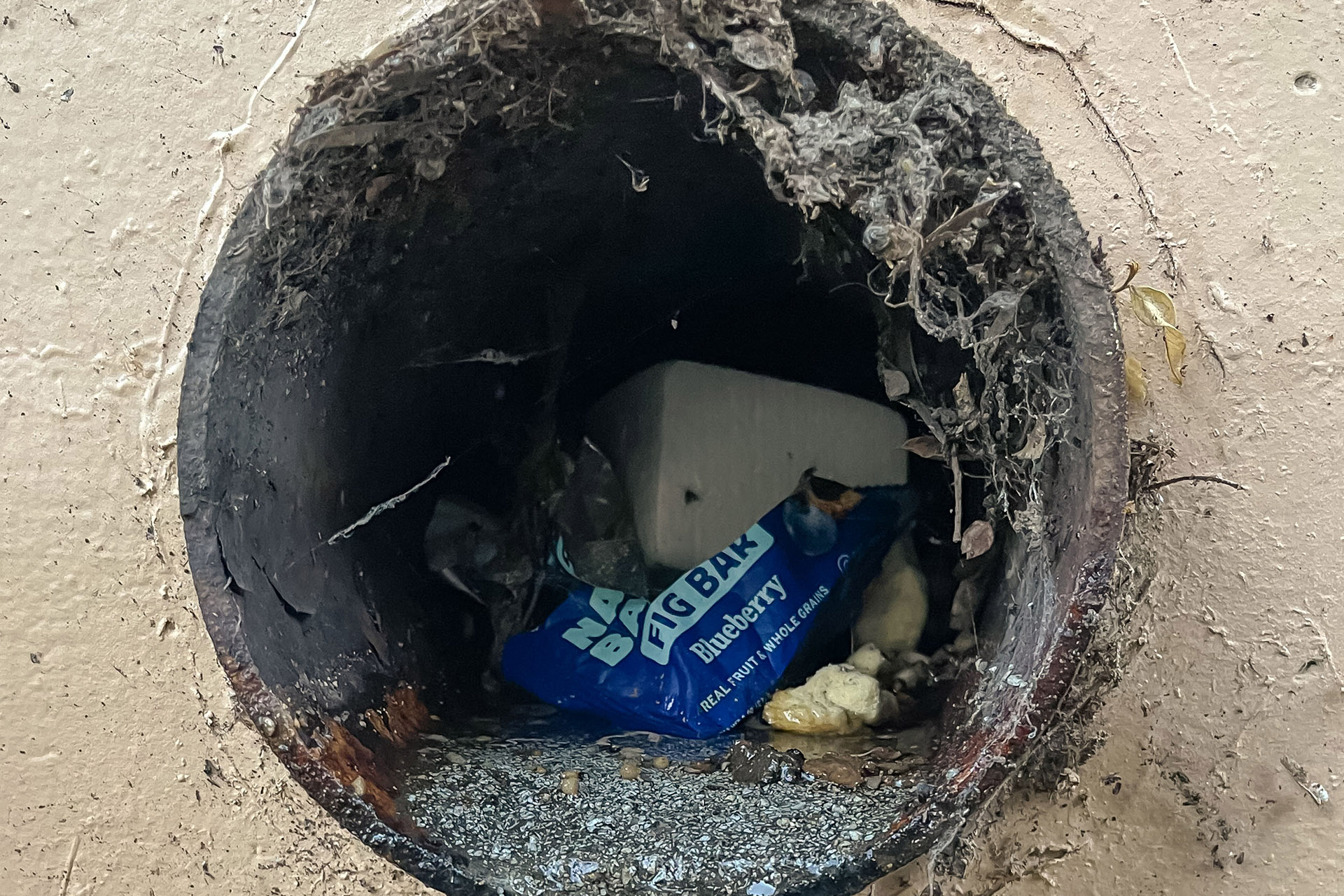
Sewer lines are built to handle only toilet paper and human waste. Flushing objects down a toilet (like wrappers and plastics) can cause a clog.
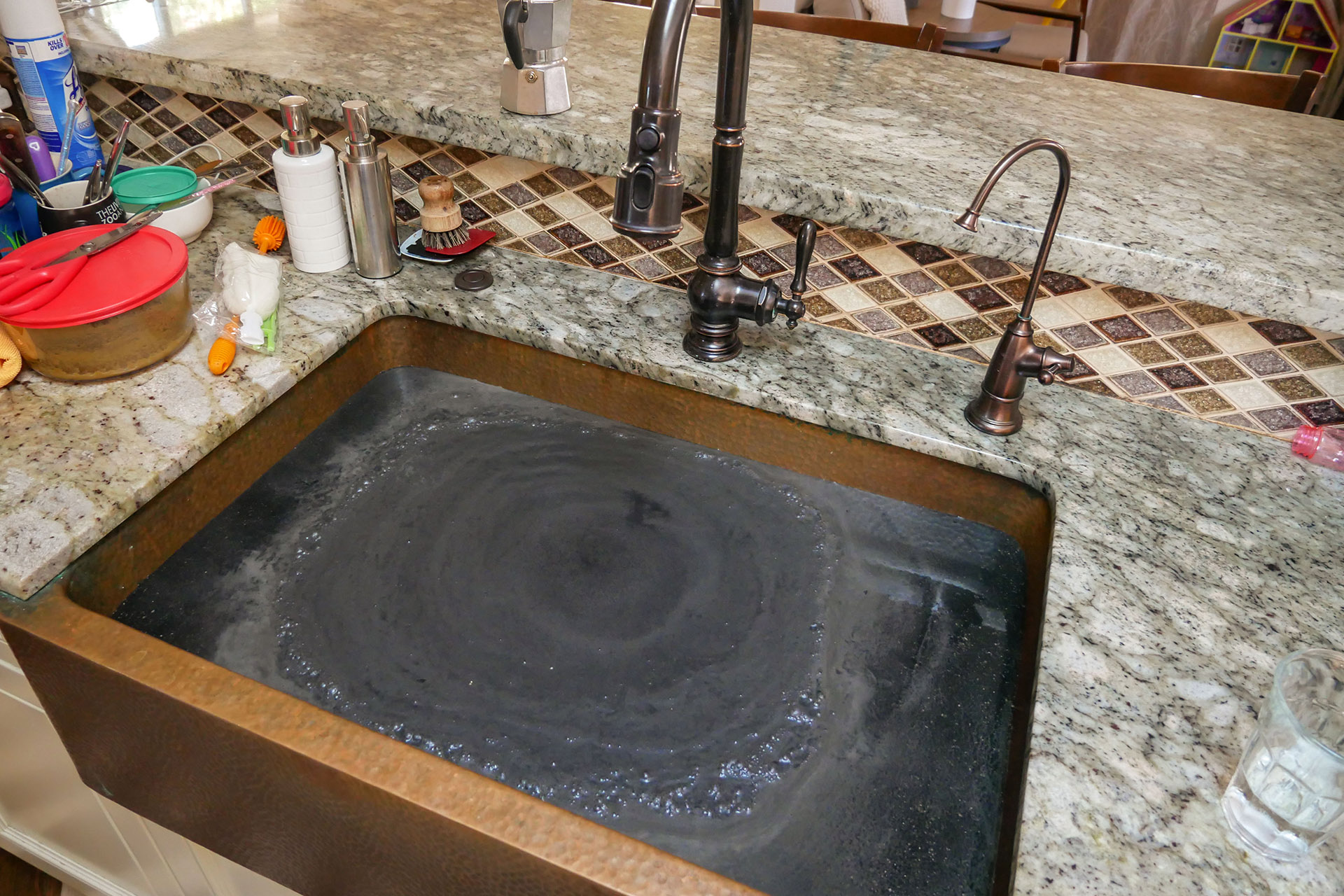
Grease and cooking oil are other blockers for kitchen plumbing. The best solution is to pour these into containers, let them cool, and then dispose of them in the trash. You can also wipe off grease with a paper towel and place it in a trash can.
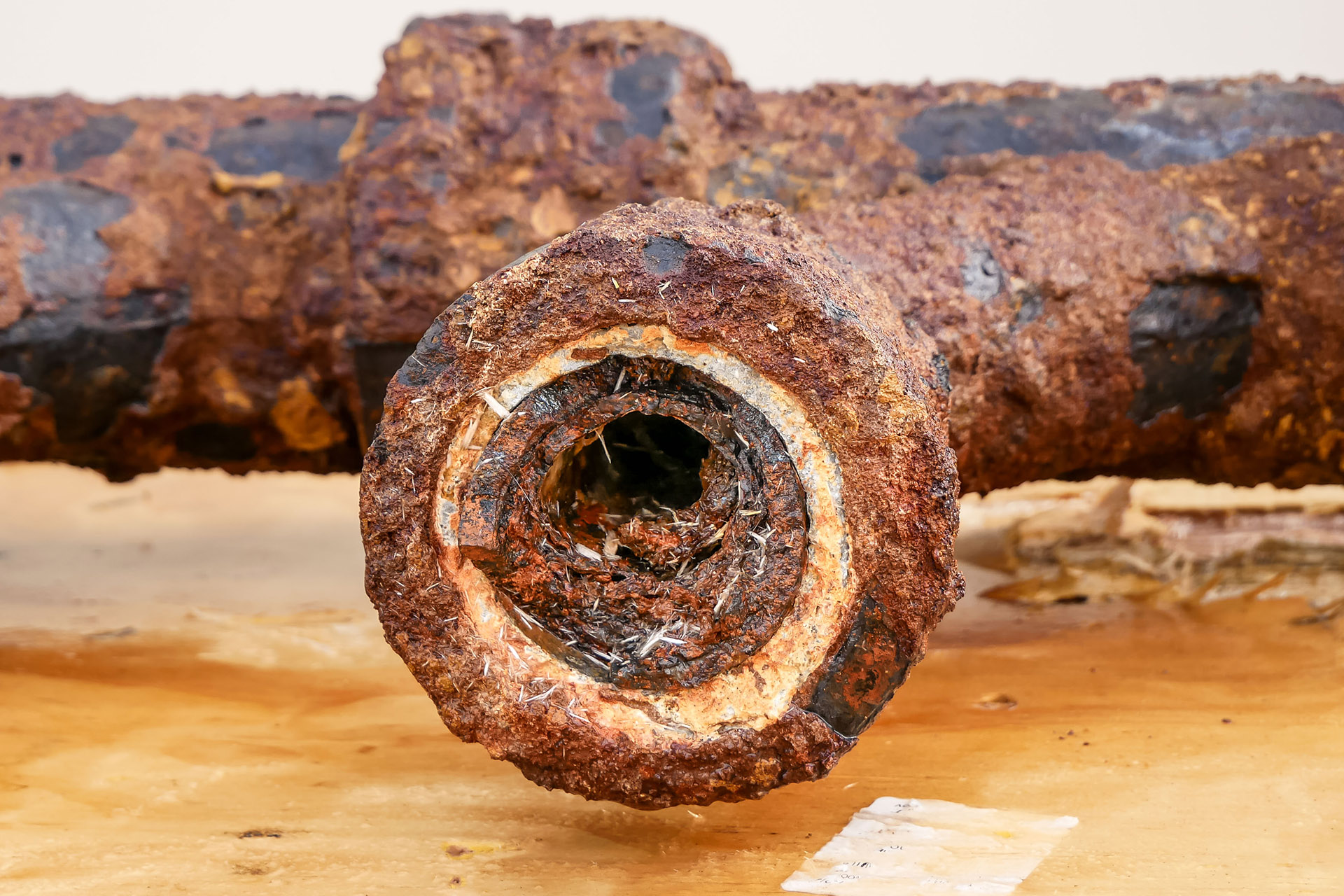
All sewer pipes in residential homes built before 1970 are cast iron, and all pipes from the sidewalk to the city main are clay pipes. They can suffer from corrosion caused by internal wear and tear, resulting in cracks and leaks that require complete replacement.
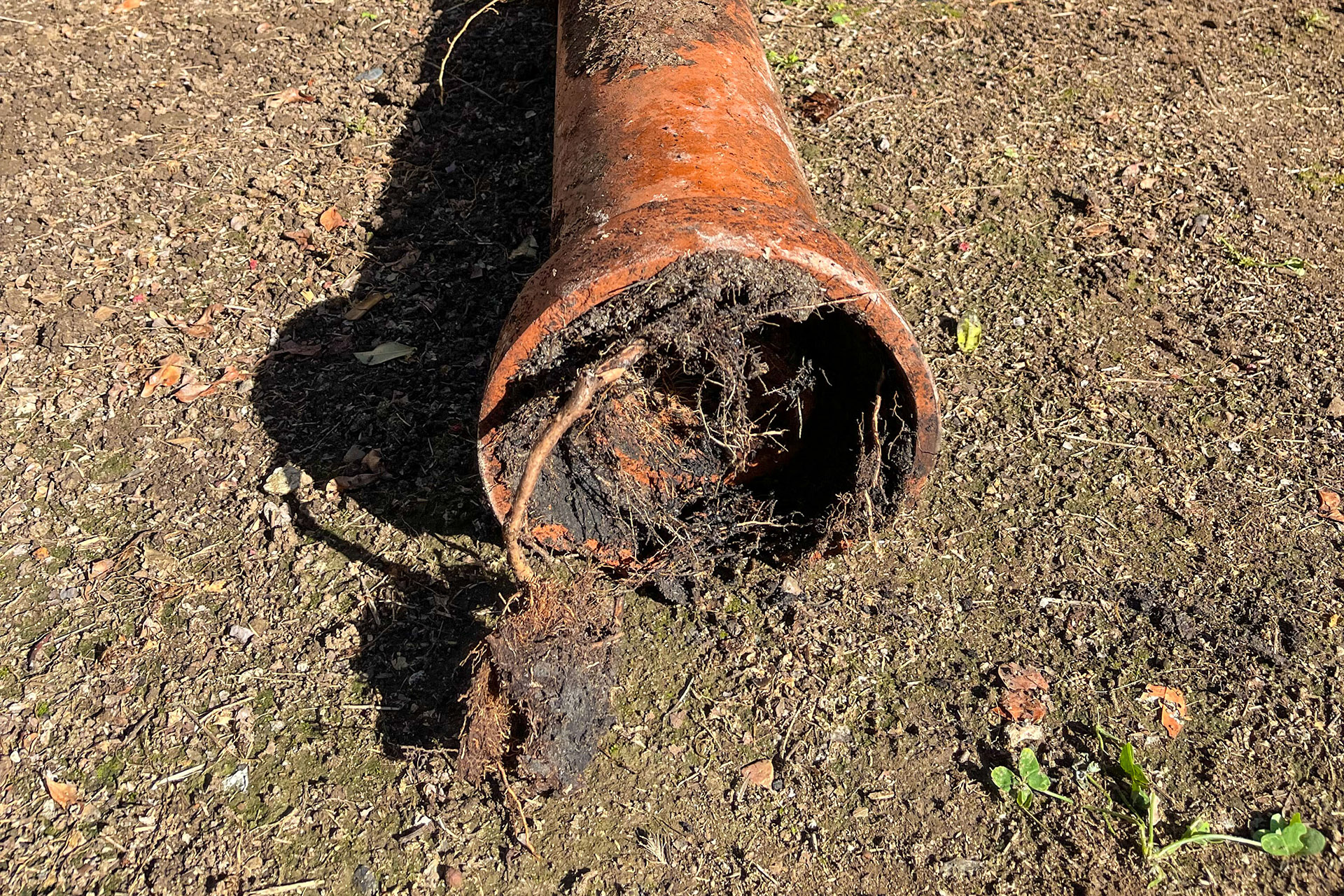
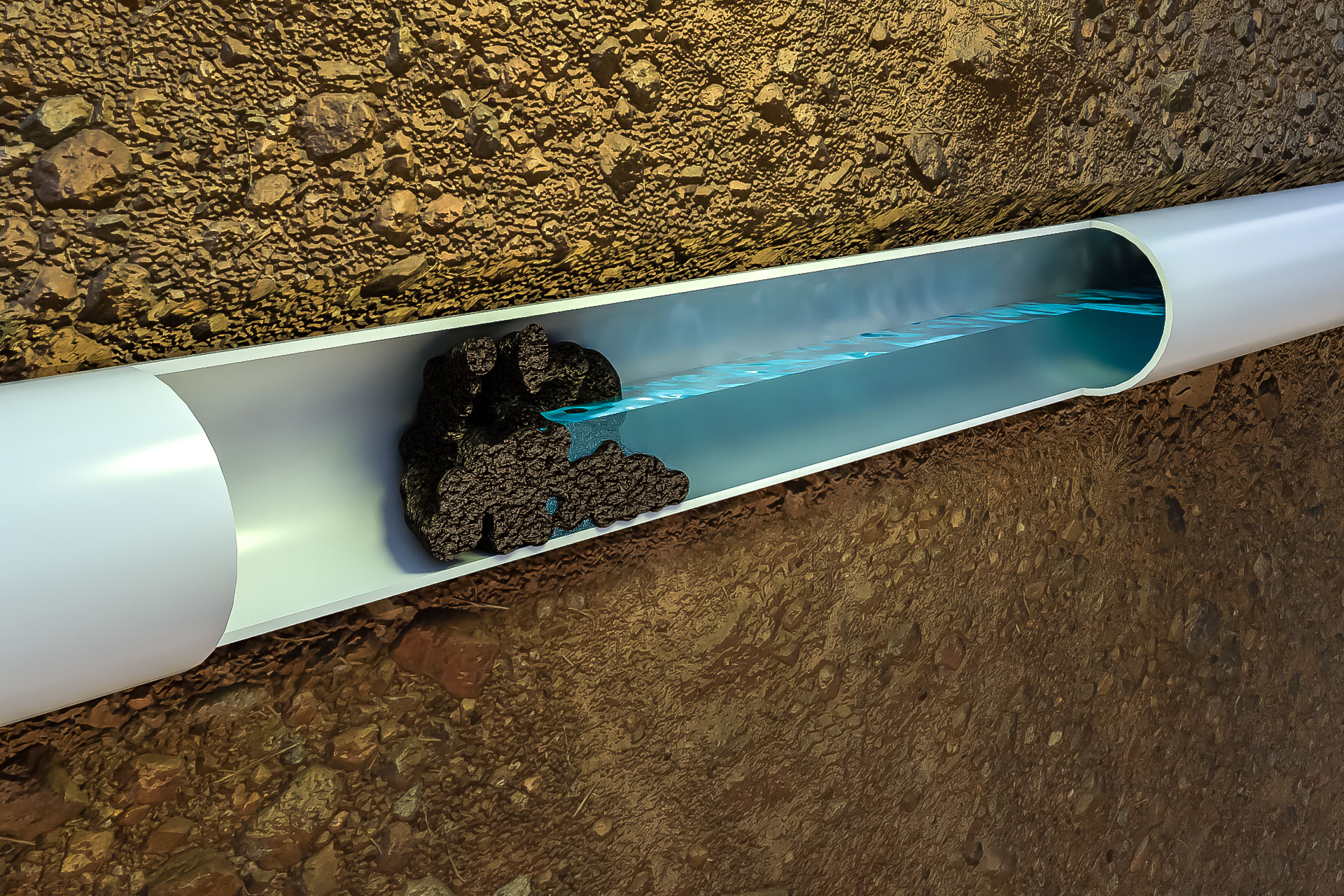
Tree roots are another cause of sewer line damage. As they grow, tree roots follow nutritious water sources, especially if they carry waste. Clay pipes are the most susceptible to sewer line damage. Once a root has grown, it will usually wrap around a clay pipe, often causing it to break.
How to Detect Sewer Damage?
The worst way to find out your sewer line has failed is when it stops working on a Sunday evening. If you notice any of the signs below, call a professional: a quick sewer camera inspection shows exactly what is going on inside the pipe, so you pay to fix the real problem – not the symptoms.
Draining Problems
Draining Problems
One slow drain usually means a local clog in the small pipe serving a single shower or faucet – annoying, but easy to fix. Trouble in the main sewer line looks different: several fixtures back up at the same time, often starting on the lowest floor.
Your toilet can warn you, too. Gurgling sounds after flushing mean air is trapped where it shouldn’t be – a classic sign that the main drain line needs to be inspected and possibly repaired.
Bad-smelling Yards

Bad-smelling Yards
Sewer pipes are usually buried about six feet underground, and in San Diego’s warm climate a broken pipe makes itself known by smell surprisingly fast. You might also spot a soggy patch or a pool of water in the yard, or a strip of grass that is suddenly greener and thicker than the rest of the lawn – that’s leaking sewer water feeding it from below.
Mold on Walls & Floors
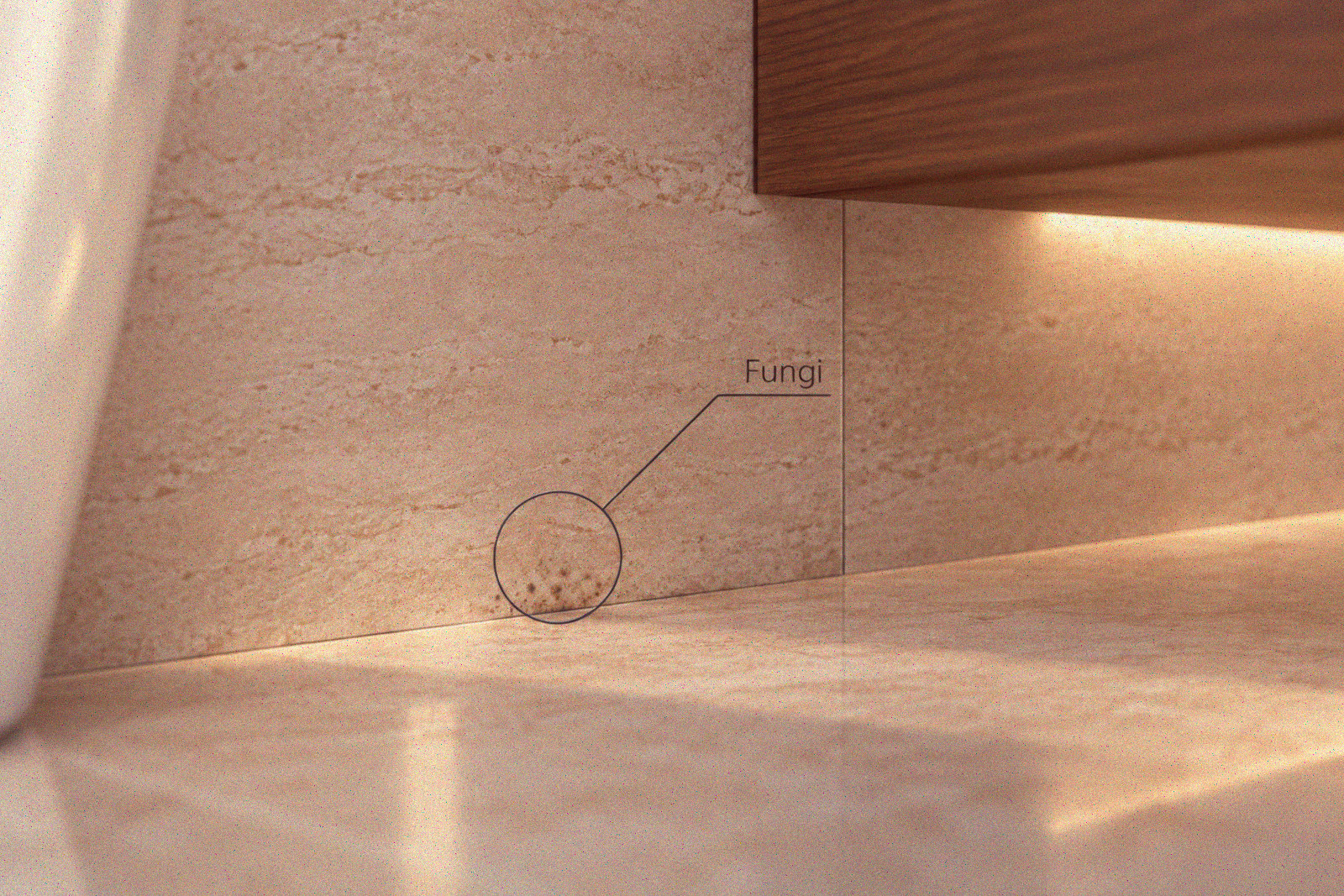
This is the sign to watch for inside the house. Mold spreading on walls or floors – especially around bathrooms – often points to a leaking drain pipe hidden in the slab or walls. Mold is bad for your family’s health, so if you see it, call a plumber right away.
Main Sewer Pipe Repair & Replacement: Two Solutions
If your main sewer line is broken, you really have two options.
The first is a DIY dig. You can rent equipment, open a trench across the yard and try to fix the line yourself. In practice this almost always costs more time and money than expected – and if the rest of the aging system stays in place, the repaired spot simply fails again. Counting the ruined landscaping, concrete and flooring, the secondary damage can cost double what a professional replacement would.
The second – and your best bet – is trenchless repair, done by trained technicians. It starts with video camera sent into the sewer line to pinpoint exactly where and how badly the pipe is damaged. Based on what the camera shows, one of two methods is chosen:
Pipe Bursting
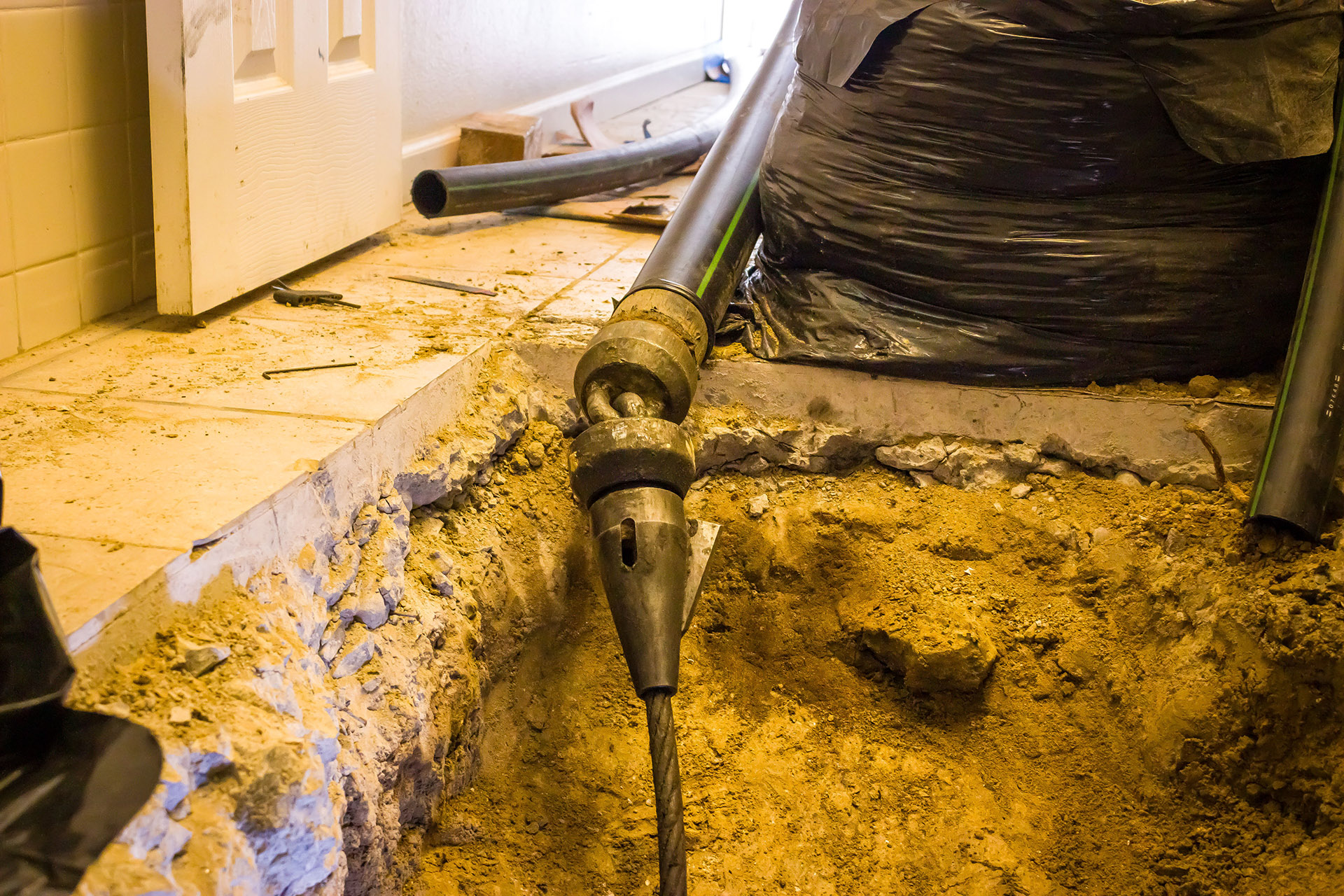
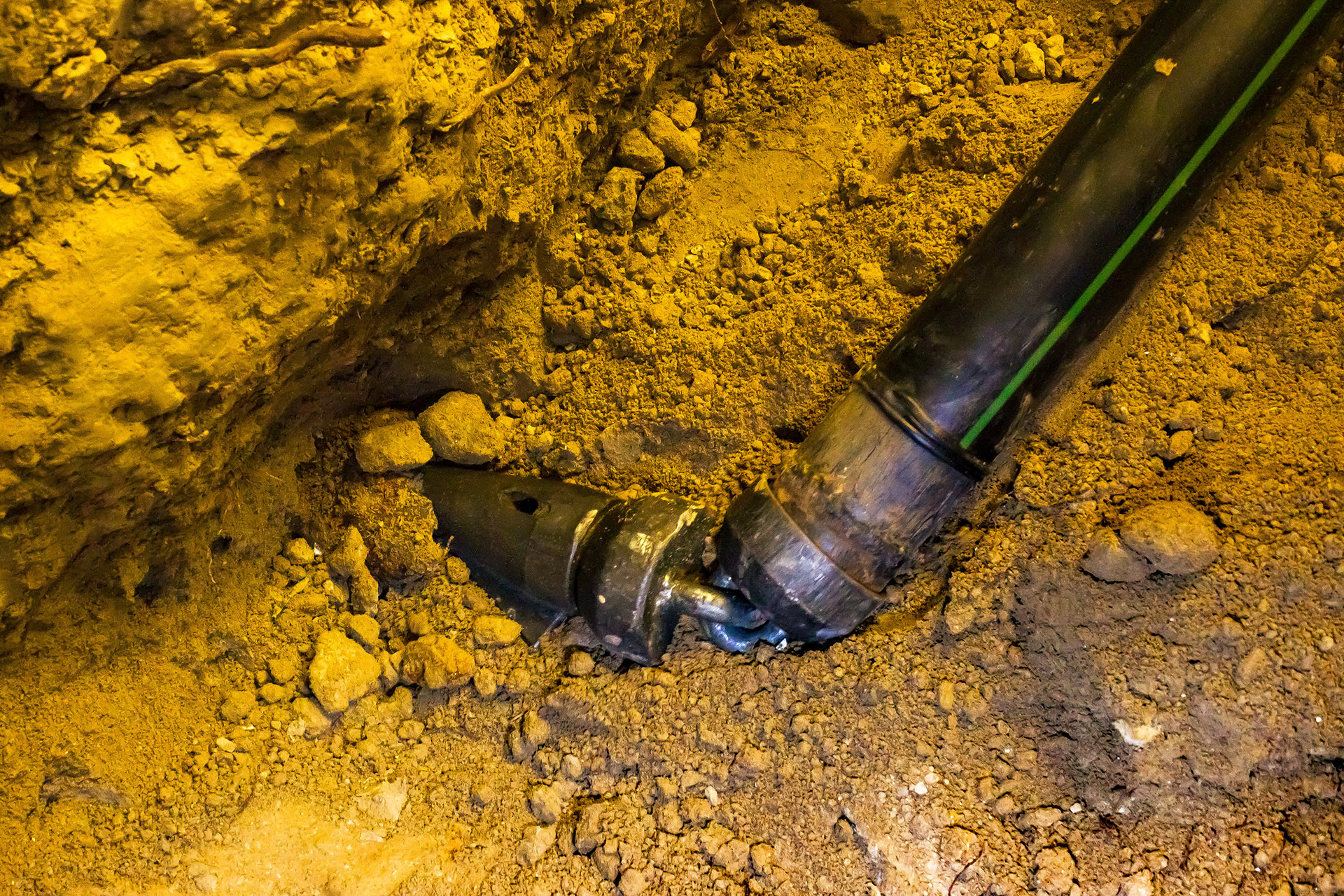
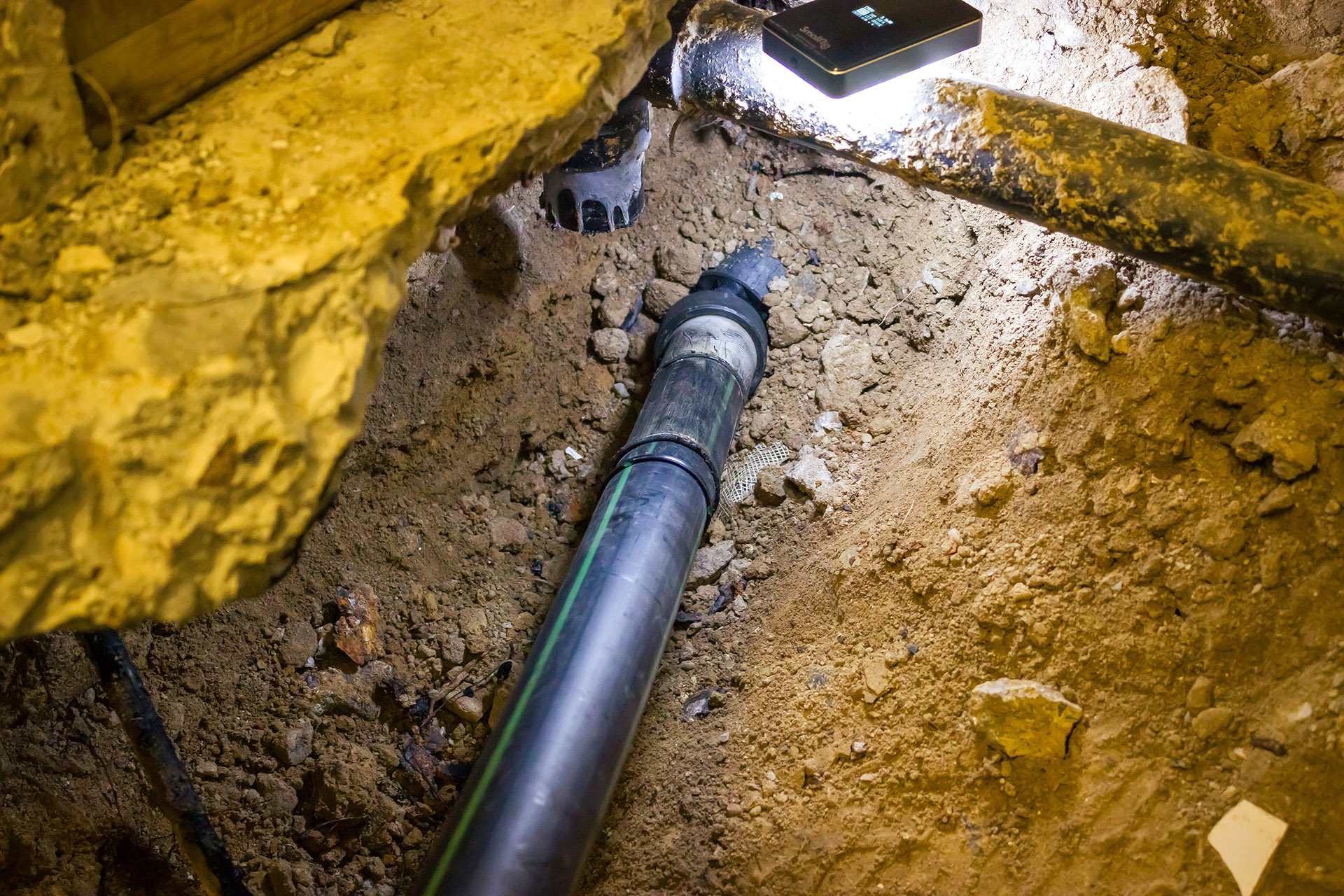
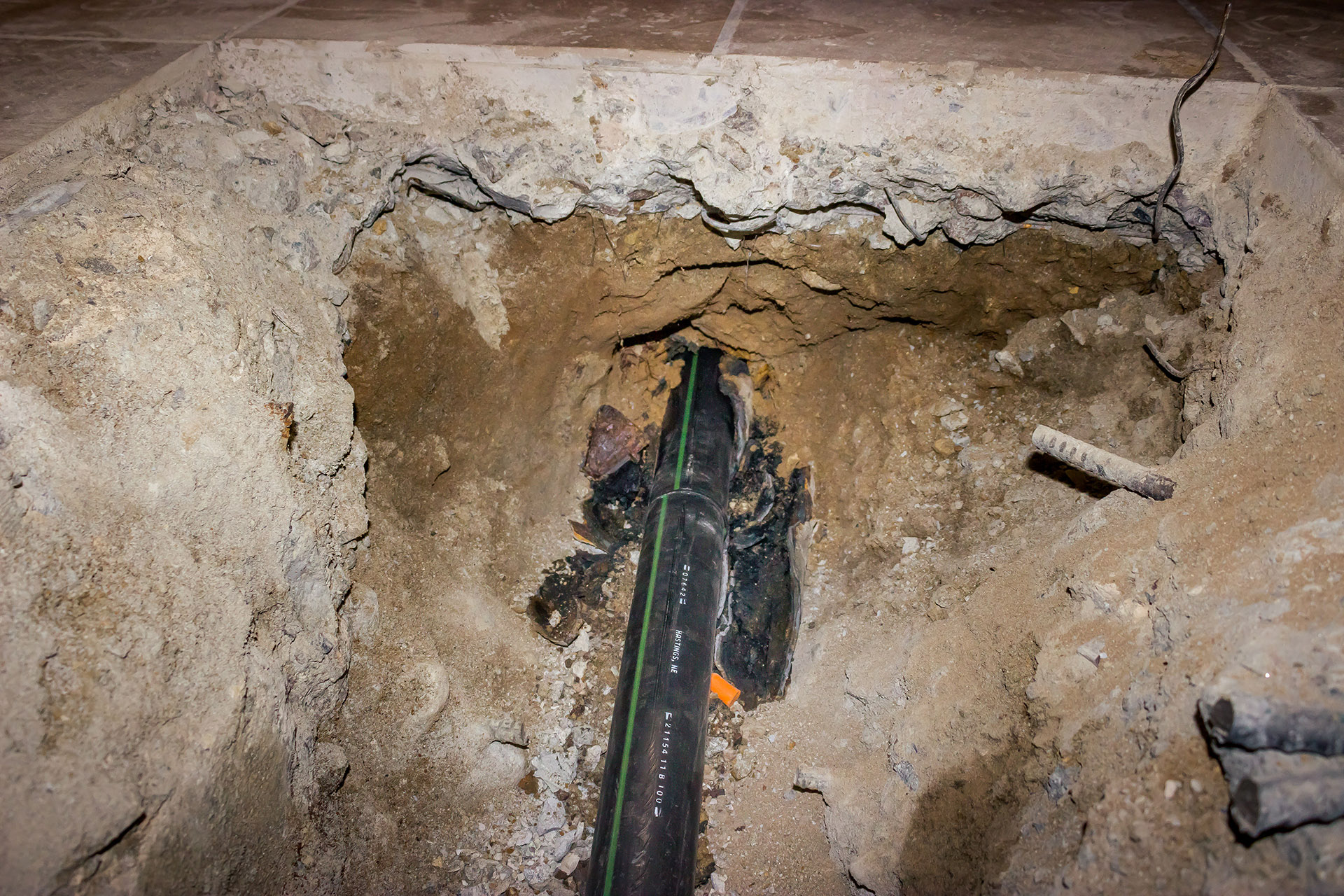
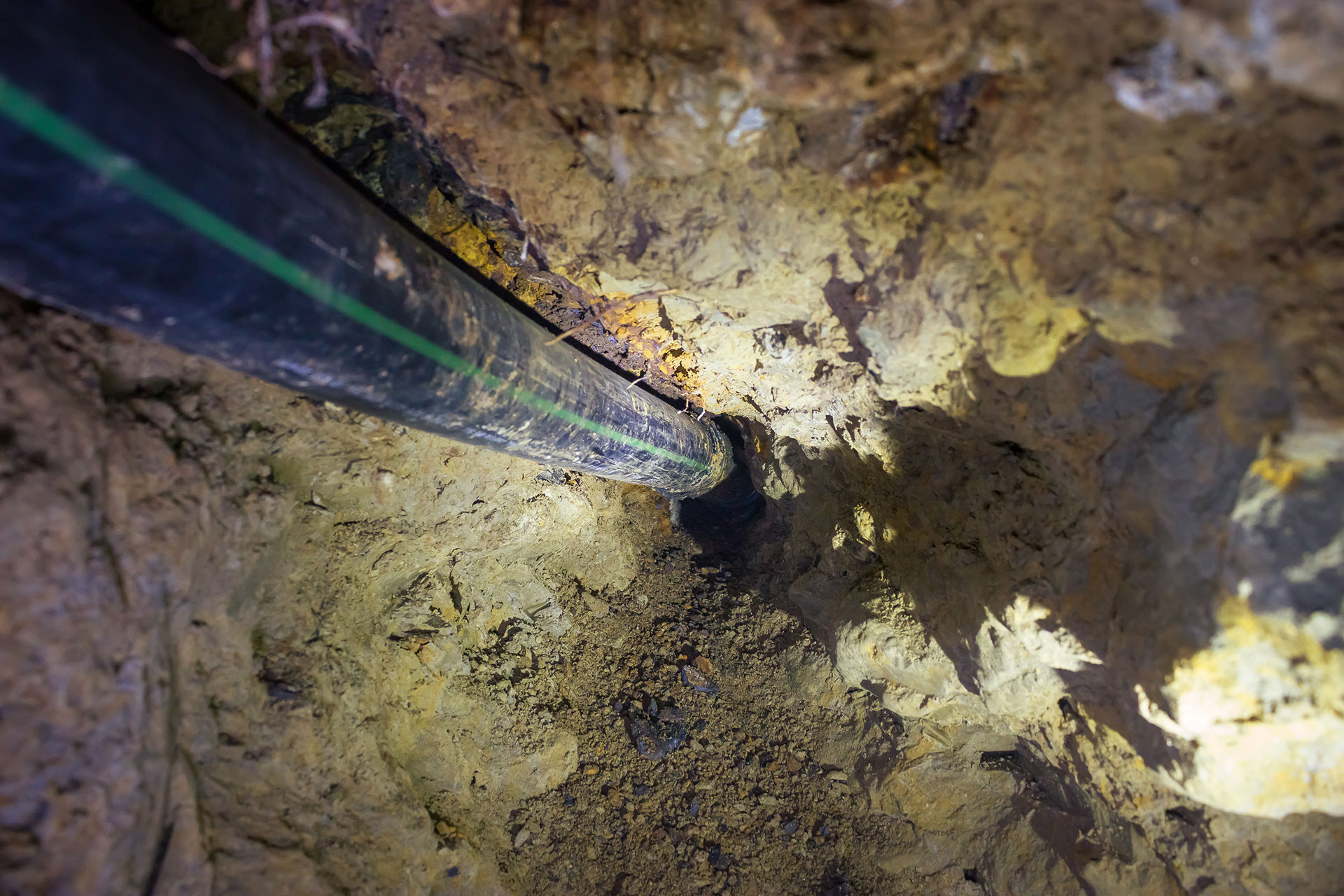
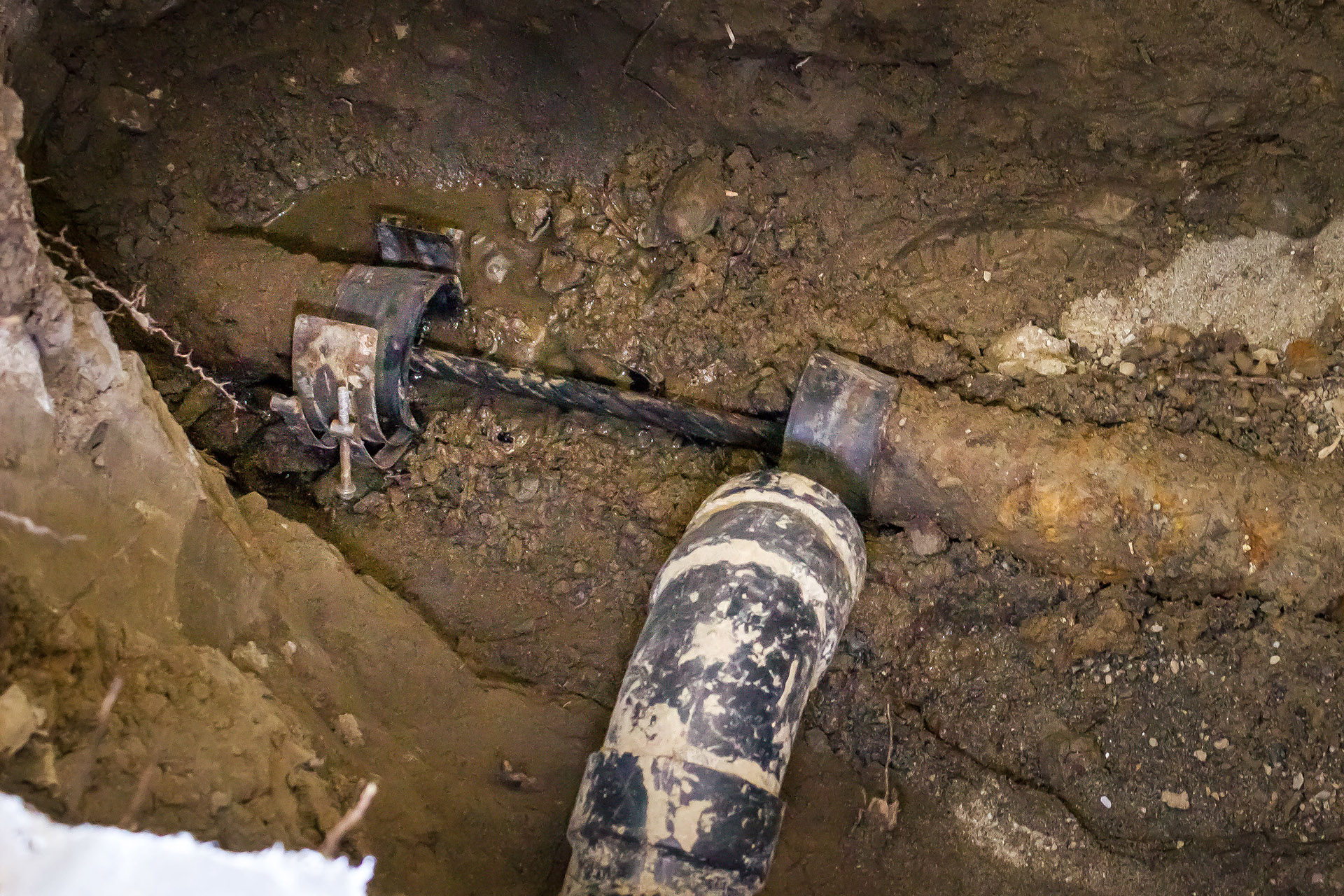
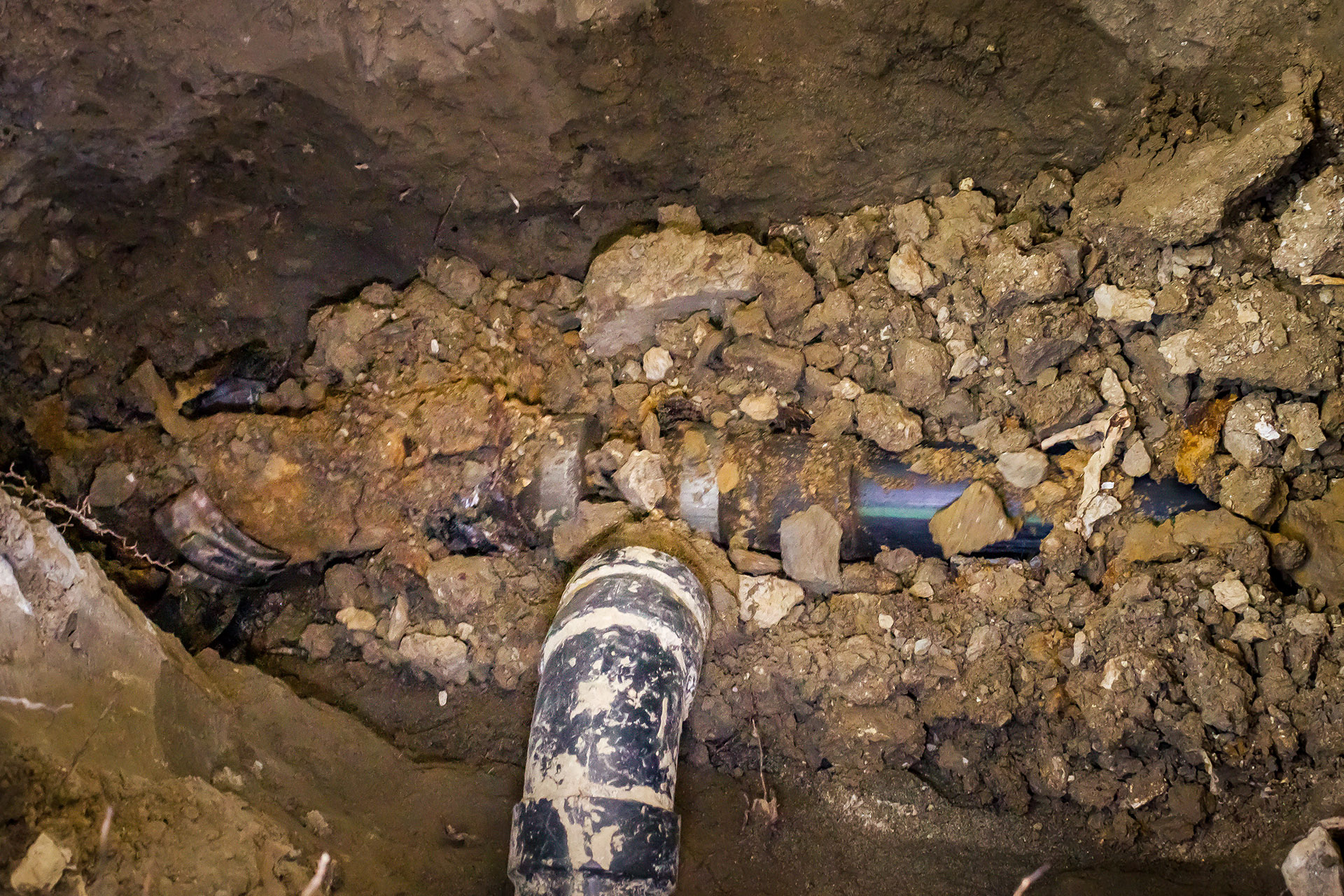
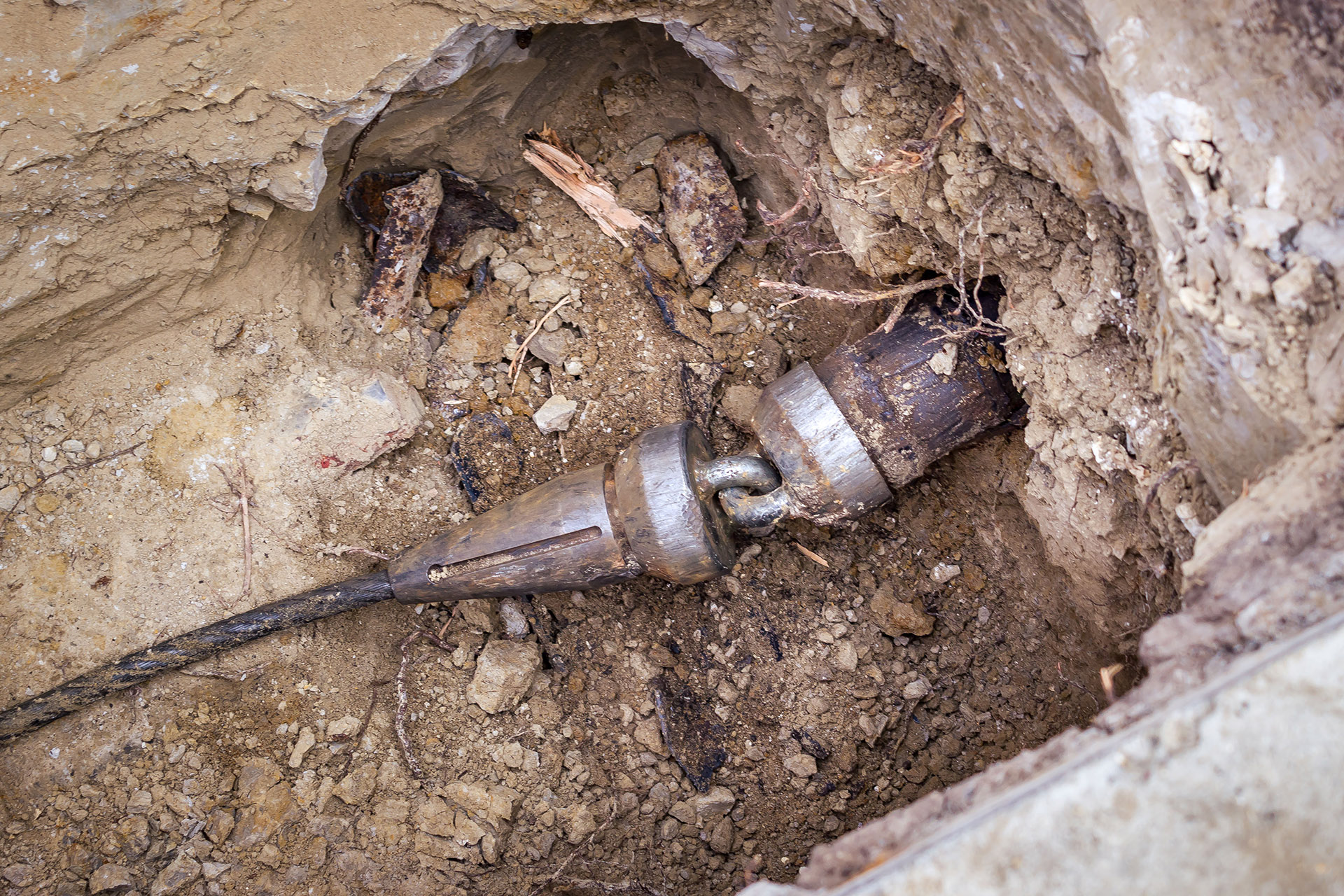
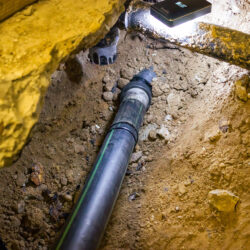
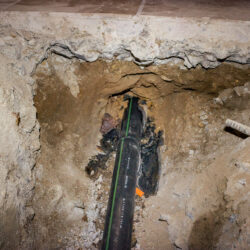
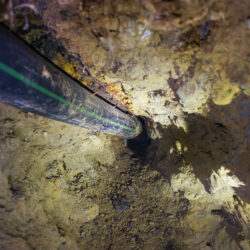
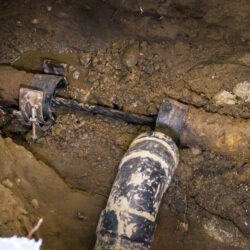
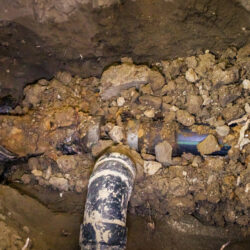
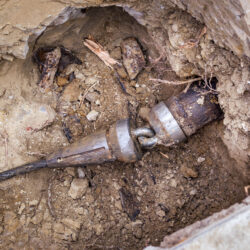
When a pipe is too far gone to be repaired from the inside, pipe bursting replaces it completely – still without a trench. A cone-shaped bursting head is pulled through the old pipe, breaking it apart while dragging a brand-new pipe into its place. Only two small access pits are needed, so your yard and driveway stay intact – and the new line will serve your home for decades.
Pipe Lining
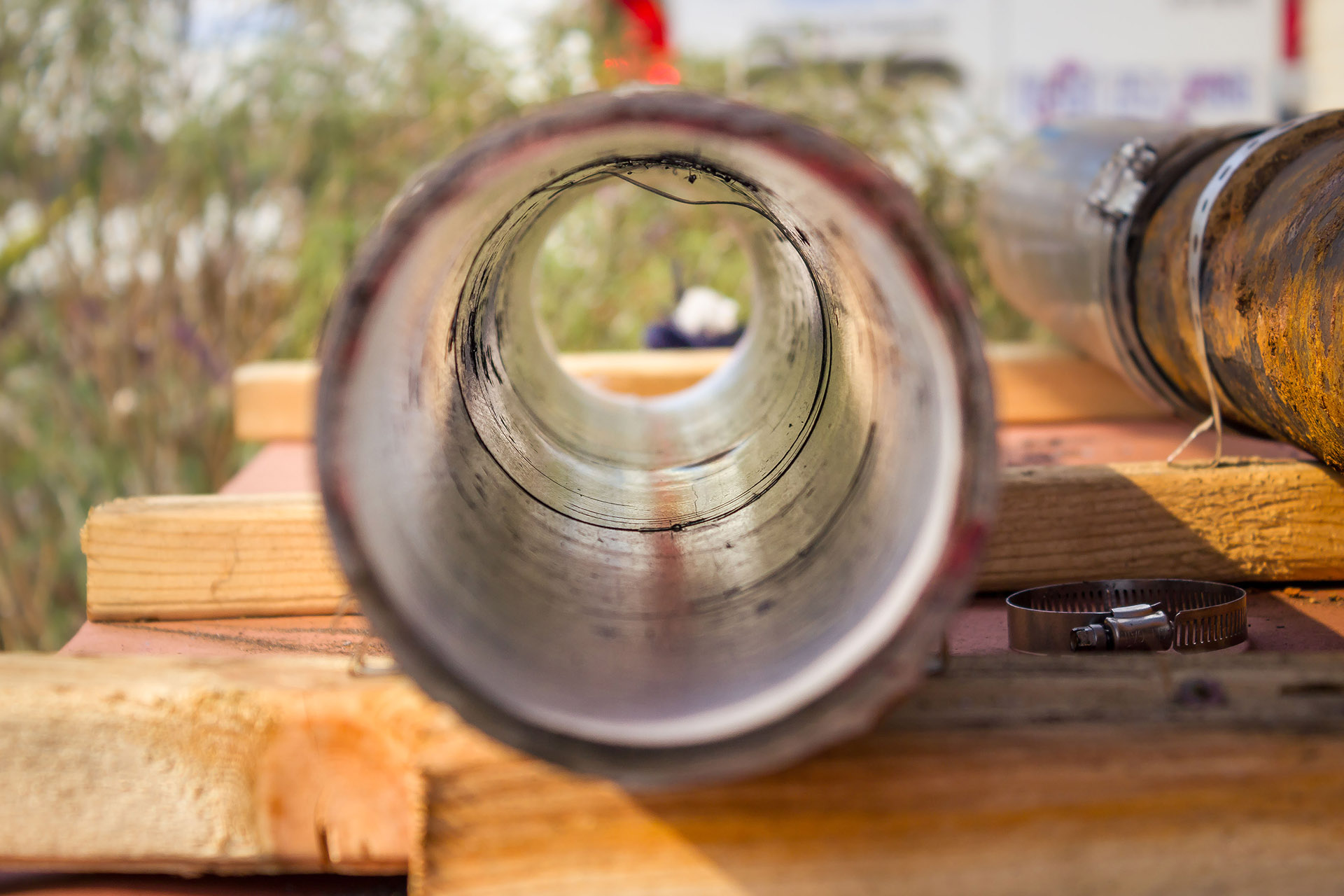
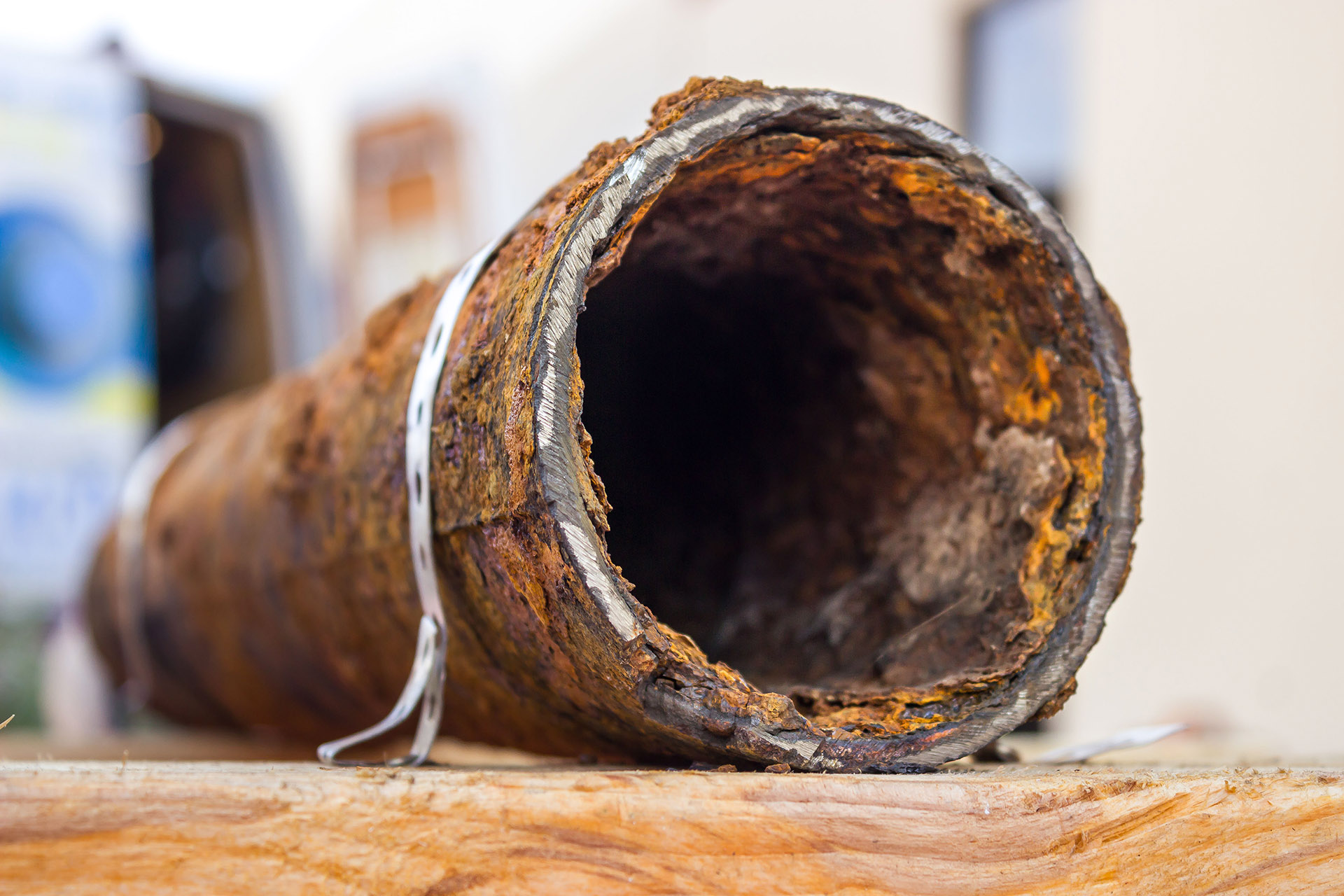
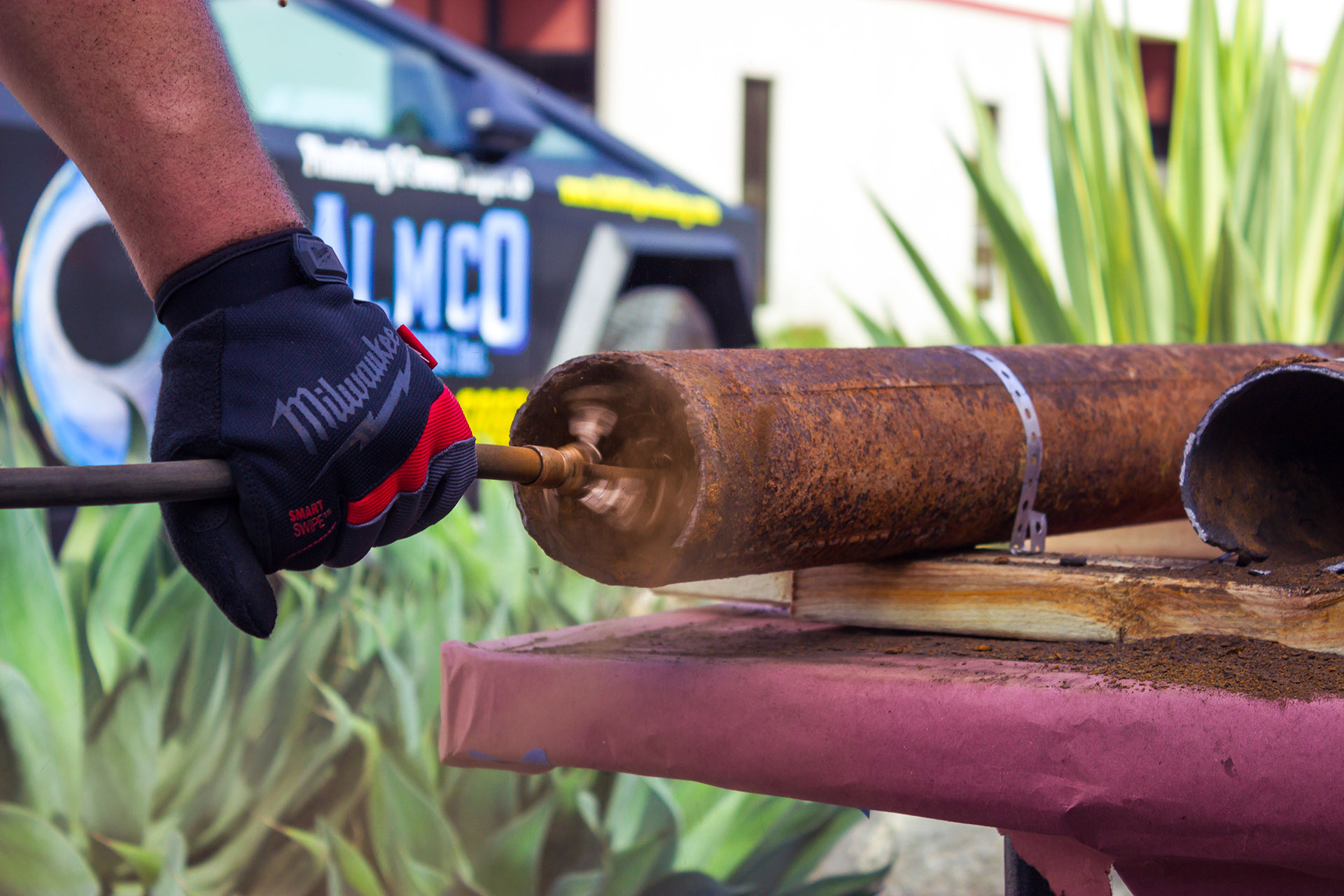
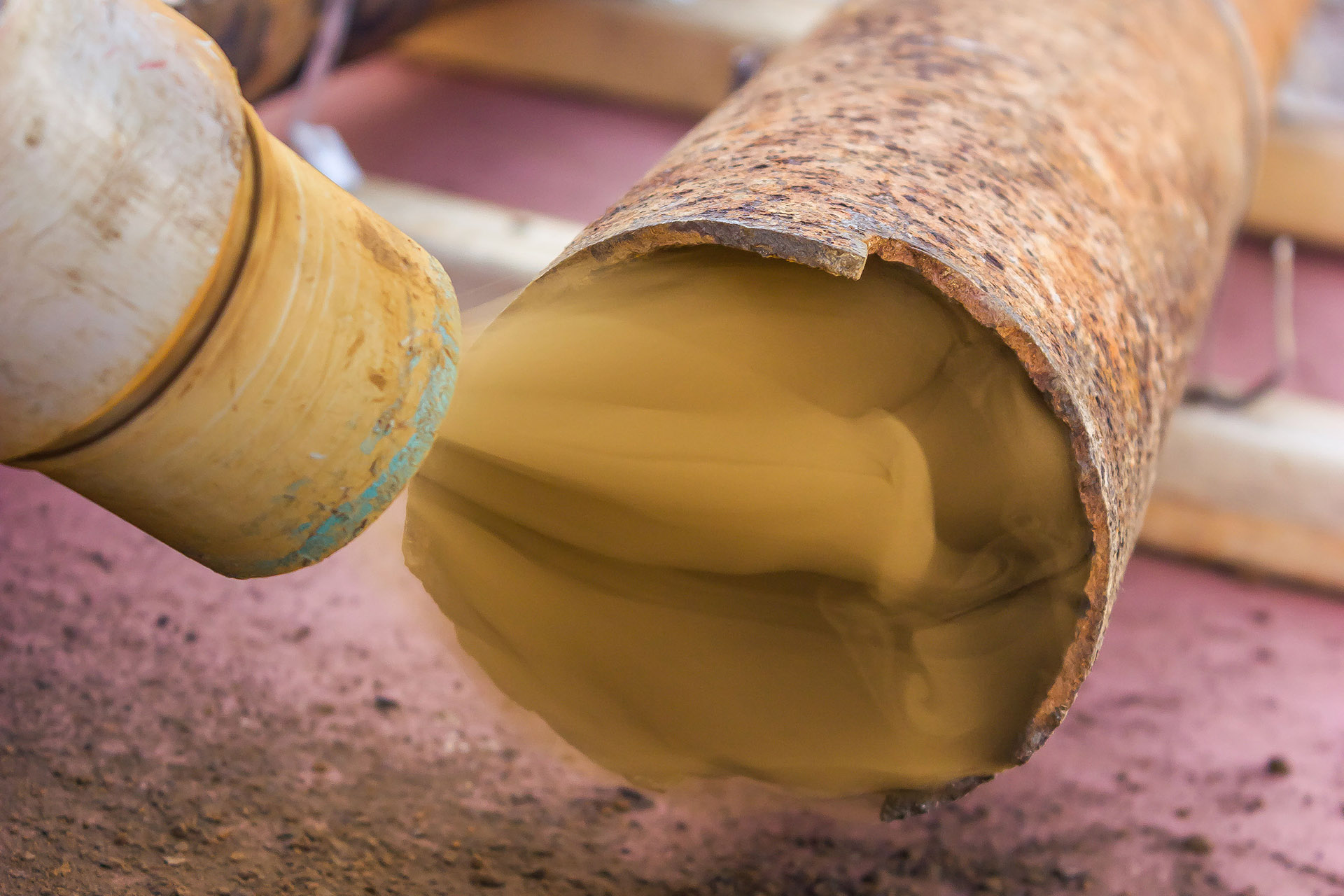
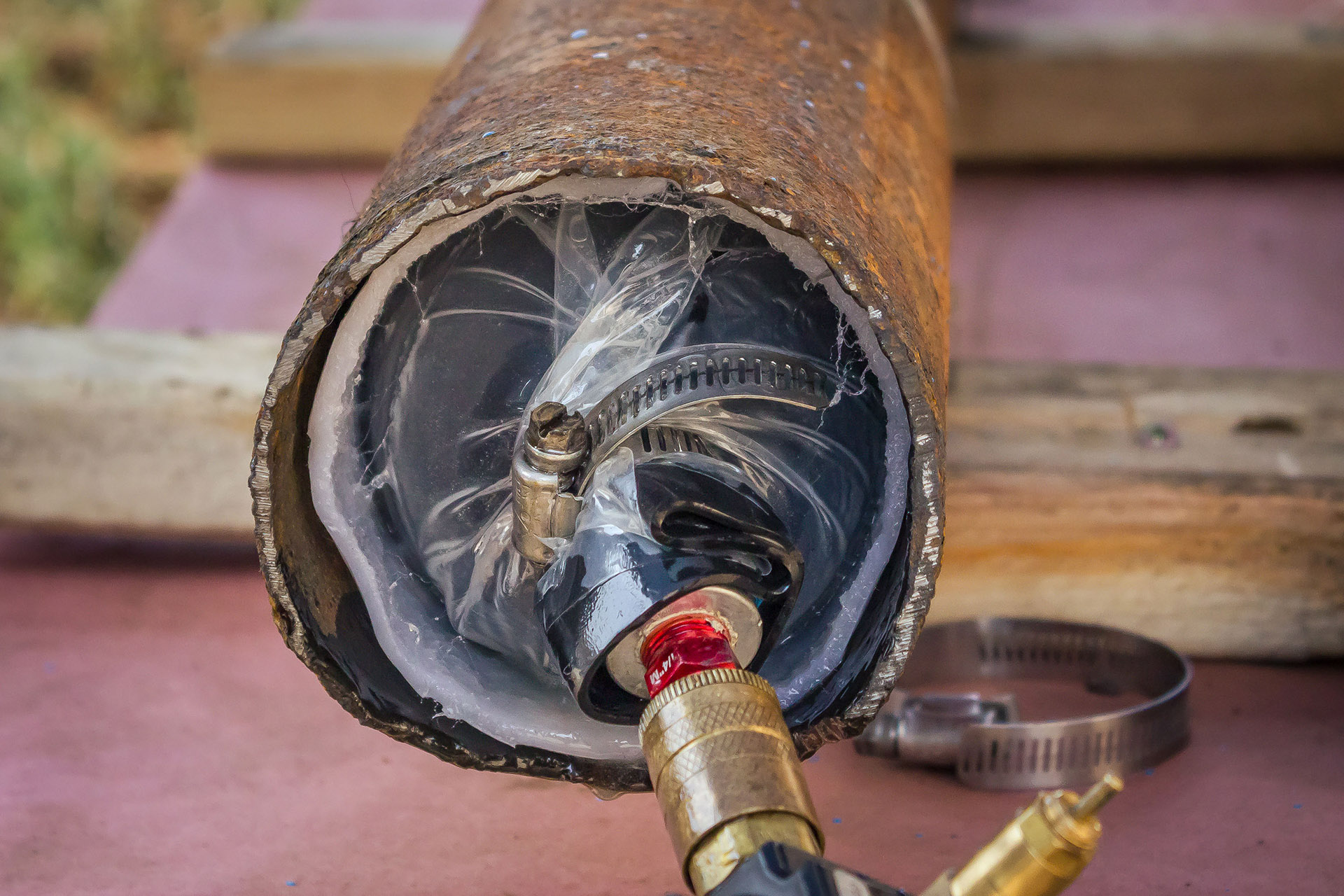
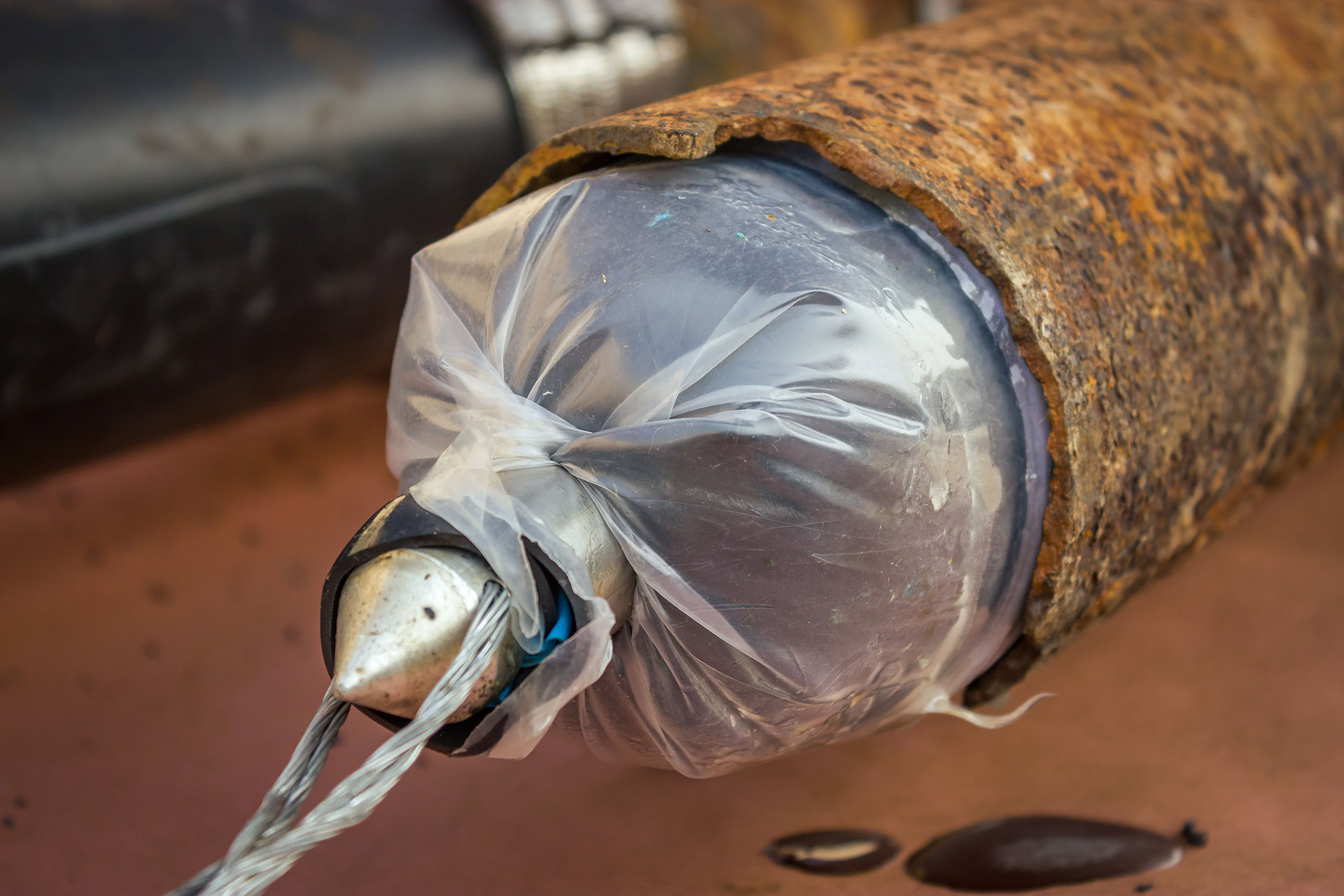
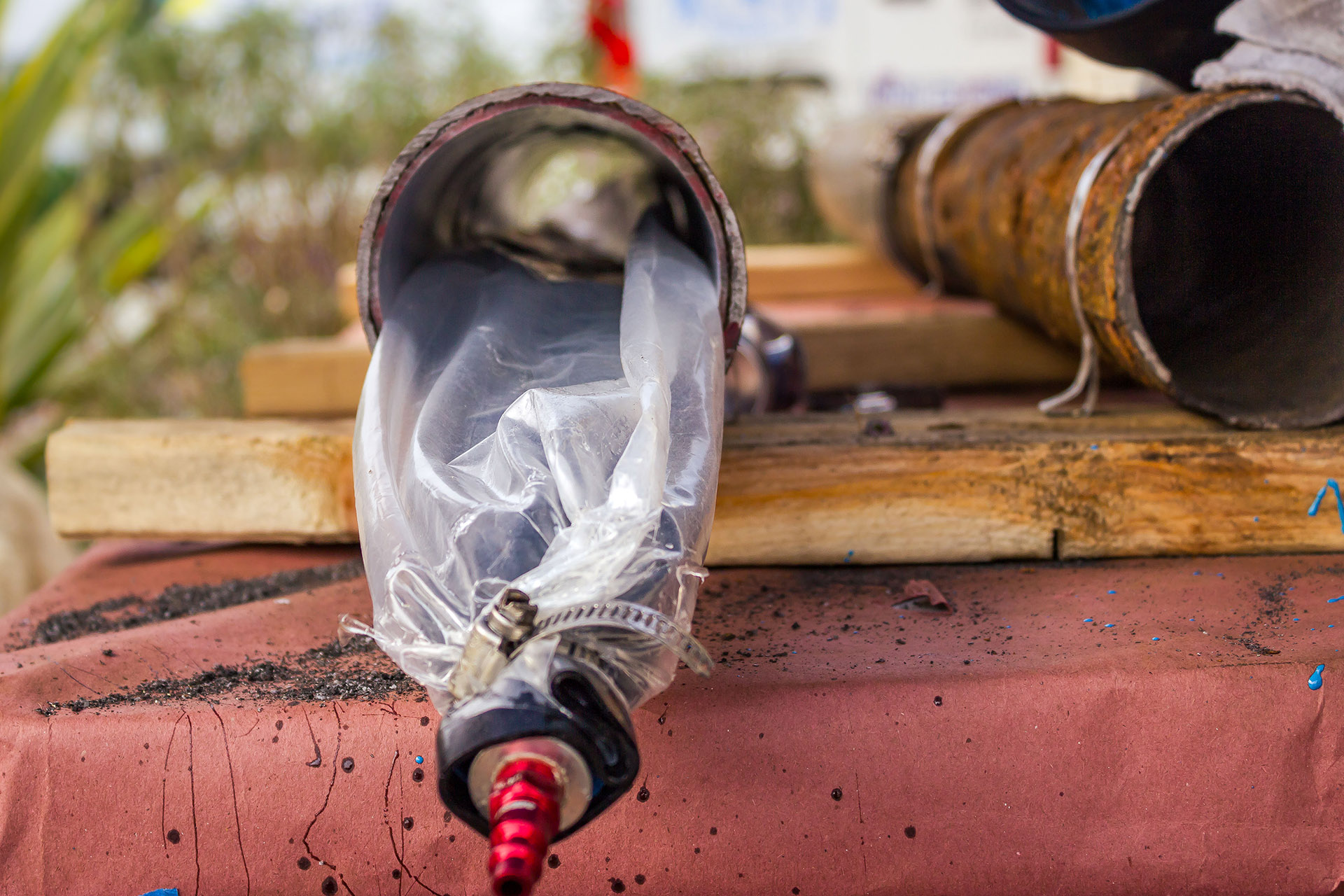
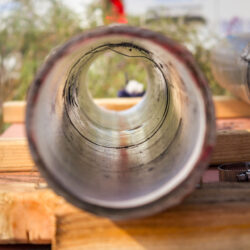
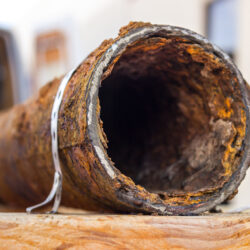
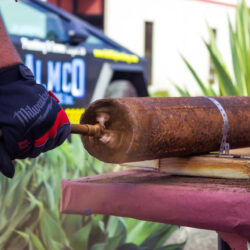
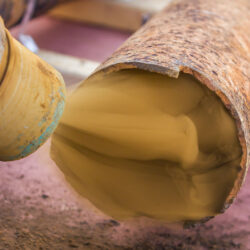
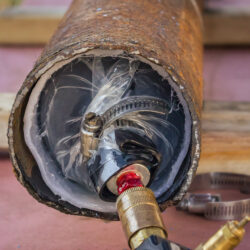
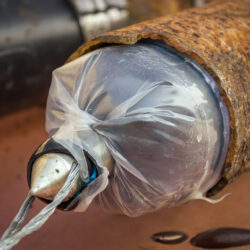
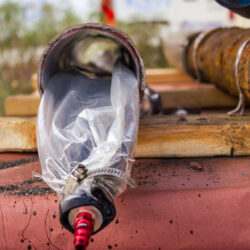
If the pipe is still holding its shape but has cracks or leaks, epoxy pipe lining repairs it from the inside. Technicians insert a flexible liner into the pipe and inflate it, pressing it tightly against the pipe walls over the damaged area. Once the liner hardens, you essentially get a new pipe inside the old one – smooth, sealed and root-proof.
Tree roots are one of the most common sewer killers in San Diego: they find the tiniest crack in a pipe, grow inside, and cause leaks and blockages. A professional plumber can hydro-jet the roots away – cut them out with a high-pressure water stream – and then seal the damaged section with trenchless spot repair, no digging required.
Sewer Line Repair & Replacement Step-by-Step
How long does it take? A complete sewer line replacement in a typical 2-3 bedroom, 2 bathroom single-story home takes Almco Plumbing 2 to 3 days, unless extra work or surprises come up.
- Day one is prep work: protecting the home, partial floor stripping where needed, and excavation of the access points.
- Day two is the main job – replacing or lining the sewer pipes under the home. By nightfall the system is reconnected and working, so your family can use the bathrooms and toilets as usual.
- Day three is cleanup: the opened floors are re-concreted (usually in the bathroom), construction debris is hauled away, and the excavated spots in the yard are tidied up.
The Benefits of Sewer Repair with Almco Plumbing
San Diego blends historic neighborhoods with brand-new construction, and the sewer lines under them are just as varied. Whatever is buried under your particular home, Almco Plumbing has the technology and the hands-on experience to handle it.
How Almco Plumbing Works
- Trenchless Technology. Gone are the days of digging up entire yards. Our trenchless repair and replacement techniques mean less mess, lower restoration costs and quicker results.
- Video Inspections. Before we recommend anything, we run a camera inspection through your lines and pinpoint the exact problem area – you see the issue with your own eyes before approving any work.
- Eco-Friendly Methods. Environmental responsibility matters in San Diego. Our techniques minimize soil disturbance, safeguarding both your property and our shared environment.
- Long-Lasting Results. A rehabilitated sewer line will serve for approximately 50 years without major repairs, provided the system is used properly.
- Prompt Service. A failing sewer line can’t wait, and we know it – count on rapid response times and efficient service.
- Transparent Pricing. No hidden fees or surprises. You get a precise estimate up front, so you know exactly what to expect.
We combine deep knowledge of San Diego plumbing with genuine care for every customer – more than two decades of experience, the latest trenchless technology and fair, flexible pricing.