
Slab leaks are among the most serious plumbing issues for San Diego homeowners. Because they happen underneath your foundation, these leaks often go unnoticed until they cause significant damage. If left unaddressed, they can lead to structural damage, mold growth, and skyrocketing water bills. This article explains the common causes, warning signs, repair options, and preventative steps you can take to protect your property.
What is a Slab Leak?
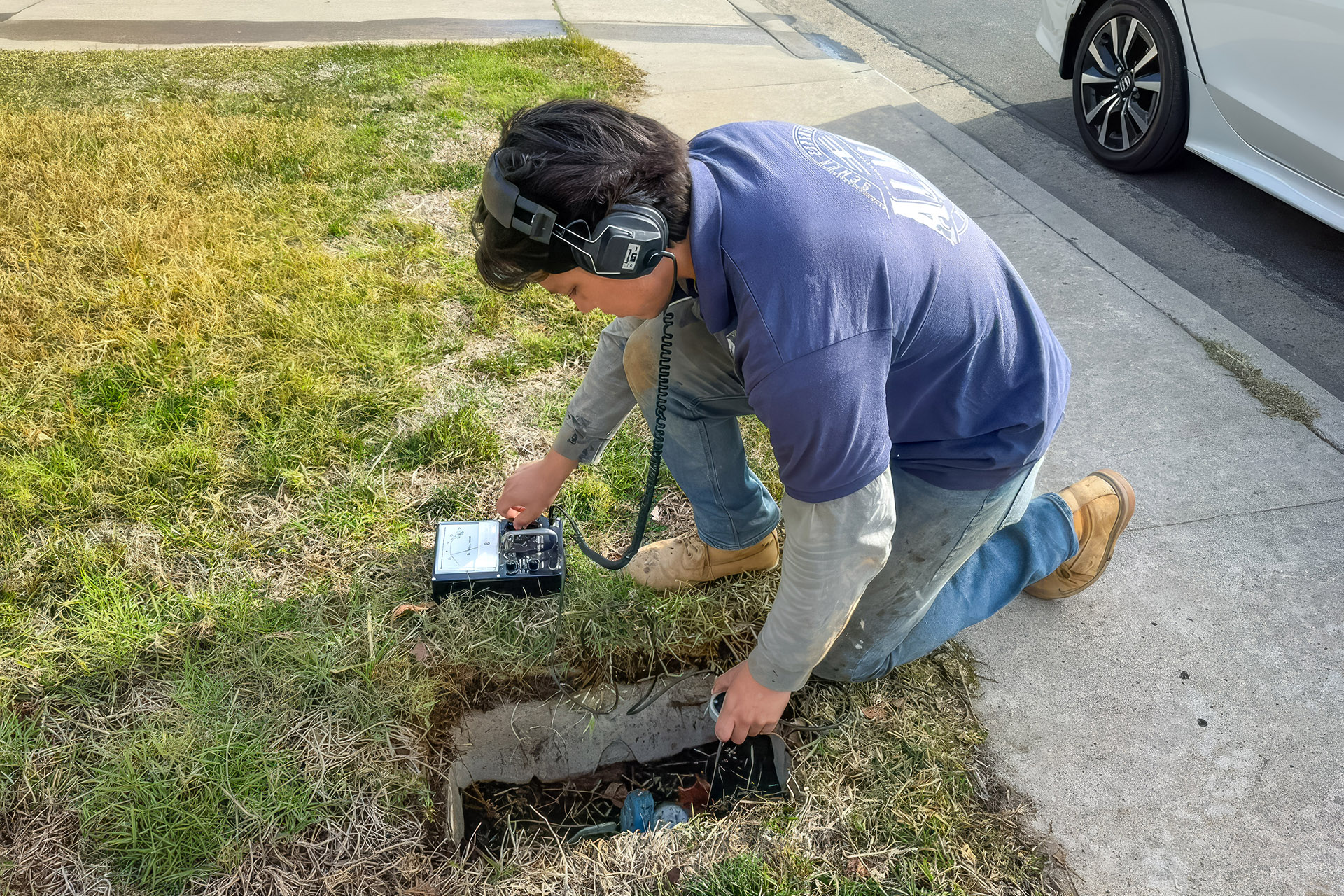
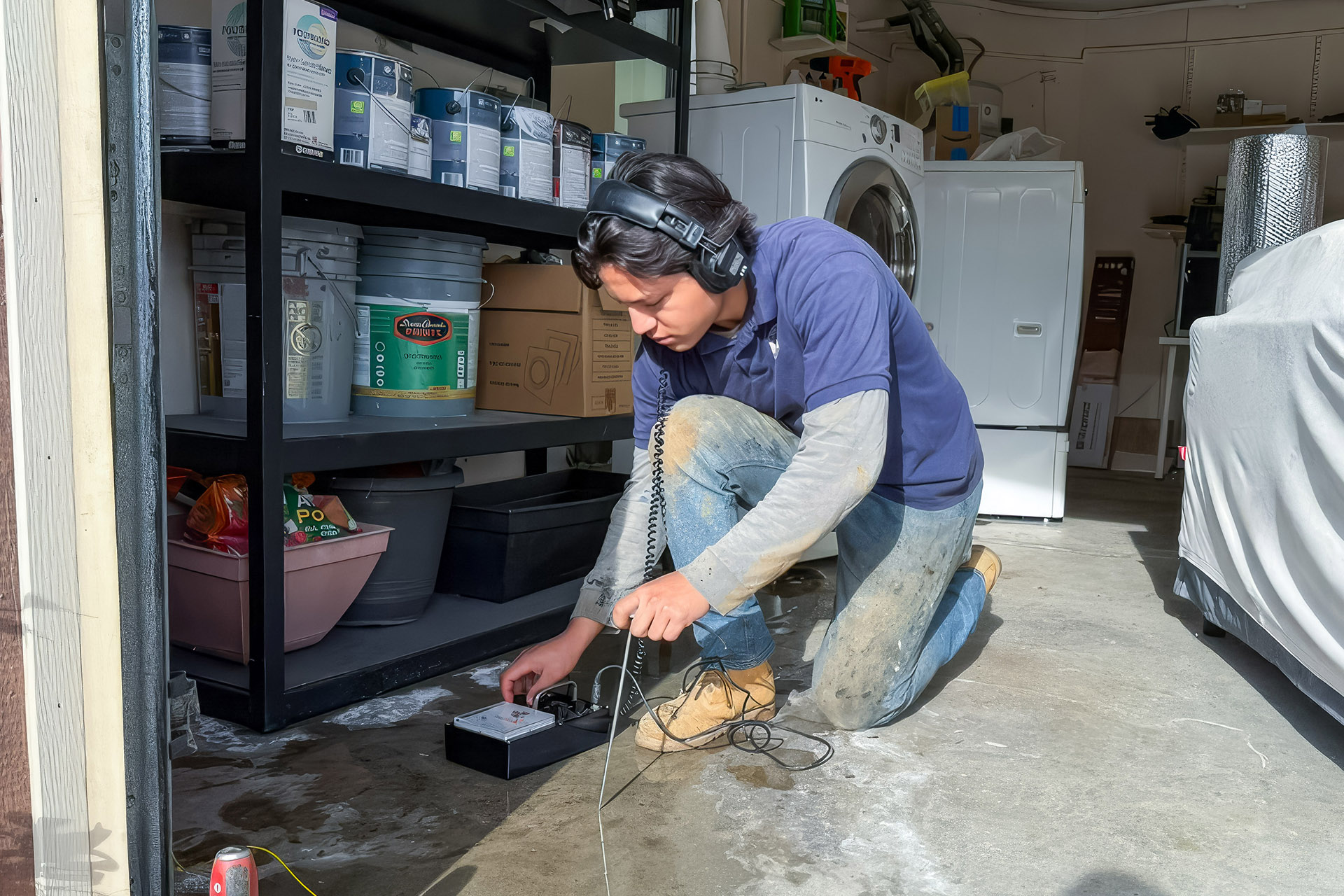
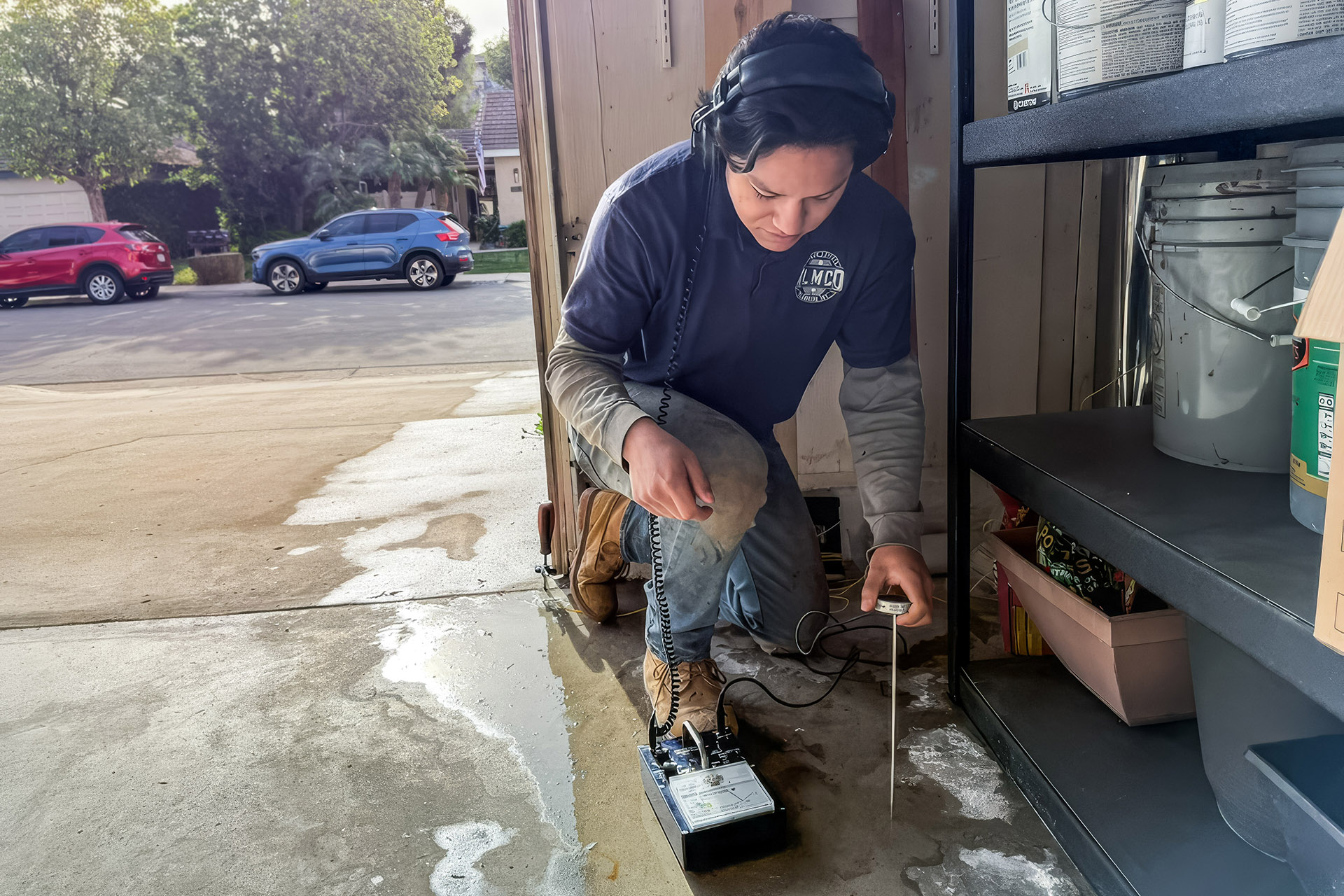
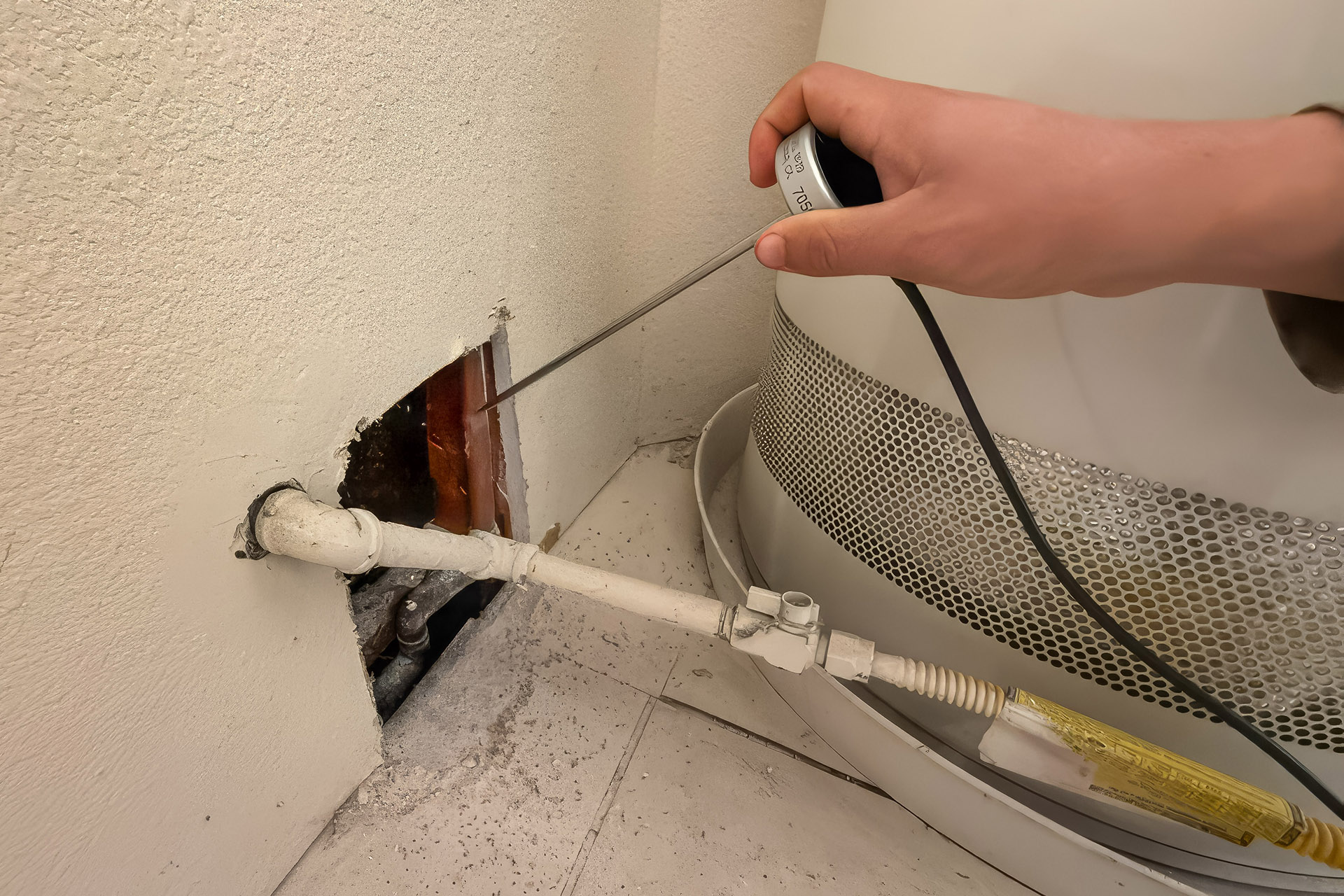
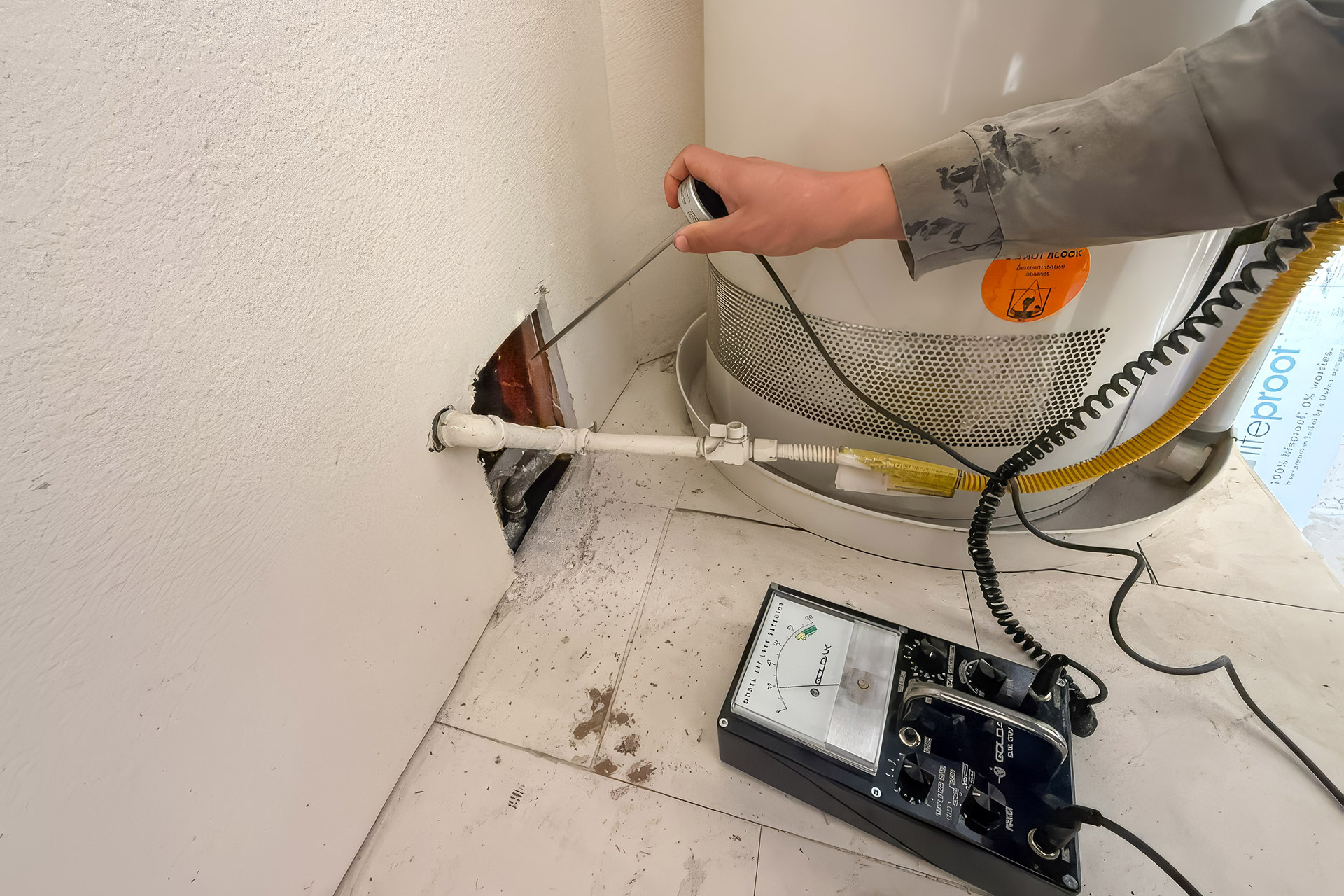
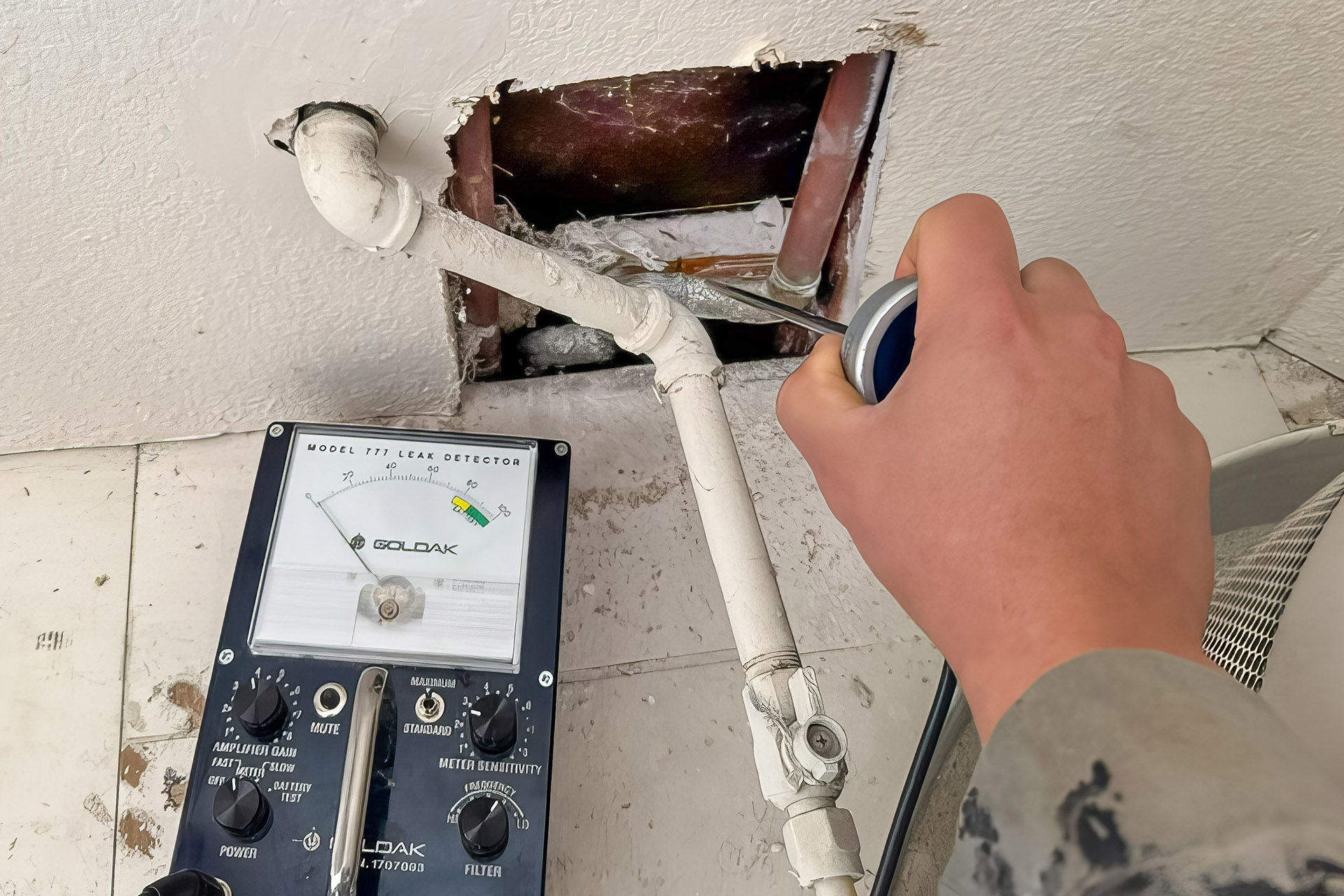
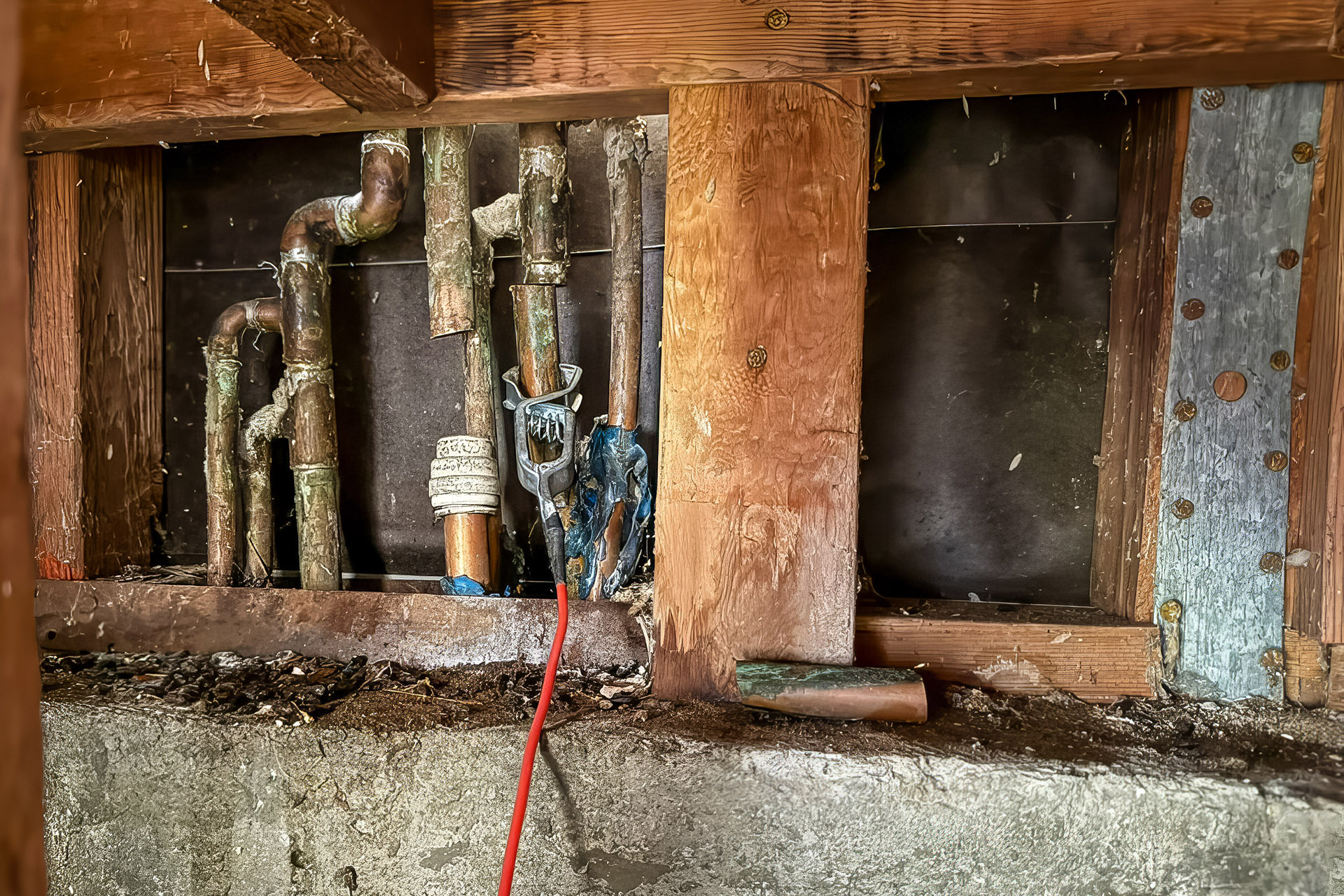
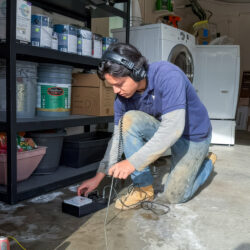
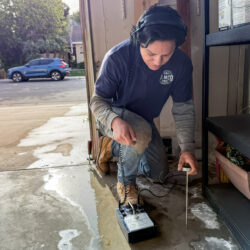
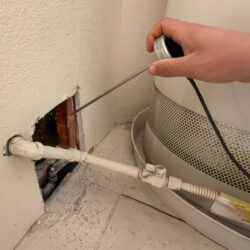
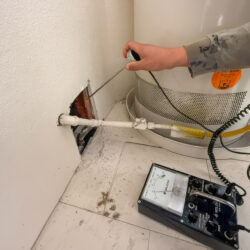
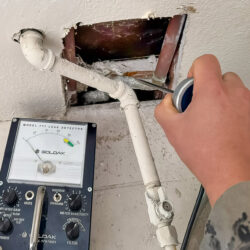
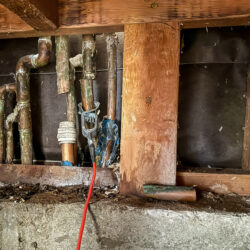
A slab leak refers to a water leak that occurs beneath the concrete foundation (“slab”) of a home or building. Such leaks typically originate from damaged water supply or drainage pipes embedded within or under the foundation. Because they’re hidden, these leaks often remain unnoticed until they cause structural damage or produce noticeable symptoms like increased water bills or damp flooring.
Slab leaks are serious issues that demand immediate attention. They can compromise your home’s structural integrity, encourage mold growth, and cause significantly increased water bills. Promptly addressing these leaks is essential to minimize damage and avoid costly repairs.
Common Signs of Slab Leaks
Detecting a slab leak early is crucial for preventing extensive damage. Here are the most common signs to watch for:
- Unexplained Increases in Water Bills: A sudden spike in your water bill without increased water usage often signals an undetected leak beneath your home.
- Damp or Warm Spots on the Floor: Wet, damp, or unusually warm floor spots may indicate a leaking pipe beneath the slab.
- Low Water Pressure: Reduced water pressure throughout your home may suggest a leak in the underground water supply line.
- Sound of Running Water: Hearing running water when all faucets and appliances are off is a common indicator of a hidden leak.
- Cracks in Walls or Floors: Leaks can cause soil erosion or shifting, resulting in visible cracks in walls, flooring, or the foundation itself.
- Mold or Mildew Growth: Excess moisture from slab leaks creates a perfect environment for mold and mildew, typically accompanied by musty odors.
- Pooling Water Around Your Foundation: Standing water or overly lush vegetation near your home’s base may indicate an underground pipe leak.
If you notice any of these signs, immediately contact a professional plumbing service in San Diego, such as Almco Plumbing, to assess and resolve the issue. Ignoring these symptoms can lead to severe structural damage and higher repair costs.
Causes of Slab Leaks
Understanding the root causes of slab leaks helps in diagnosing and effectively addressing the issue. The most common causes include:
- Pipe Corrosion: Over time, chemical reactions within the water can corrode pipes, particularly copper pipes in older homes. Corrosion weakens pipes and is often noticeable due to discolored water.
- High Water Pressure: Excessive water pressure stresses pipes, especially at joints and bends, eventually causing leaks or bursts. Indicators include sudden pipe failures or noisy plumbing.
- Poor Installation Practices: Improper plumbing installation, such as incorrect pipe alignment or using inferior materials, creates vulnerabilities in the plumbing system. Signs of poor installation often include frequent plumbing problems or recurring leaks.
- Aging Pipes: Over decades, pipes naturally deteriorate and become prone to cracks, pinholes, and joint failures. Symptoms include reduced water flow and visible moisture.
- Foundation Shifts: Natural settling or external factors like earthquakes can place stress on pipes, causing cracks and leaks. Indicators include visible cracks in walls or floors and uneven surfaces.
By recognizing these specific causes and their associated symptoms, homeowners can collaborate effectively with plumbing professionals to accurately diagnose and repair slab leaks, ensuring a durable plumbing solution.
Slab Leak Repair Methods
Selecting the right slab leak repair method is essential to effectively resolve the problem and prevent future damage. Modern techniques offer various solutions tailored to the leak’s location, severity, and cause.
Traditional Slab Leak Repair
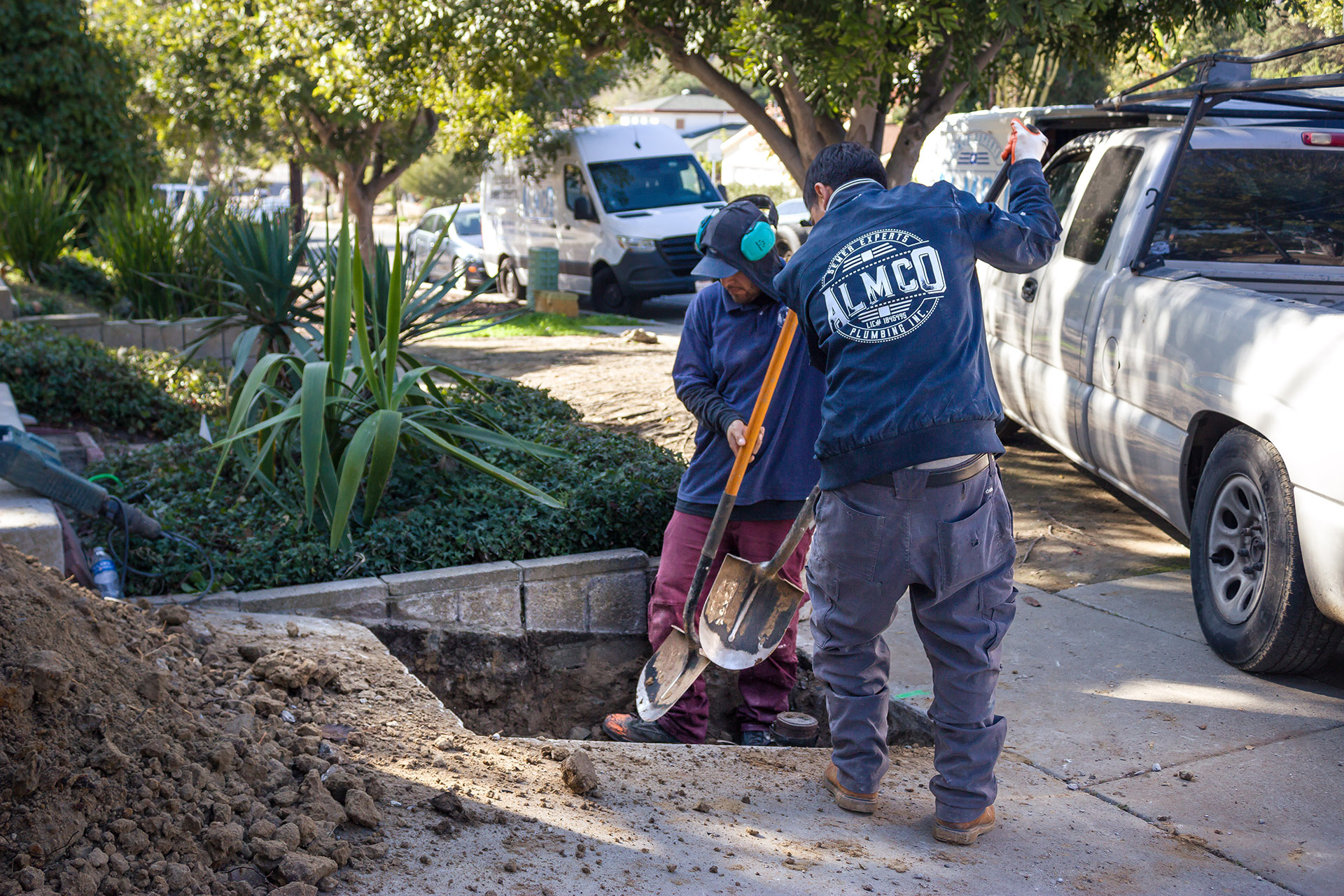
Traditional slab leak repair involves excavating
Traditional slab leak repair involves excavating through the concrete slab to access the leaking pipe. This method is typically used when the leak is isolated and needs immediate resolution.
Use traditional repair when:
- The leak is in a single, easily accessible location.
- Pipe damage is localized and repairable.
- Alternative methods are impractical due to pipe condition or location.
Although effective, traditional slab leak repair is invasive and time-consuming, making newer, minimally invasive techniques preferable in many situations.
Repiping for Slab Leaks
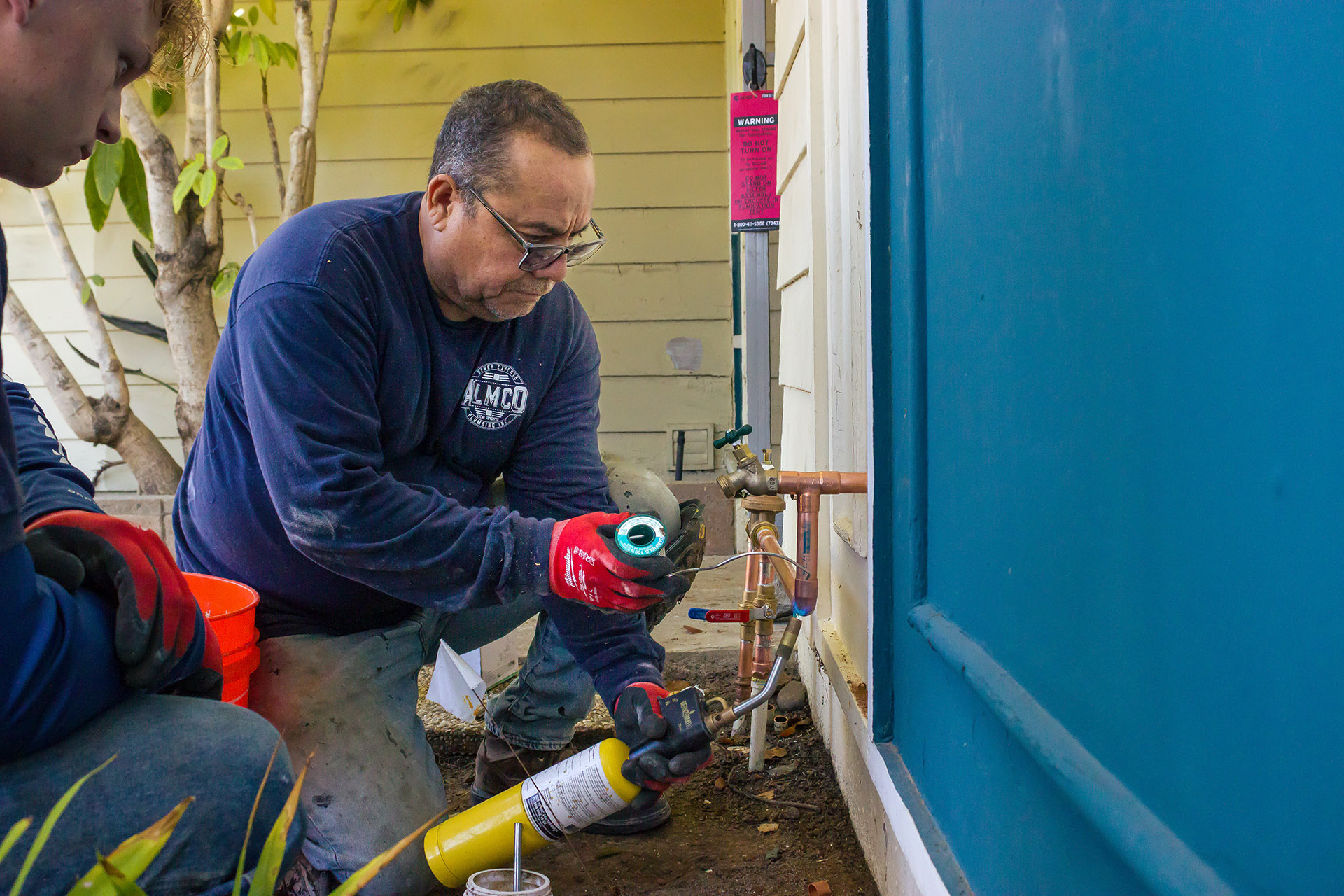
Repiping involves replacing entire sections
Repiping involves replacing entire sections of damaged or deteriorated piping under the slab. It’s typically recommended when there are widespread problems like severe corrosion or multiple leaks, which are not efficiently addressed by traditional methods.
Consider repiping when:
- Multiple leaks exist throughout the plumbing system.
- There have been recurring slab leaks within a short period.
- Existing pipes are significantly corroded or aged.
- Other repair methods are not cost-effective or viable.
Repiping offers a permanent solution and restores plumbing system reliability. Almco Plumbing’s experts are skilled in repiping techniques, providing quality and long-lasting solutions.
Repiping or Rerouting: Which Is Right for Your Slab Leak?
Homeowners facing slab leaks must choose between repiping and rerouting. Understanding each method helps make an informed decision.
Repiping: Replacing the entire plumbing system, ideal for extensive pipe deterioration or multiple leaks, offering long-term reliability but requiring significant investment.
Rerouting: Bypassing the damaged pipes by installing new pipes along a different path, usually above the slab. This method is less invasive, cost-effective, and suitable if the rest of your plumbing is in good condition.
Material Options
Choosing appropriate materials is critical to the durability and safety of your plumbing system. Common choices include:
- PEX A & PEX B: both are types of cross-linked polyethylene pipe. PEX A is known for its superior flexibility and kink resistance, making it easier to install around obstacles without additional fittings. PEX B, while slightly stiffer, offers excellent durability and is often more cost effective. Both types are resistant to corrosion and scale, which contributes to a longer service life.
- Copper Type M & Type L: Copper pipe is a traditional choice for plumbing because of its durability and reliability. Type M copper has thinner walls and is best used in residential applications where pressure is lower. Type L copper has thicker walls, offers greater durability, and is suitable for higher pressure applications. Both types can withstand high temperatures.
- Soft Copper: This form of copper tubing is flexible and can be bent around obstacles, reducing the need for fittings. It’s the go-to choice for applications where rigid tubing is impractical. However, soft copper is more vulnerable to physical impact and requires additional protection in certain installations.
Choosing between repiping and rerouting and selecting materials should consider the damage extent, existing plumbing condition, budget, and property plans. Professional consultation, such as with Almco Plumbing, is recommended.