

What Are No-Dig Trenchless Repair Options for San Diego Homes
When you’re a property owner in San Diego and you realize your sewer line is cracked, leaking, or failing, the first reaction is almost always pure panic. You immediately picture a nightmare scenario: heavy excavators tearing up your front lawn, smashing through the driveway, or jackhammering the bathroom floor. For a long time, traditional open-trench digging was really the only way to get the job done. You had to dig five or six feet down to reach the pipe, pull it out in pieces, and then spend thousands of dollars to fix the landscaping, concrete, or tile work you destroyed in the process. So, what’s changed?
Fortunately, modern plumbing technology has evolved, and trenchless sewer repair is a perfect example of that. It’s a game-changer because you can fix severe line damage without turning a property into a construction zone. But as with most methods, there are several signs you can notice to understand whether this one applies to your sewer system, even before calling plumbers. Or, if you do call, you will know what to ask.
A frequently asked question we hear constantly from clients across San Diego is: Can every single line be fixed this way? When is trenchless repair actually possible, and when does it reach its limits?
The short answer is that while trenchless methodology is an incredible innovation that often saves property owners from $10,000 to $60,000 in secondary restoration costs, it is still not a magical cure-all. Its feasibility depends entirely on the material composition, alignment, physical layout of your existing underground infrastructure, and its structural integrity, about which we will try to tell you here.
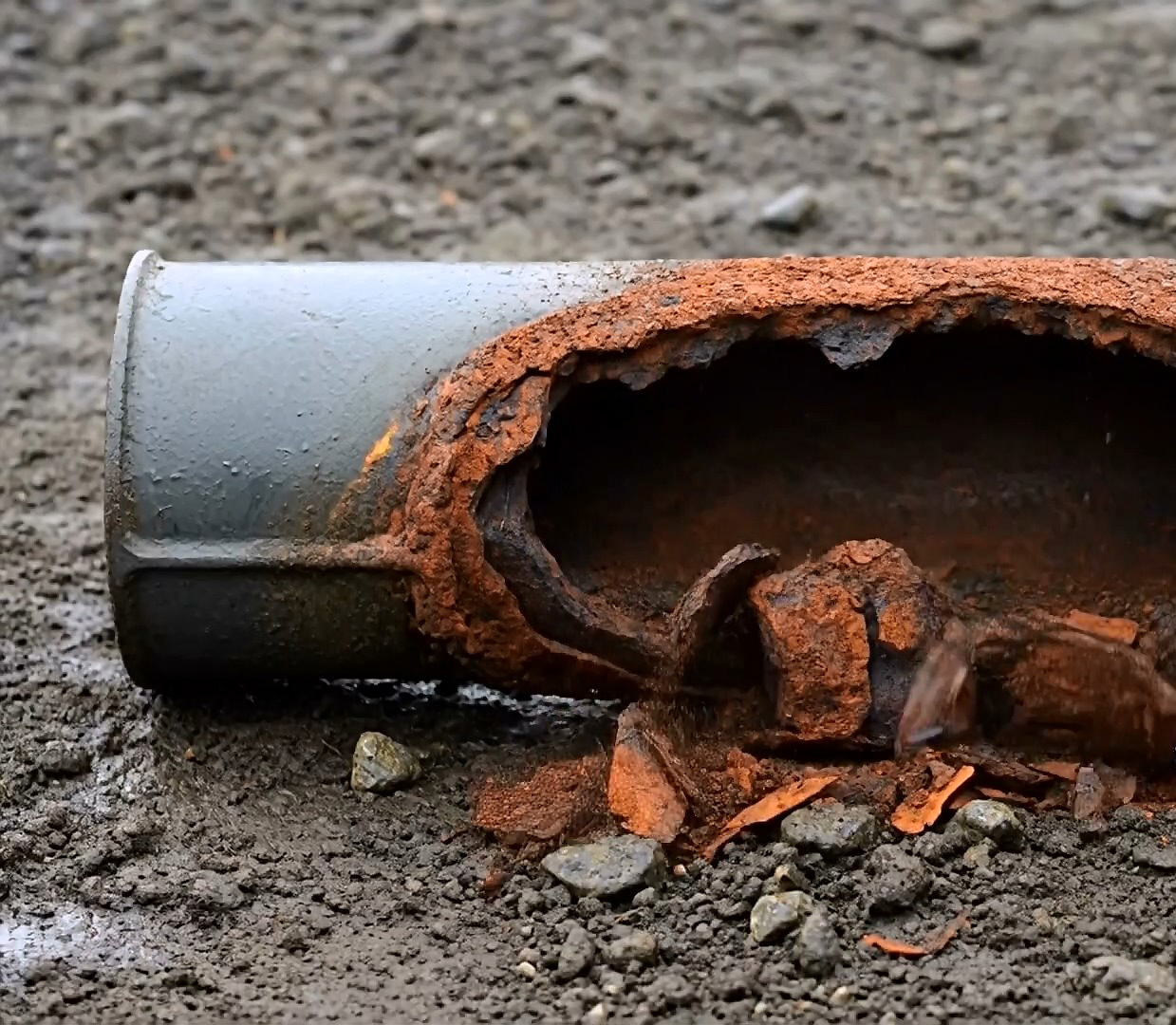
Impossible to Repair Trenchless
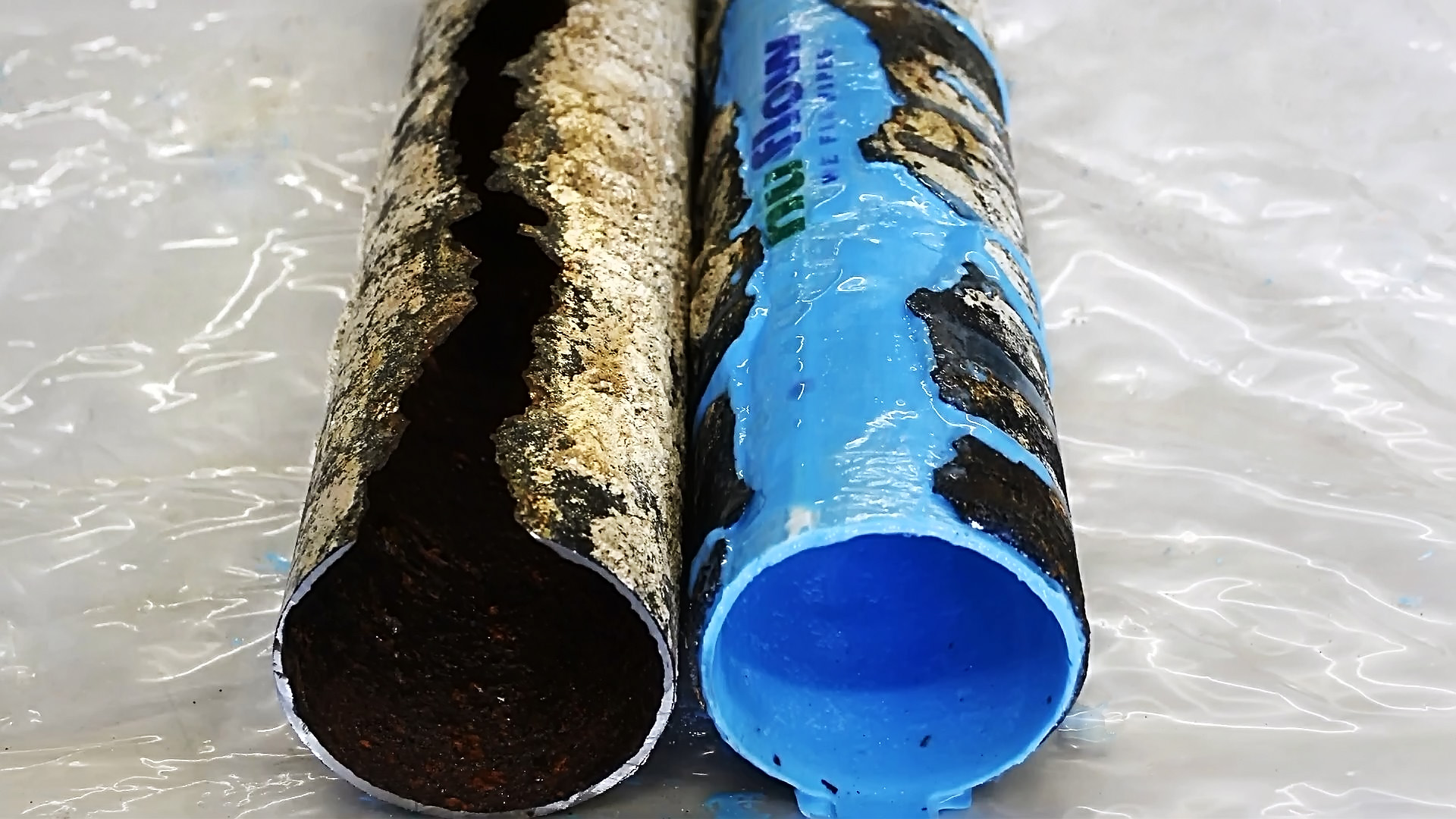
Possible to Repair Trenchless
Understanding the Two Main Trenchless Solutions
To understand when trenchless repair is a viable candidate for your home, we first have to look at what these technologies are designed to achieve. Instead of digging a continuous, open trench from your house to the city connection, trenchless contractors mostly rely on small, strategic access pits—usually just one or two holes measuring a few feet square.
- Trenchless Epoxy Pipe Lining (CIPP): If your pipe still holds its general underground alignment, shape, and structural grade, but it developed a few minor cracks, leaking joints, or heavy root intrusion, epoxy lining is usually the preferred route. Right after hydro-jetting and mechanical descaling, a flexible, epoxy-saturated structural liner is pulled or inverted into the host pipe and inflated. Once cured, it forms a brand-new, seamless, root-proof “pipe-within-a-pipe” that seals all internal leaks.
- Pipe Bursting: When a pipe is structurally compromised, collapsed, or made of outdated, brittle, unstable materials that can no longer support a liner, then pipe bursting is preferable. During this process, a heavy-duty steel cable pulls a cone-shaped bursting head through the old line. The head aggressively fragments the old, failing pipe outward into the surrounding soil while simultaneously dragging a seamless, high-density polyethylene (HDPE) replacement pipe right into its footprint.
When can trenchless repair really solve the problem?
Under normal circumstances, most residential sewer issues qualify for trenchless repair. You are a prime candidate for our no-dig solution if your plumbing meets the following criteria:
1. The Pipe Retains Its Basic Structural Bore: Even if a pipe is cracked, leaking wastewater into the soil, or riddled with tree roots, as long as the structural walls are still standing and the pipe hasn’t completely imploded, a lining tool or a bursting cable likely can pass through it.
2. Root Intrusion and Joint Separation: San Diego’s warm climate and mature neighborhood trees mean root infiltration is an everyday battle. Roots squeeze through tiny joint gaps, expand over time, and crack the pipe. Because the overall alignment of the run is usually intact, these lines are exceptionally well-suited for trenchless spot repairs or full-run lining.
3. Desire to Protect Hardscaping and Interiors: If your sewer line runs directly underneath a newly paved driveway, custom concrete patio, mature garden, or finished indoor flooring, trenchless repair is often the only right economic choice. Digging an open trench through high-value home improvements can easily double or triple the total project cost due to secondary property restoration.
When Is Trenchless Repair NOT Possible?
As much as professional plumbers do prefer to save yards and driveways, sadly certain physical conditions make trenchless rehabilitation impossible, necessitating traditional open-trench excavation:
-
- Badly Damaged Pipes: If a section of the pipeline has completely caved in, flattened, or fragmented into a pile of rubble underground, a lining bladder or bursting head cannot physically push or pull through the blockage. If the obstruction blocks the path, you may need to excavate and replace that specific ruined segment. When pipes are severely collapsed, spray epoxy may not restore structural integrity.
- Severe Offsets or Pipe Bellies (Sagging): If ground shifting, seismic activity, or poor original compaction has caused a section of the pipe to sag downward and create a “belly” where water pools (usually can be noticed visually) or shift drastically out of alignment at the joints, trenchless methods will fail. Relining or bursting a sagging pipe won’t actually solve the issue. Because the pipe still dips, wastewater will keep pooling and clogging up—there’s simply nowhere for it to flow. You must dig up such a pipe and re-pitch it with proper grade.
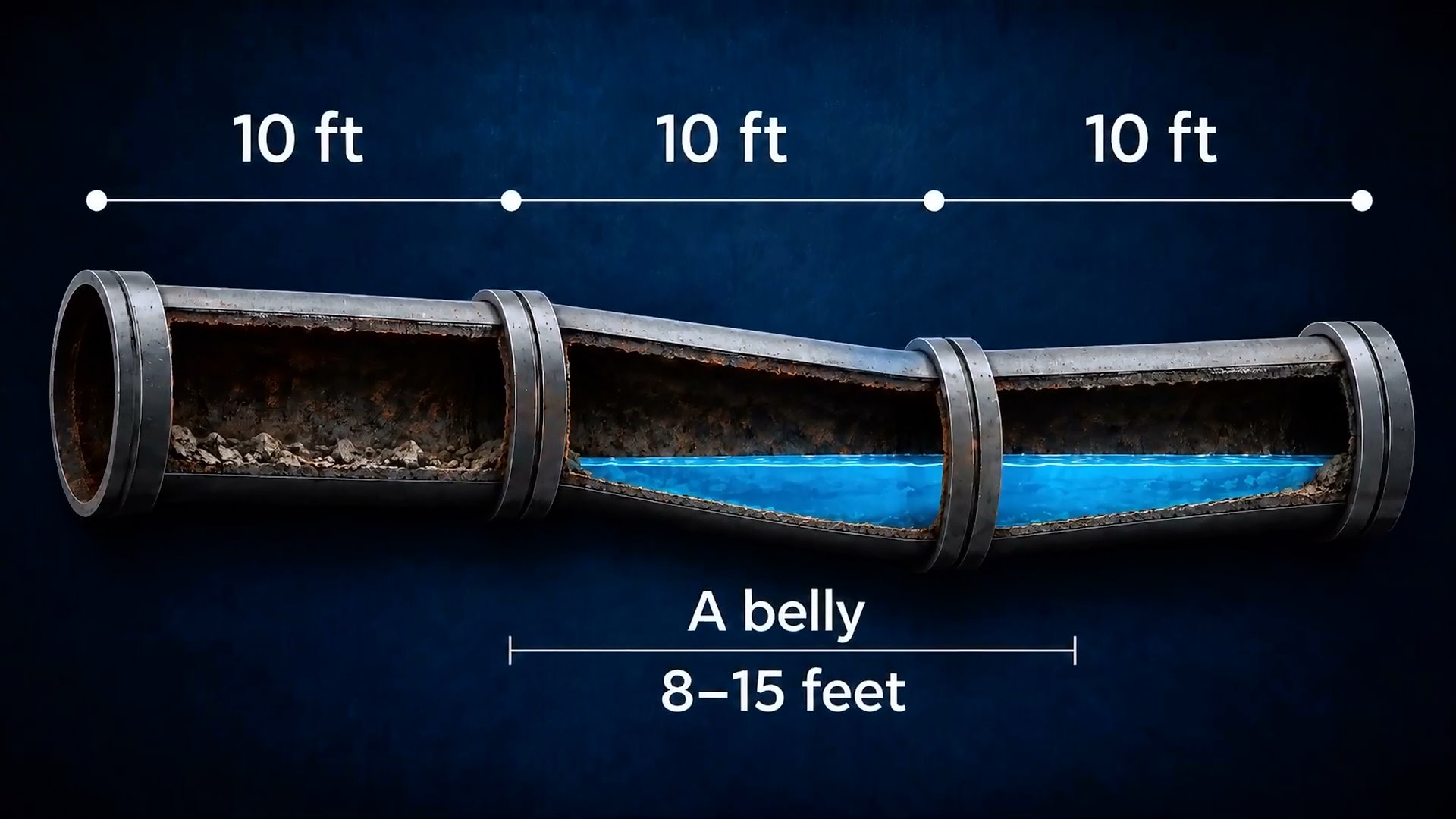
- Collapsed Material Transitions or Extreme Undersizing: Occasionally, older homes feature erratic transitions between incompatible pipe materials and diameters that prevent pulling equipment through safely without risking getting stuck underground.
Conclusion
Trenchless repair has become a game-changer for plumbing, offering San Diego homeowners a reliable way to fix damaged pipes without tearing up their yards, driveways, or concrete foundations. Like most approaches, however, it’s not a fix-all solution for every catastrophic failure, like a total structural collapse or severe sagging—but still, it’s a highly efficient fix for most common residential issues, whether you’re dealing with cracks, leaks, or root intrusions.
The Crucial Diagnostic Step: Camera Inspection
Because your entire sewer system is buried deep underground, guesswork is an easy recipe for expensive mistakes. The only definitive way to answer whether your home qualifies for a clean, non-invasive trenchless repair is through a professional sewer camera inspection.
During this process, a high-definition, waterproof pan-and-tilt camera is pushed through your cleanout directly into the main line. It transmits real-time video footage to a monitor, allowing our technicians to evaluate internal corrosion, spot root entry points, locate exact structural failures, and measure depth. When you see the inside of your pipes for yourself, with your own eyes, you can be sure the repair you’re approving addresses the root cause instead of just patching over a deeper structural defect.
Schedule a professional camera inspection by Almco Plumbing for an honest look at what’s going on. We always customise solutions to fit your specific needs, so our team will help you find the safest, most budget-friendly way to get things fixed. If you want the job to be done right, without any subcontractors, call us at (858) 544-6331.
Get 5% Off
Schedule Your Plumbing Service & Get 5% Off!
Answer these questions to help us understand what you need, and enjoy 5% off when you book online!