
Trenchless sewer technologies are state-of-the-art solutions for replacing or repairing underground sewer lines without the need for extensive excavation. These methods—including pipe bursting, cured-in-place pipe (CIPP) lining, and spray epoxy lining—offer an efficient and minimally invasive alternative to traditional sewer repairs.
 Spray Epoxy Pipe Lining
Coats the inside of aging or damaged pipes with epoxy resin, sealing cracks and reinforcing structure
 CIPP Pull-in-Place
A no-dig solution where a resin-saturated liner is inserted into the damaged pipe and cured in place
 CIPP Inversion
The non-invasive installation of a flexible, resin-soaked liner inside a damaged pipe creates a strong, seamless new one

In San Diego County, where urban development intersects with natural landscapes, trenchless repair technologies are increasingly popular for residential and commercial sewer system maintenance. This article explores the key trenchless methods, their benefits, and typical pricing in the San Diego area.
What Are Sewer Trenchless Technologies?
Trenchless sewer technologies are advanced techniques for repairing, replacing, or installing underground sewer pipes without major excavation. Unlike traditional methods that require digging trenches, trenchless solutions use specialized equipment to minimize disruption to landscaping, driveways, sidewalks, and roads.
These technologies are designed to extend the life of sewer systems while reducing costs, labor, and environmental impact—especially valuable in urban areas like San Diego.
Almco offers the following trenchless sewer repair methods.
Spray Epoxy Pipe Lining
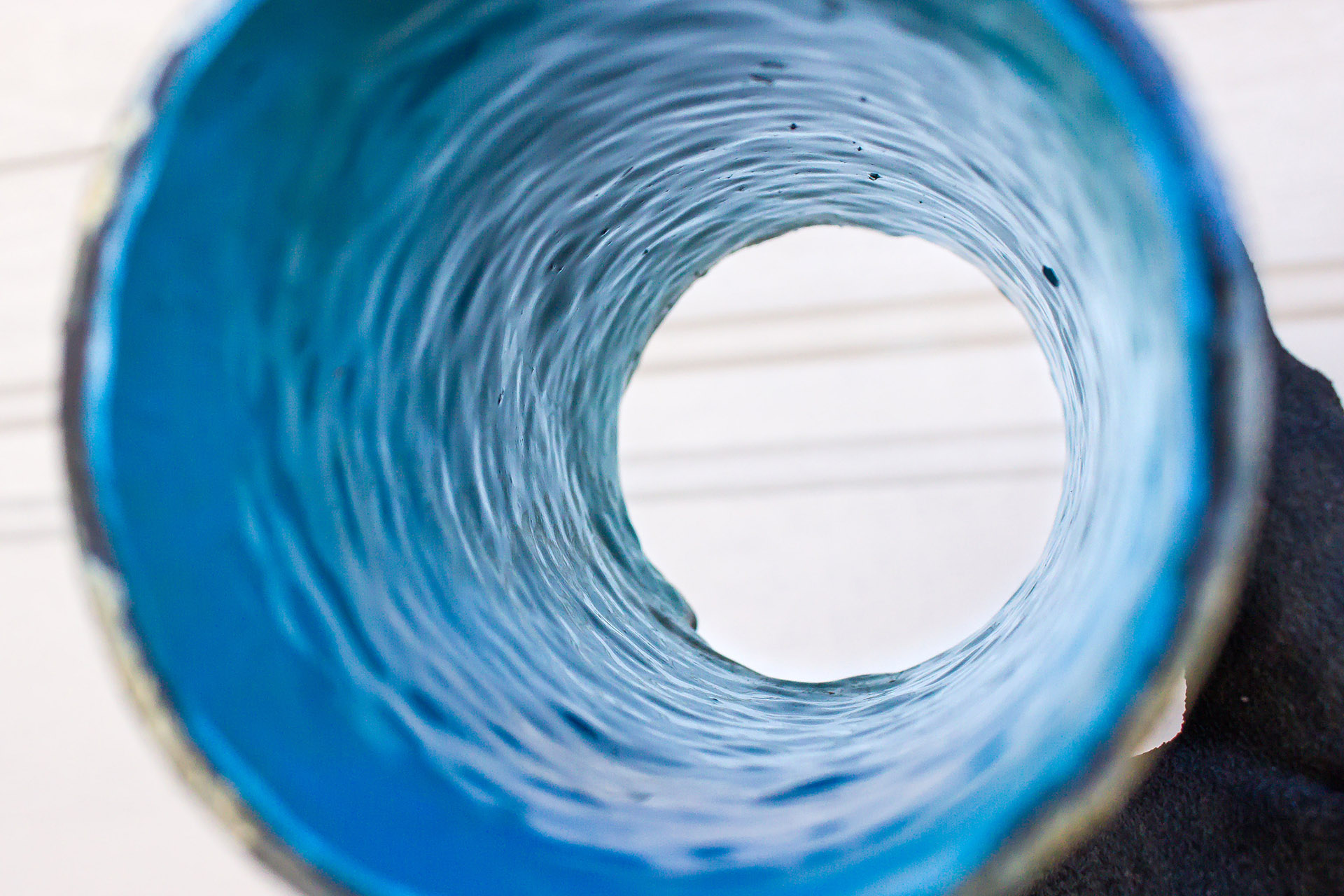
Spray Epoxy Pipe Lining
Spray epoxy pipe lining restores aging or damaged sewer and drain pipes by applying a uniform epoxy coating to the interior surface, creating a seamless, corrosion-resistant barrier.
The process eliminates the need for excavation and restores pipe integrity by sealing cracks and preventing future leaks or root intrusion, while also improving flow efficiency. This method is especially valuable in residential and commercial settings in San Diego, where traditional digging would be disruptive to landscaping and paved surfaces.
Spray-applied epoxy is effective for many repair scenarios but is not structural and is best suited for pipes in fair condition. For applications requiring greater reinforcement, such as severely deteriorated cast iron, CIPP or pipe bursting may provide more reliable longevity.
Cured-In-Place Pipe (CIPP) Lining
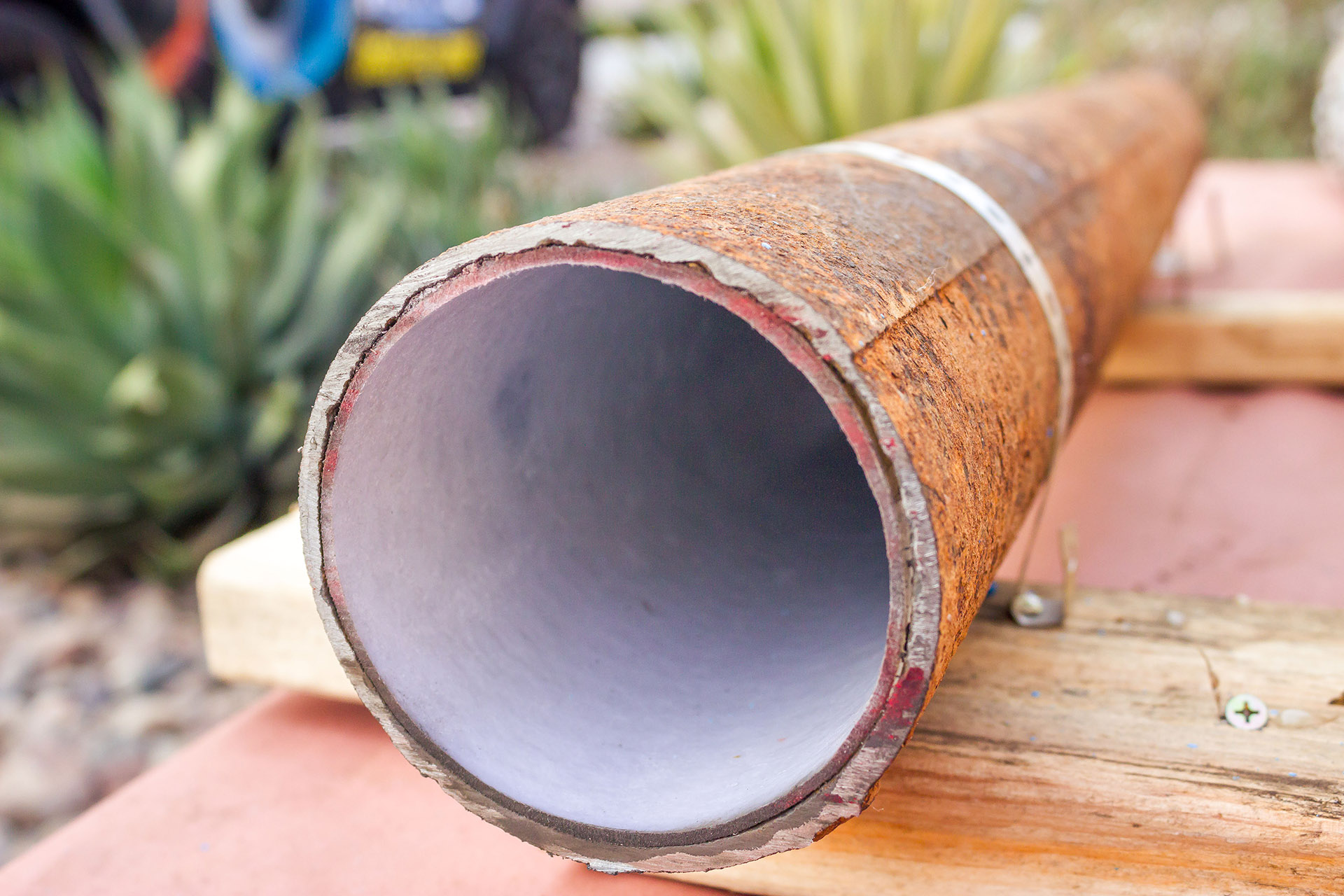
Cured-In-Place Pipe (CIPP) Lining
CIPP (Cured-in-Place Pipe) is a trenchless “pipe-within-a-pipe” repair method that rehabilitates damaged sewer, storm, or water lines without excavation. After inspecting and cleaning the existing pipe, a flexible liner saturated with epoxy or polyester resin is inserted and cured in place via steam, hot water, or UV light to form a seamless, corrosion-resistant new pipe inside the old one.
This process applies to a wide range of pipe materials, including clay and cast iron, and it avoids major disruptions to landscaping or hardscapes. CIPP is fast, often completed in hours, and cost-effective, at 40–60% less than open-cut replacement. It provides a durable repair that often lasts 50+ years with resistance to leaks.
Pipe Bursting
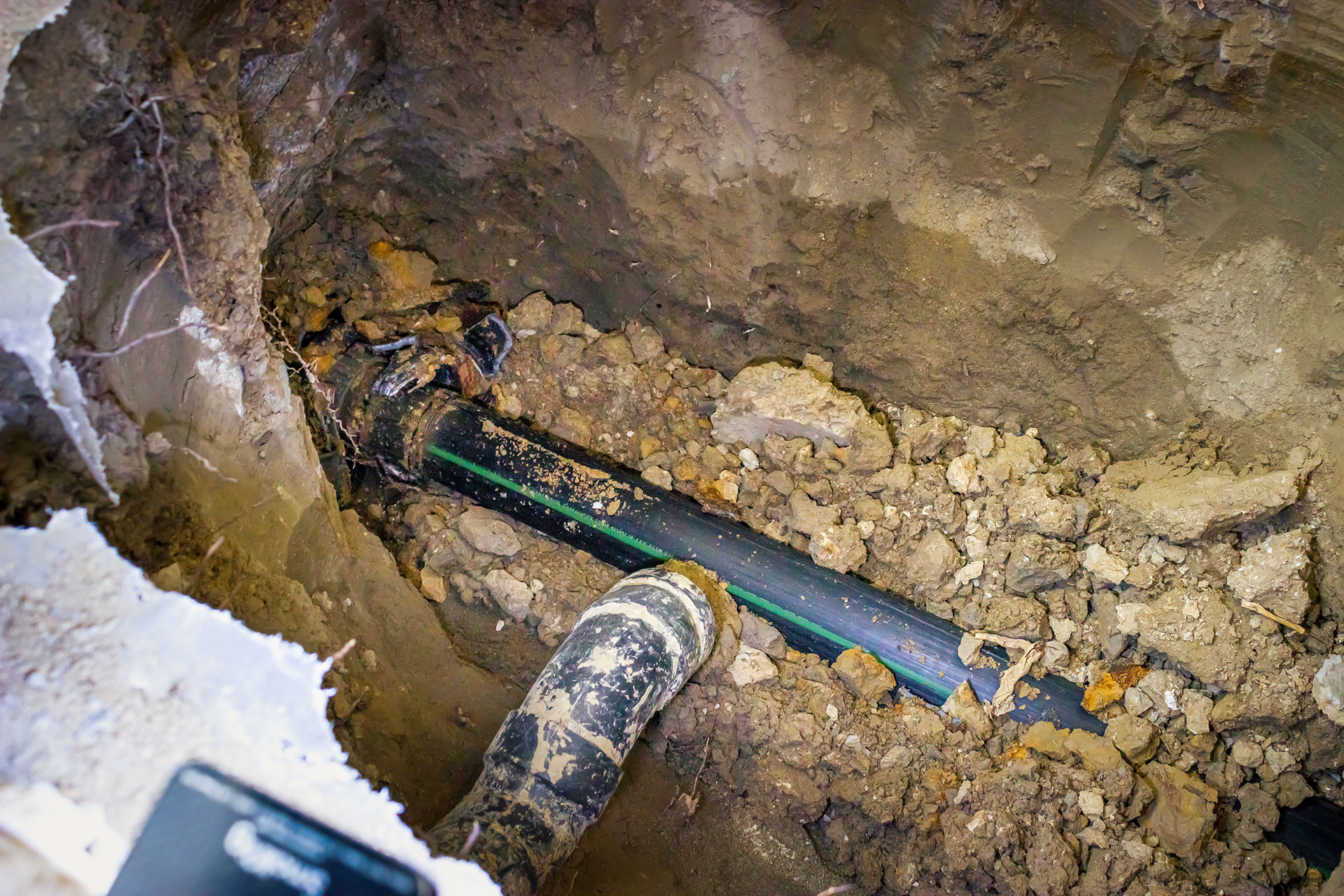
Pipe Bursting
Pipe bursting is a trenchless replacement method that fractures deteriorated sewer lines and pulls a new HDPE pipe into place simultaneously. This method requires only two small access pits and no full-length excavation.
This high-speed solution is ideal for cracked, collapsed, or cast-iron pipes beyond repair. It preserves landscaping, speeds up completion (often within a couple of days), and reduces restoration costs. HDPE pipe is seamless and resistant to root intrusion and corrosion. It is engineered for long-term durability and typically lasts 50+ years.
Using these trenchless technologies, San Diego homeowners, businesses and municipalities can upgrade and repair sewer systems with minimal disruption, ensuring reliable wastewater management for years to come.
When to Use Trenchless Sewer Technologies
Trenchless sewer technologies are ideal for situations where traditional excavation would be too disruptive, costly, or time-consuming. These methods are designed to solve a variety of sewer problems while preserving landscapes, roadways, and property structures.
Knowing when to use trenchless solutions can help homeowners, businesses, and municipalities make informed decisions about their sewer system repairs.
- Sewer Line Cracks, Leaks, or Minor Damage: Small cracks or leaks in sewer pipes can lead to water loss, soil contamination, and structural weakening. Spray epoxy lining can seal small cracks, while CIPP lining reinforces the interior of the pipe to prevent further damage.
- Frequent Sewer Backups or Slow Drains: If a sewer line frequently clogs or backs up due to structural problems, trenchless solutions may be the best option. Pipe bursting can replace old, collapsed pipes with a new, durable pipeline, restoring full functionality.
- Root Intrusion into Sewer Pipe: Tree roots can enter sewer lines through small cracks, grow inside the pipe, and cause blockages. CIPP lining or epoxy pipe lining creates a seamless, root-resistant interior, preventing future root growth.
- Limited Access to Sewer Lines: Traditional sewer repairs require extensive excavation, which may not be feasible in areas with paved roads, sidewalks, landscaping, or structures. Trenchless methods allow repairs to be made with minimal excavation, making them ideal for properties where digging would cause significant disruption.
- Need for Faster, More Cost-Effective Repairs: Trenchless repairs are typically faster than traditional methods, often completed within a day. This makes it a cost-effective option that reduces expenses and minimizes downtime for homeowners and businesses.
By using trenchless sewer technologies in the right situations, San Diego property owners can extend the life of sewer systems while avoiding the mess and expense of traditional excavation.
Trenchless Sewer Repair & Replacement Step-by-Step
The process typically begins with a thorough inspection to assess the condition of the sewer line. Based on the findings, professionals determine the best trenchless method—whether it’s CIPP lining, epoxy spray lining, or pipe bursting. Each technique follows a carefully planned sequence to efficiently restore the sewer system.
Epoxy Pipe Lining Process Step-by-Step
Epoxy pipe lining involves applying a durable epoxy coating to the inside of the existing pipe, sealing cracks, preventing leaks and extending the life of the pipe. Here’s a step-by-step look at the process.
-

Step 1. Sewer Line Inspection
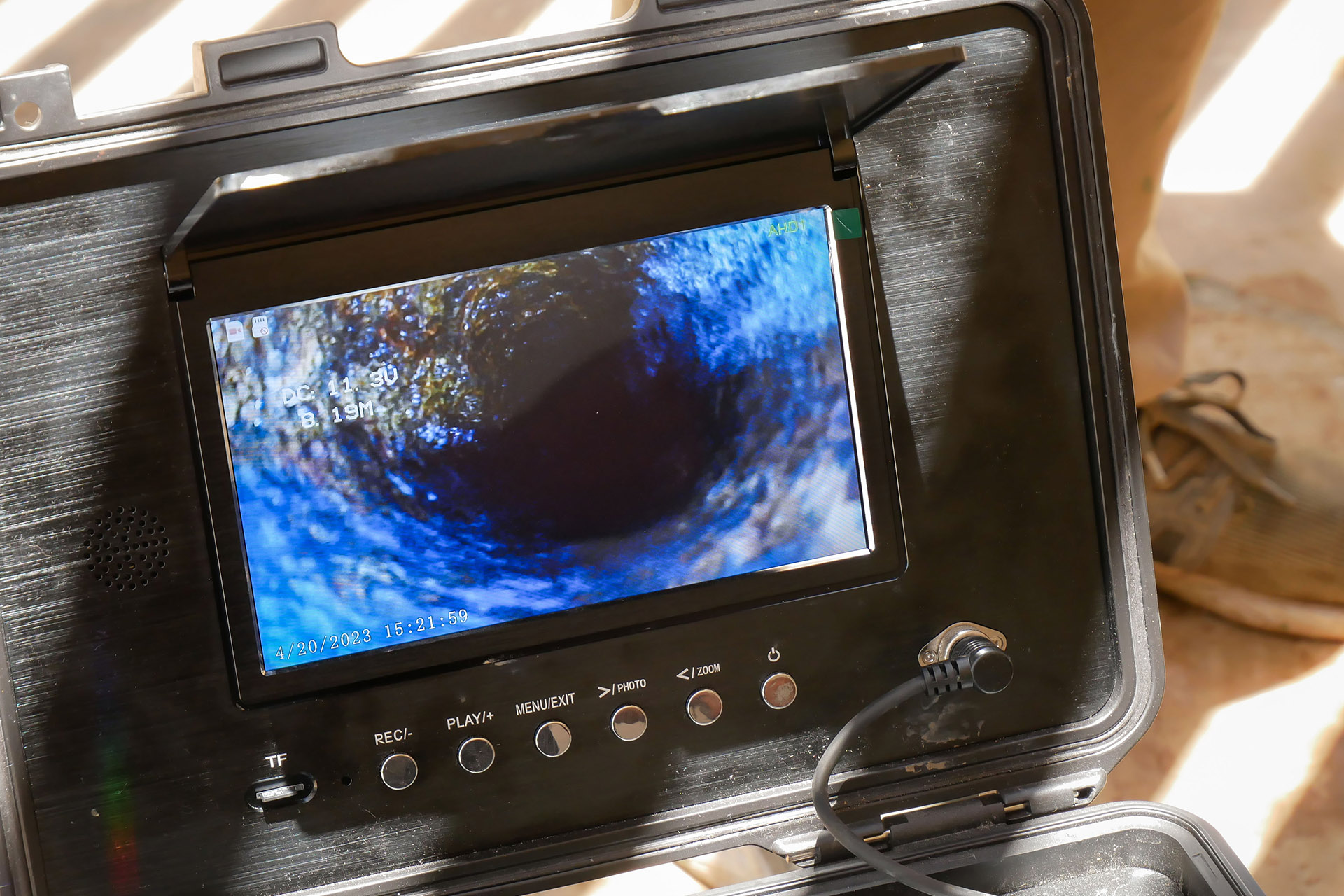
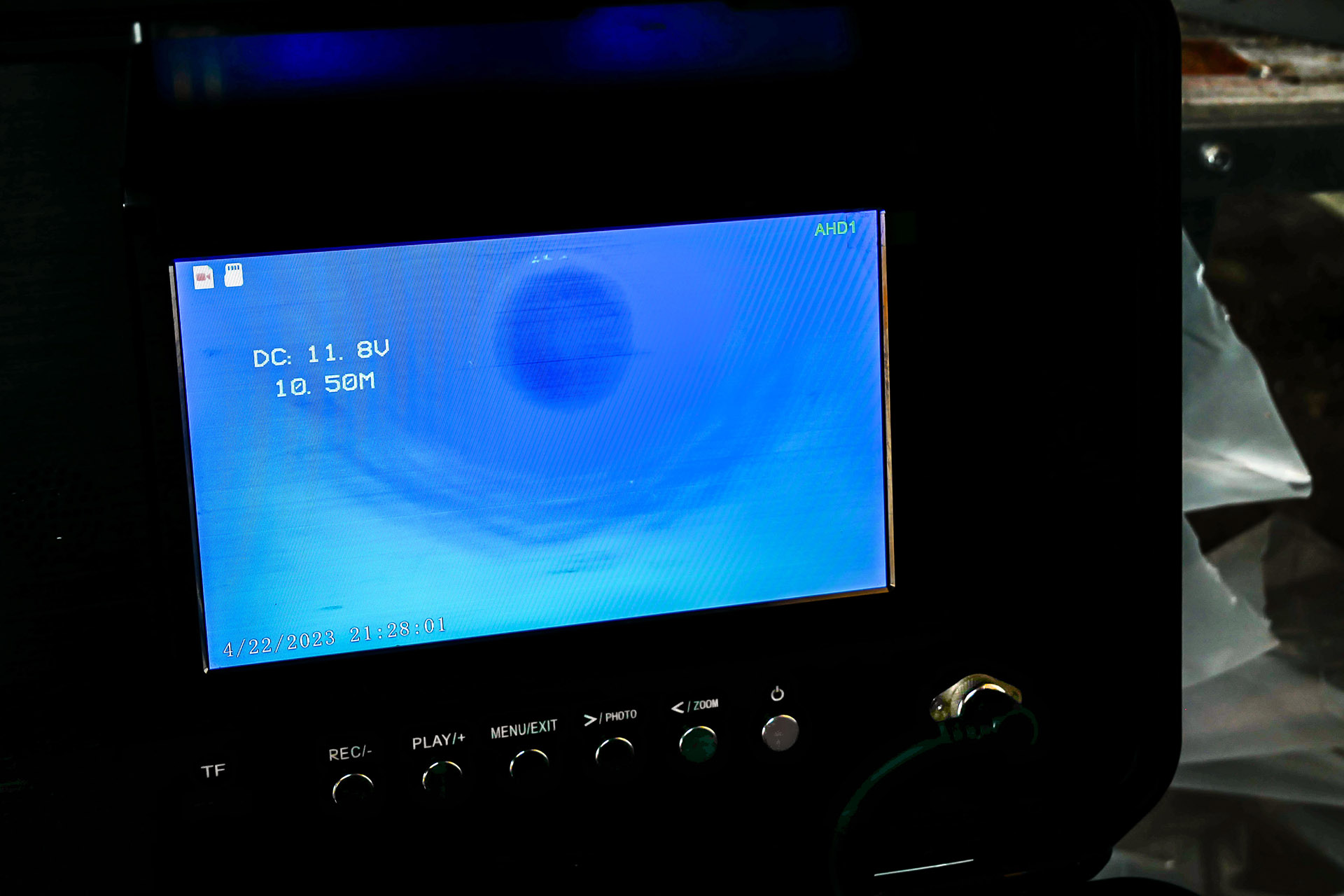
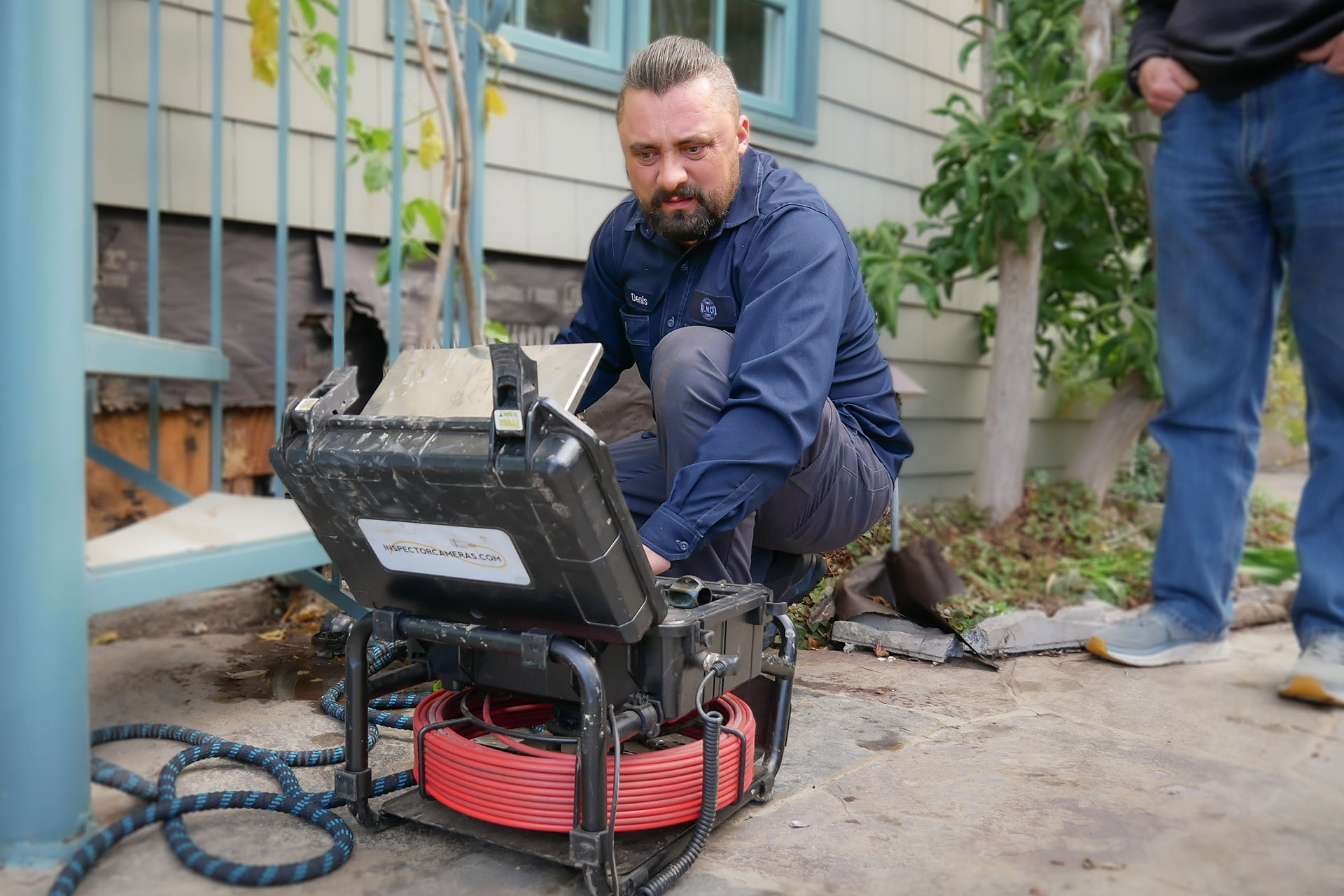
A plumbing professional begins by inspecting the sewer line with a high-definition camera. This helps identify any cracks, corrosion, or debris inside the pipe and ensures that the epoxy lining is a suitable solution.
-
Step 2. Pipe Cleaning & Preparation
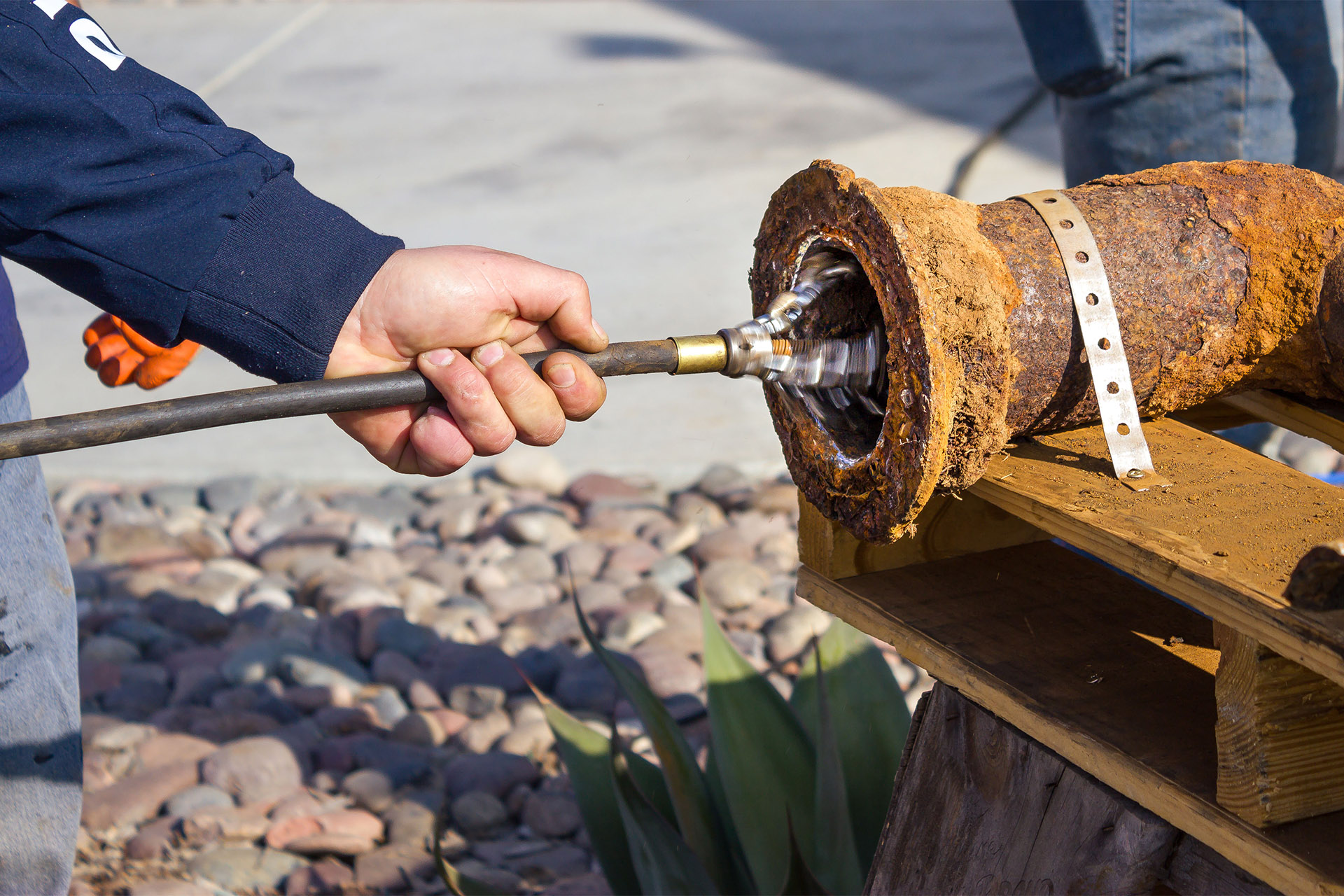
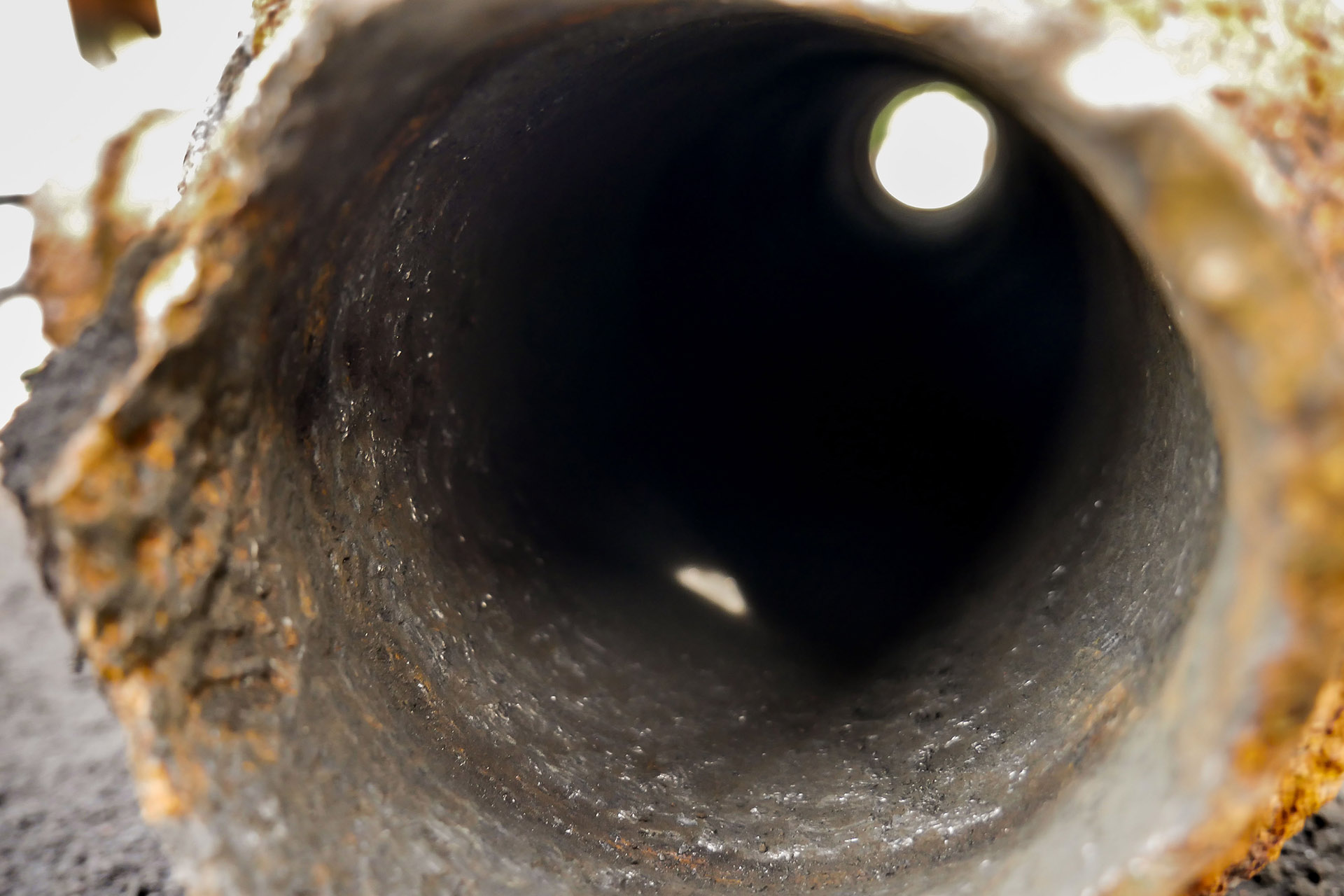
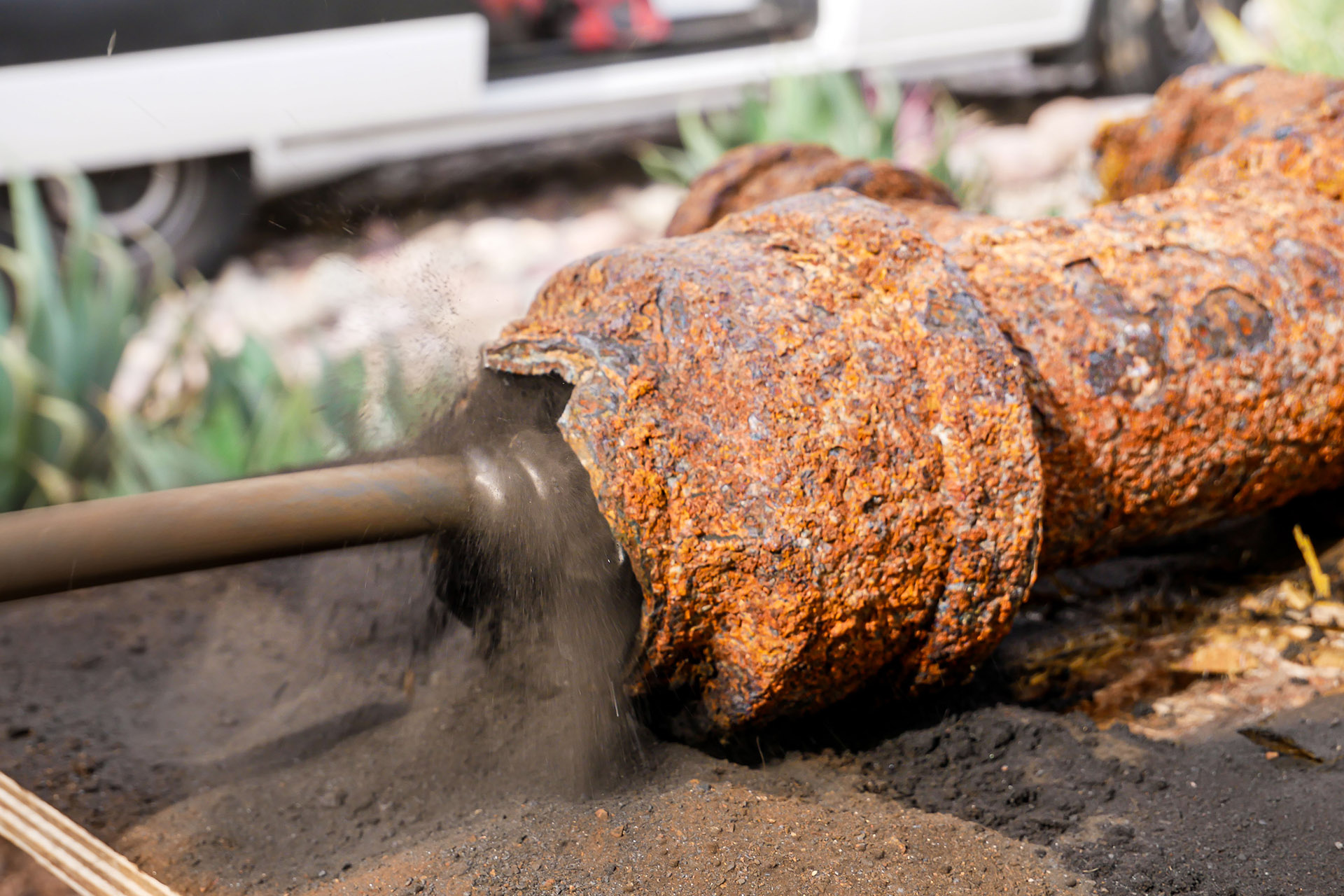
Before applying the epoxy, the pipe must be thoroughly cleaned to remove debris, rust, grease, and any blockages. This is typically done with carbide chains or hydro-jetting to create a smooth surface for the epoxy to adhere to.
-
Step 3. Dry the Inside of the Pipe
Moisture inside the pipe can affect how the epoxy cures, so technicians use air drying or heated air to ensure the pipe is completely dry before proceeding.
-
Step 4. Applying the Epoxy Coating
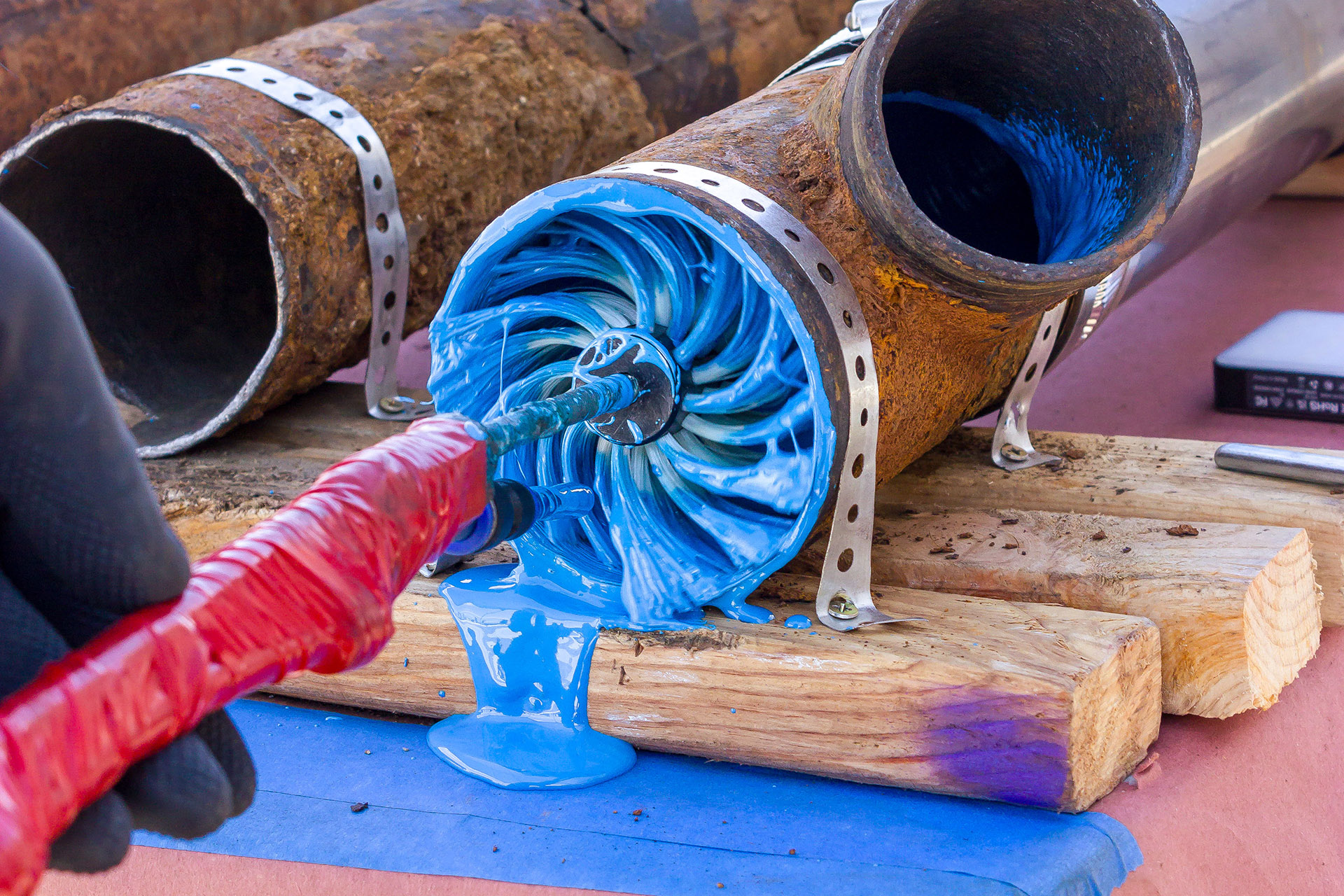
A special brush is used to apply the epoxy evenly along the inside walls of the pipe. The coating is applied in multiple coats to ensure complete coverage and seal any cracks or small leaks.
-
Step 5. Cure & Harden
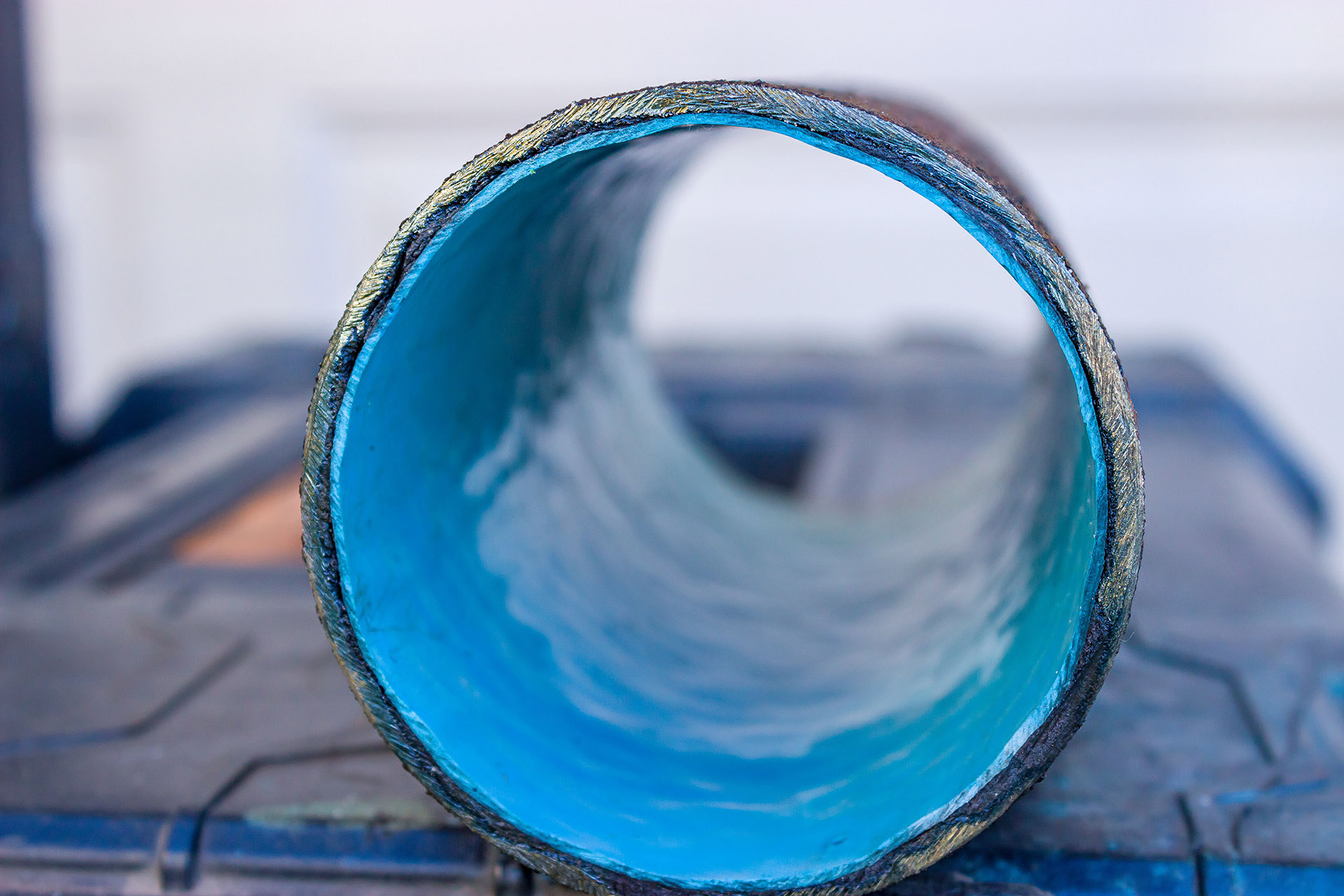
The epoxy is allowed to cure, either naturally or with the use of hot air to accelerate the curing process. Once cured, it forms a smooth, seamless, corrosion-resistant lining that reinforces the existing pipe structure.
-
Step 6. Final Inspection
After curing, a final camera inspection is performed to ensure that the epoxy lining is properly applied and free of defects. The sewer line is then tested for flow efficiency and leak resistance before being returned to service.
CIPP Process Step-by-Step
Cured-in-place pipe lining (CIPP) involves inserting a resin-saturated liner into the existing pipe and curing it to form a new, seamless and durable inner pipe. Here’s a step-by-step breakdown of how the CIPP process works.
-
Step 1. Sewer Line Inspection
This phase is the same as the spray/brush epoxy lining, and identifies any problems within the sewer system.
-
Step 2. Pipe Cleaning & Preparation
Descaling with a carbide chain or hydro-jetting is another common preparation step required for trenchless sewer repair.
-
Step 3. Liner & Resin Preparation
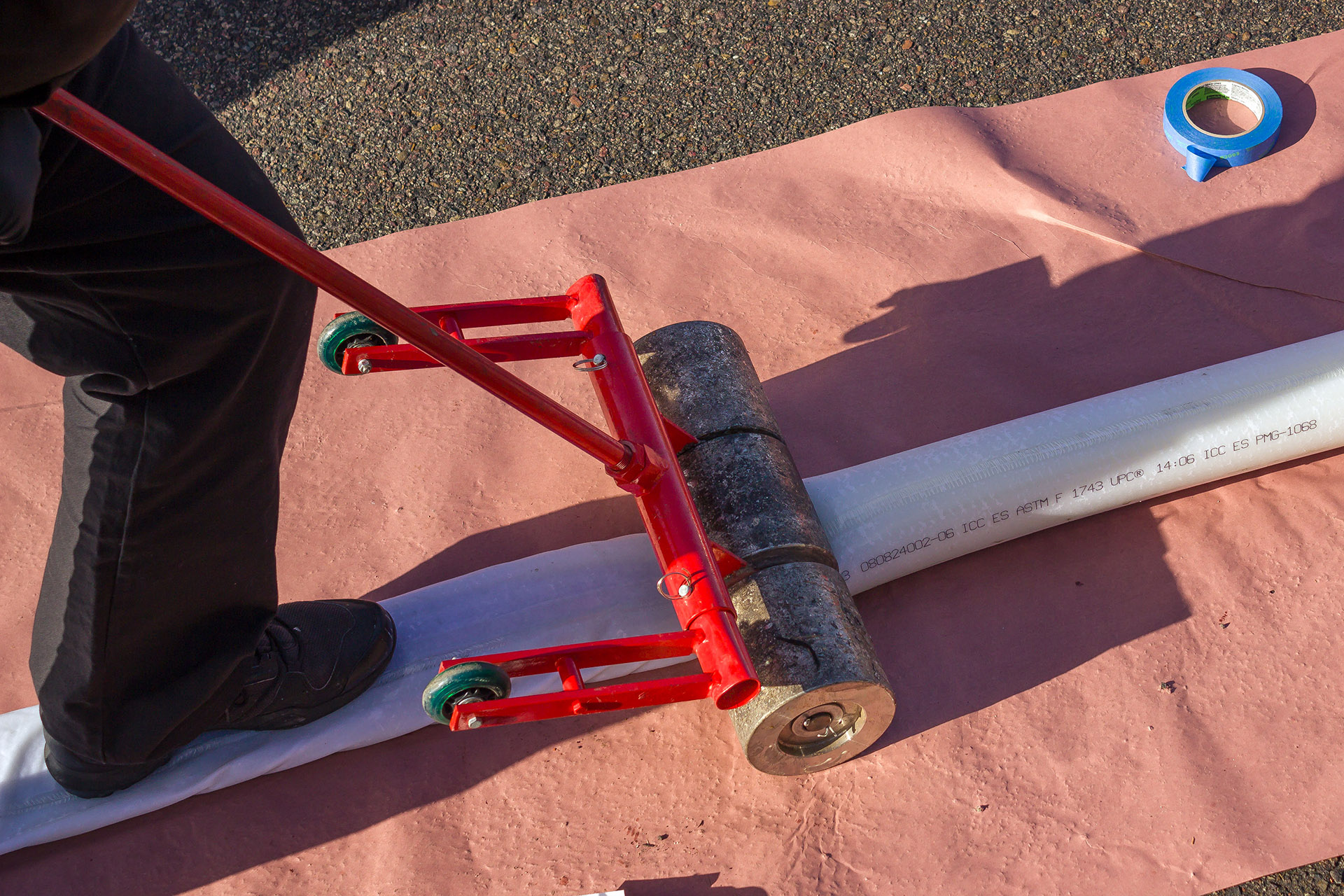
A flexible felt or fiberglass liner is saturated with epoxy or polyester resin. Once cured, the resin hardens to form the new pipe inside the existing pipe. The liner is carefully measured and prepared to fit the dimensions of the pipe.
-
Step 4. Liner Installation
The resin-coated liner is inserted into the damaged pipe using air pressure. This method allows the liner to expand and conform to the shape of the existing pipe, ensuring a tight fit along the interior walls.
-
Step 5. Curing Process
After the liner is in place for 3–4 hours, it is cured (hardened) The curing process transforms the liner into a solid, seamless pipe within a pipe.
-
Step 6. Final Inspection & Testing
After the liner is in place for 3–4 hours, it is cured (hardened) The curing process transforms the liner into a solid, seamless pipe within a pipe.
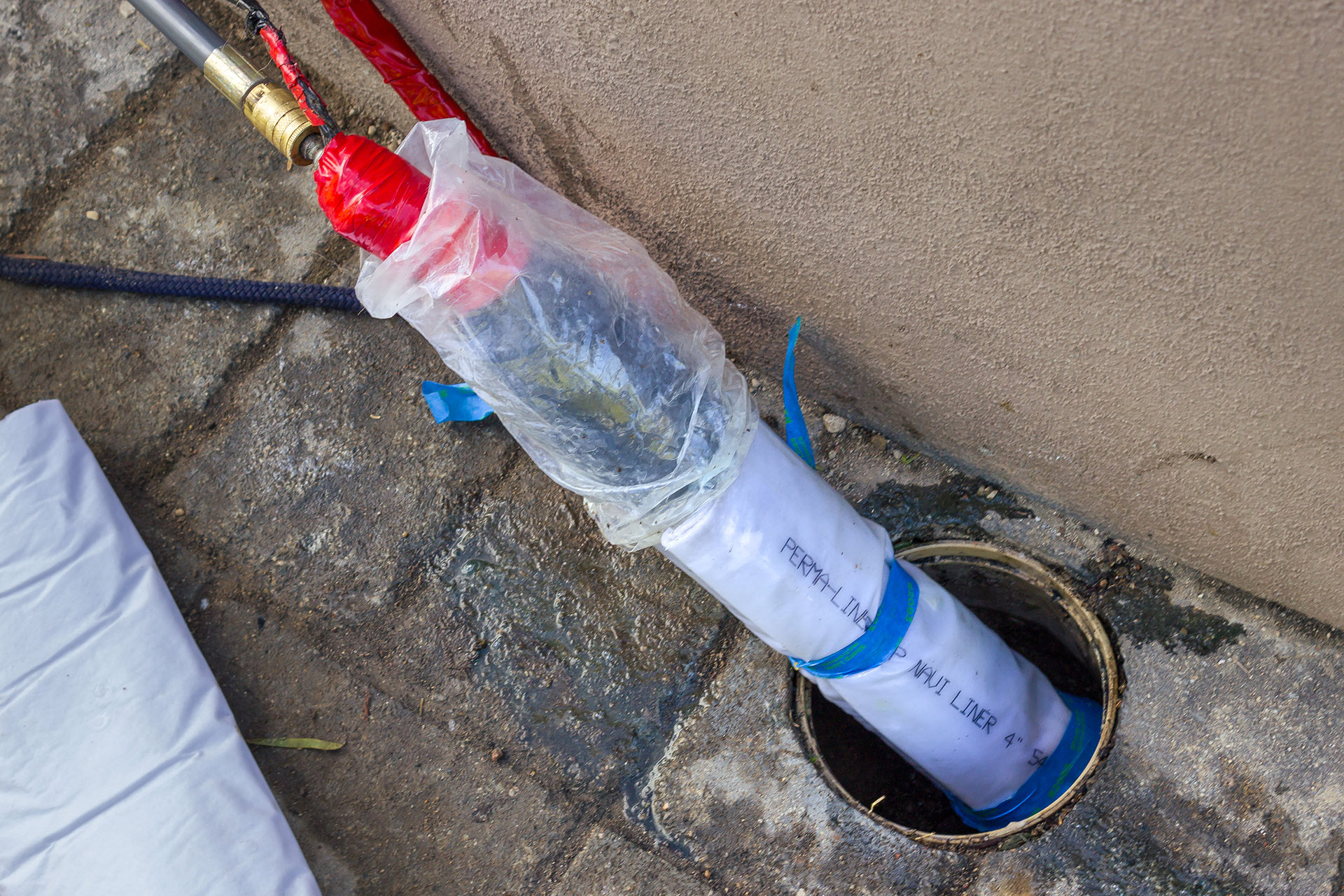
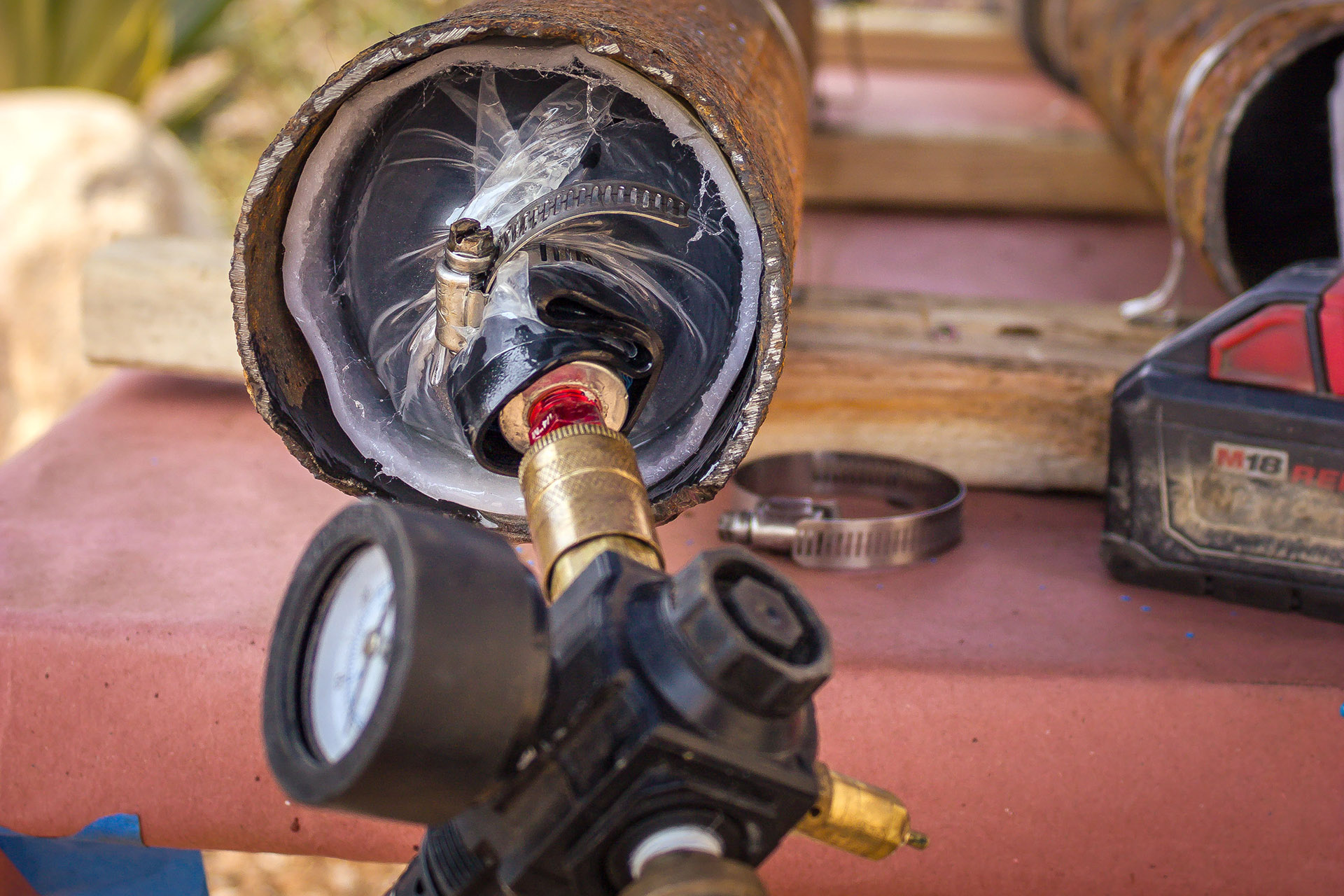
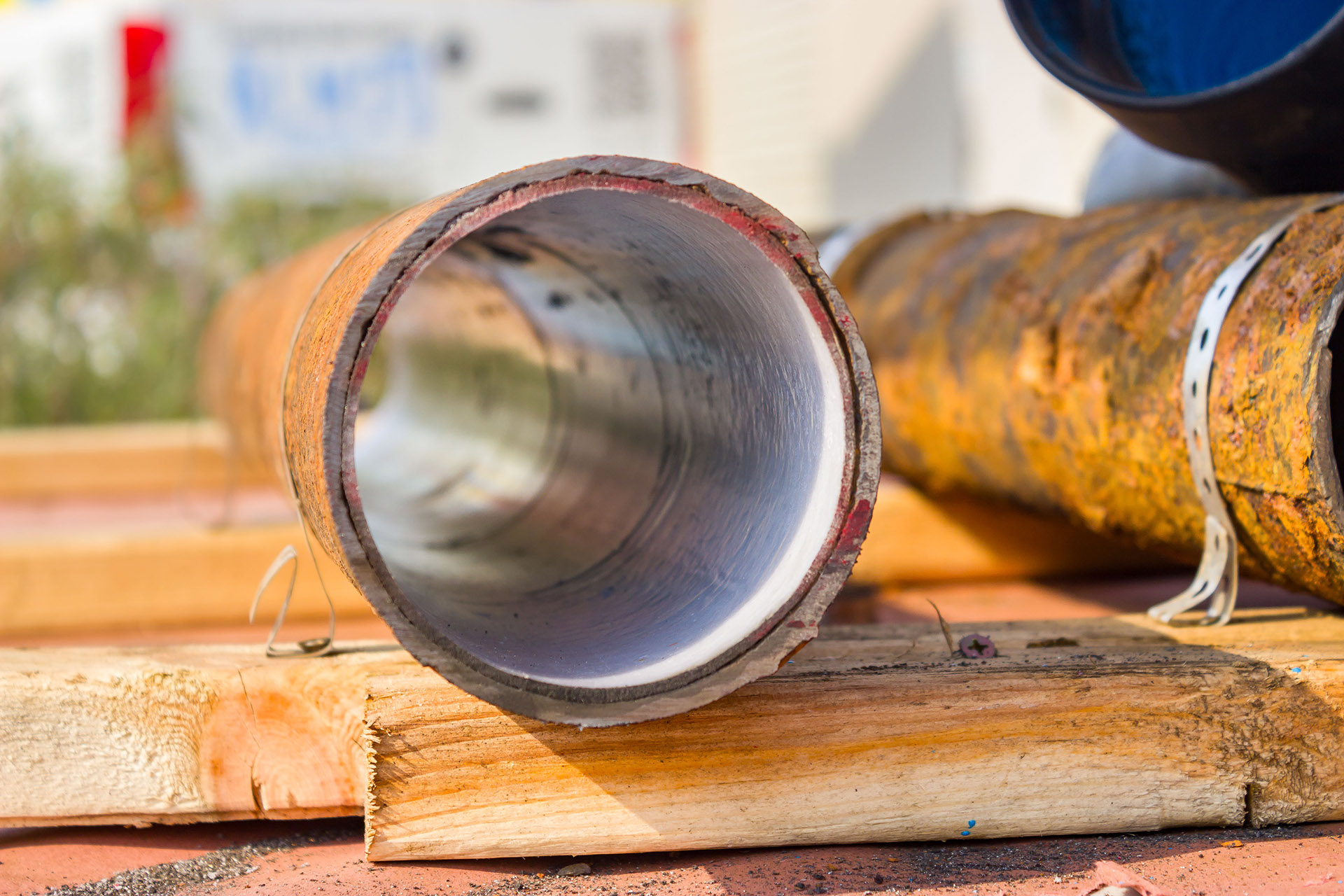
CIPP and spray/brush epoxy pipe lining are an excellent trenchless option for San Diego homeowners and businesses looking for a durable and efficient way to rehabilitate sewer lines without the hassle of excavation.
Pipe Bursting Lining Process Step-by-Step
Pipe bursting involves breaking the existing pipe while simultaneously pulling in a new high-density polyethylene (HDPE) SDR-17 pipe, creating a seamless and durable replacement. Here’s a step-by-step breakdown of the pipe bursting process.
-
Step 1. Inspect & Evaluate the Sewer Line
A professional plumber performs a camera inspection to assess the condition of the existing sewer line and determine if pipe bursting is the best solution. Measurements are taken to ensure that the new pipe will fit properly.
-
Step 2. Create Access Points
Two small excavations—an entry pit and an exit pit—are dug at each end of the damaged pipe. These access points allow the burst head and new pipe to be inserted.
-
Step 3. Inserting the Bursting Head & Tension Rod
A special bursting head is attached to a steel cable that is threaded through the existing pipe. The burst head is designed to rupture the old pipe as it passes through.
-
Step 4. Breaking the Old Pipe & Pulling in the New Pipe
As the bursting head moves forward, it breaks the old pipe outward into the surrounding soil. At the same time, a new HDPE pipe is pulled into place behind it, seamlessly replacing the old sewer line.
-
Step 5. Connecting the New Pipe to the Sewer System
Once the new pipe is fully in place, it is connected to the existing sewer system at both ends. The connections are secured to ensure proper alignment and leak-proof performance.
-
Step 6. Final Inspection & Testing
A camera inspection is performed to confirm that the new pipe is properly installed and free of defects. The system is tested for proper flow and function before the access pits are backfilled and the area restored.
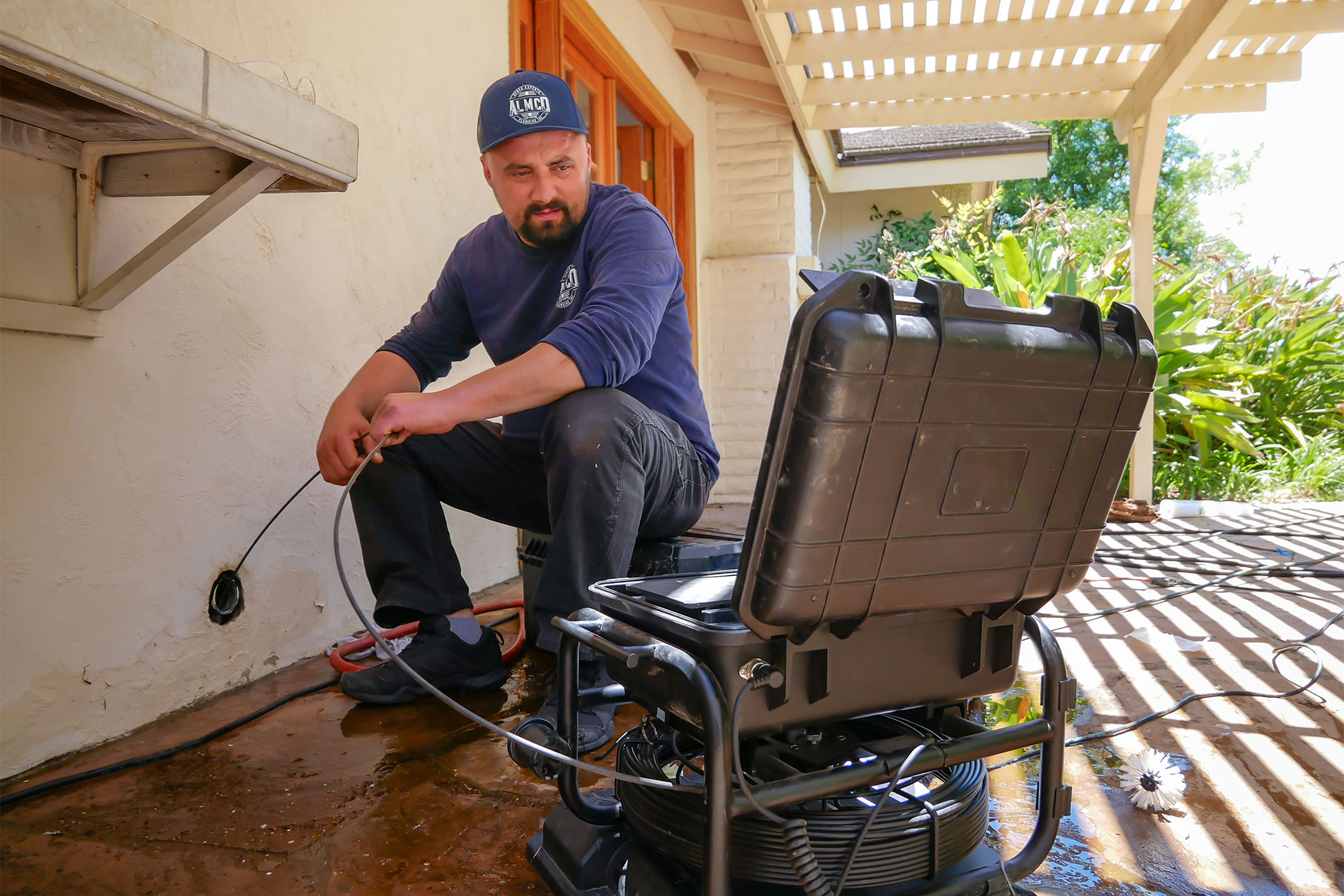
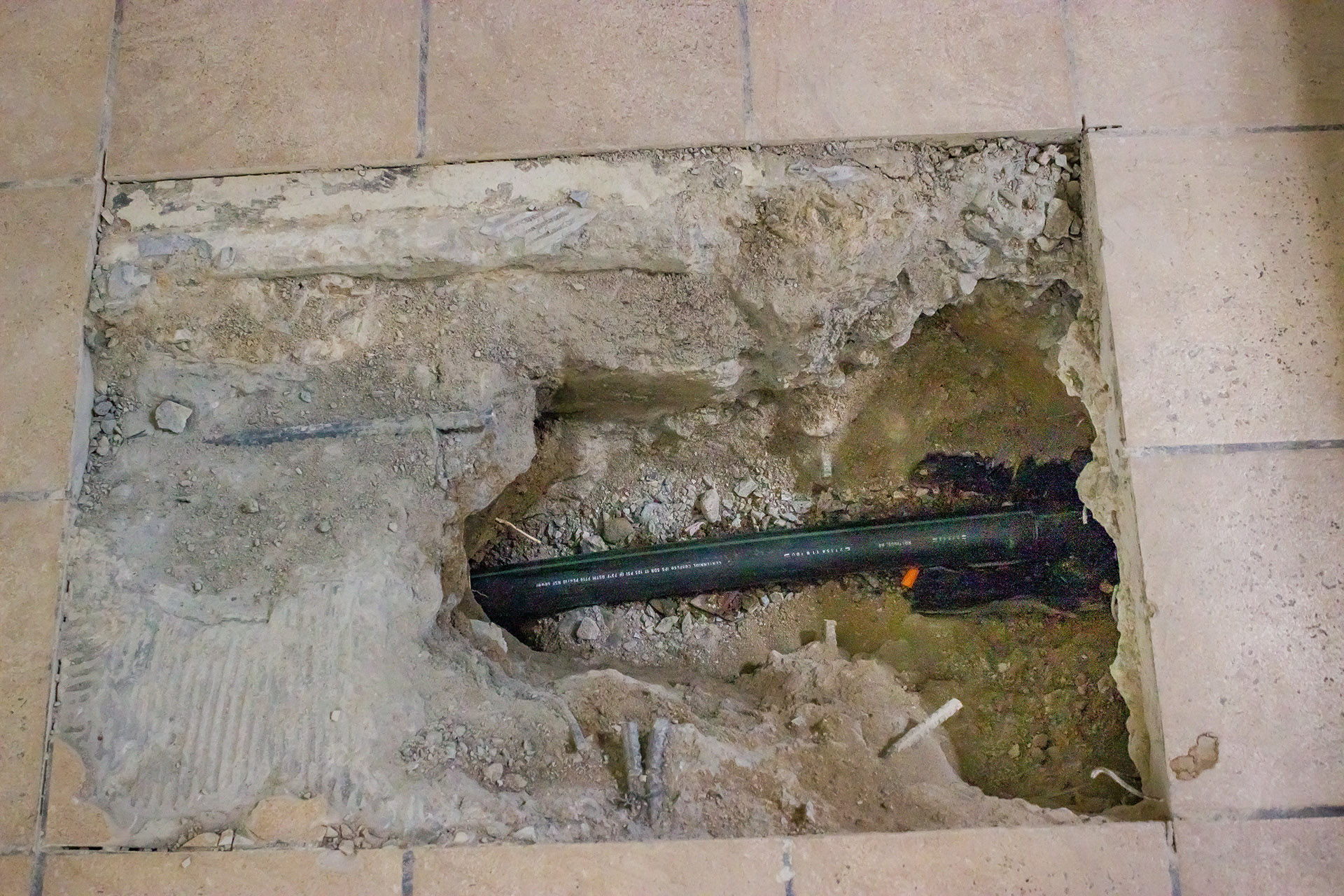
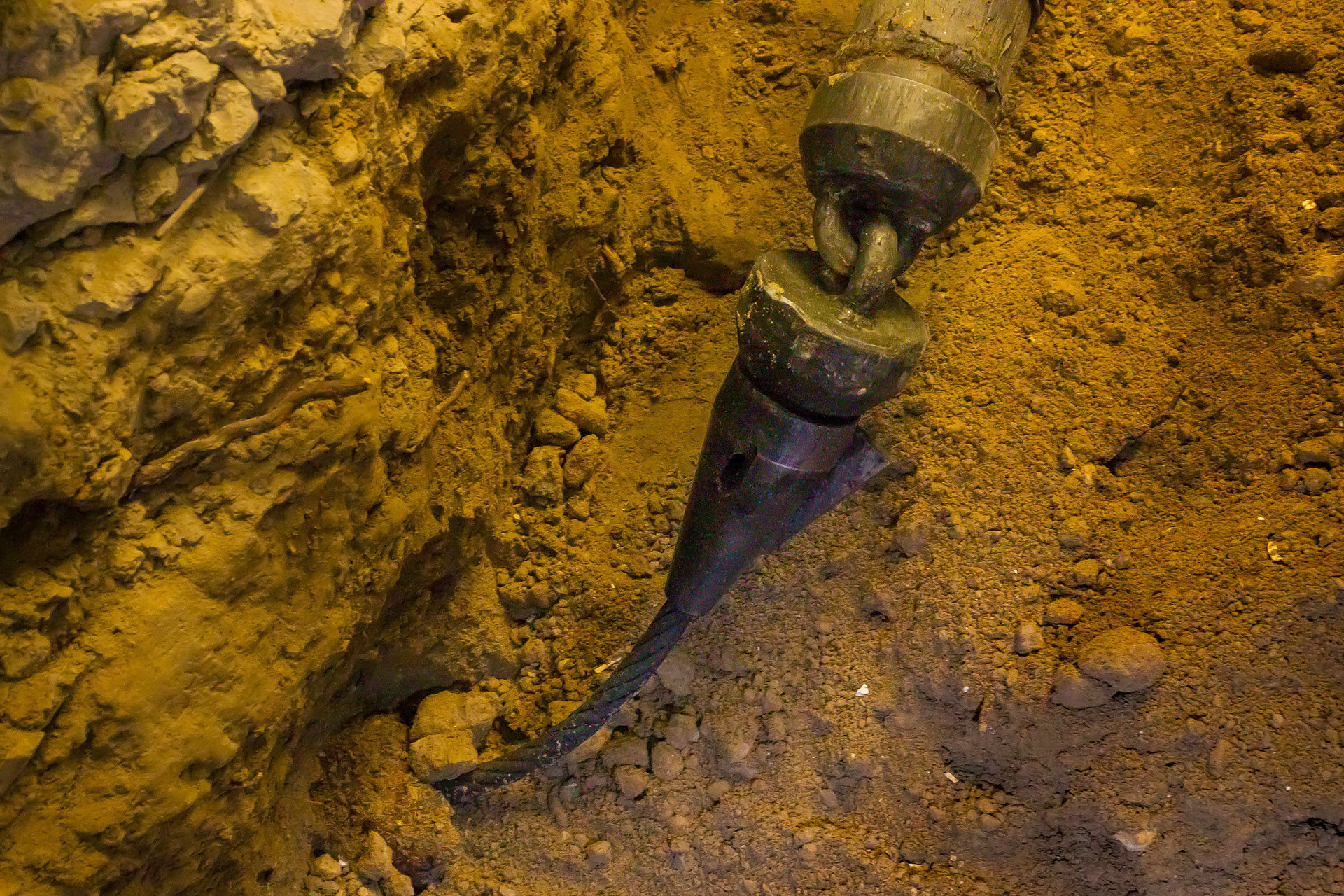
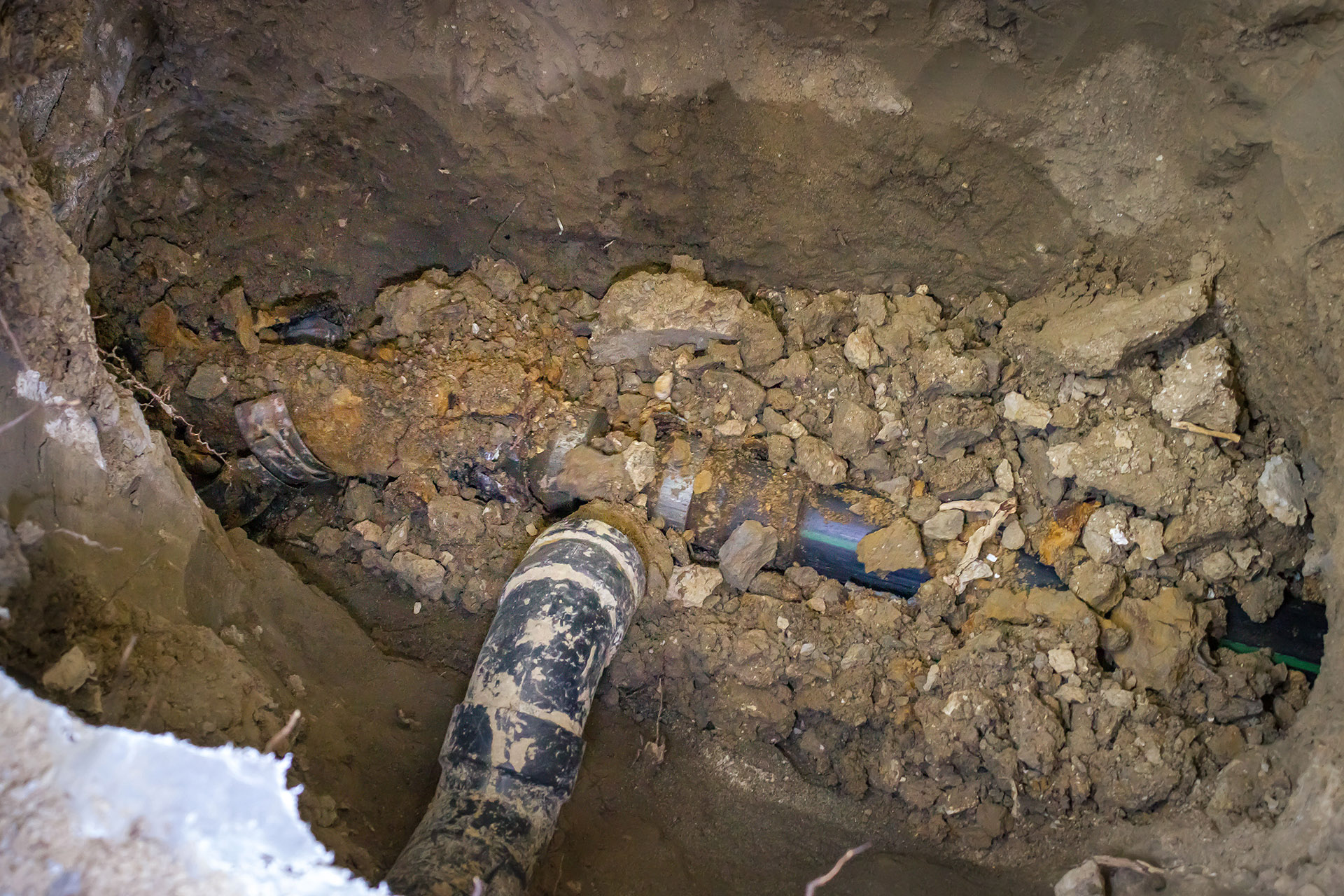
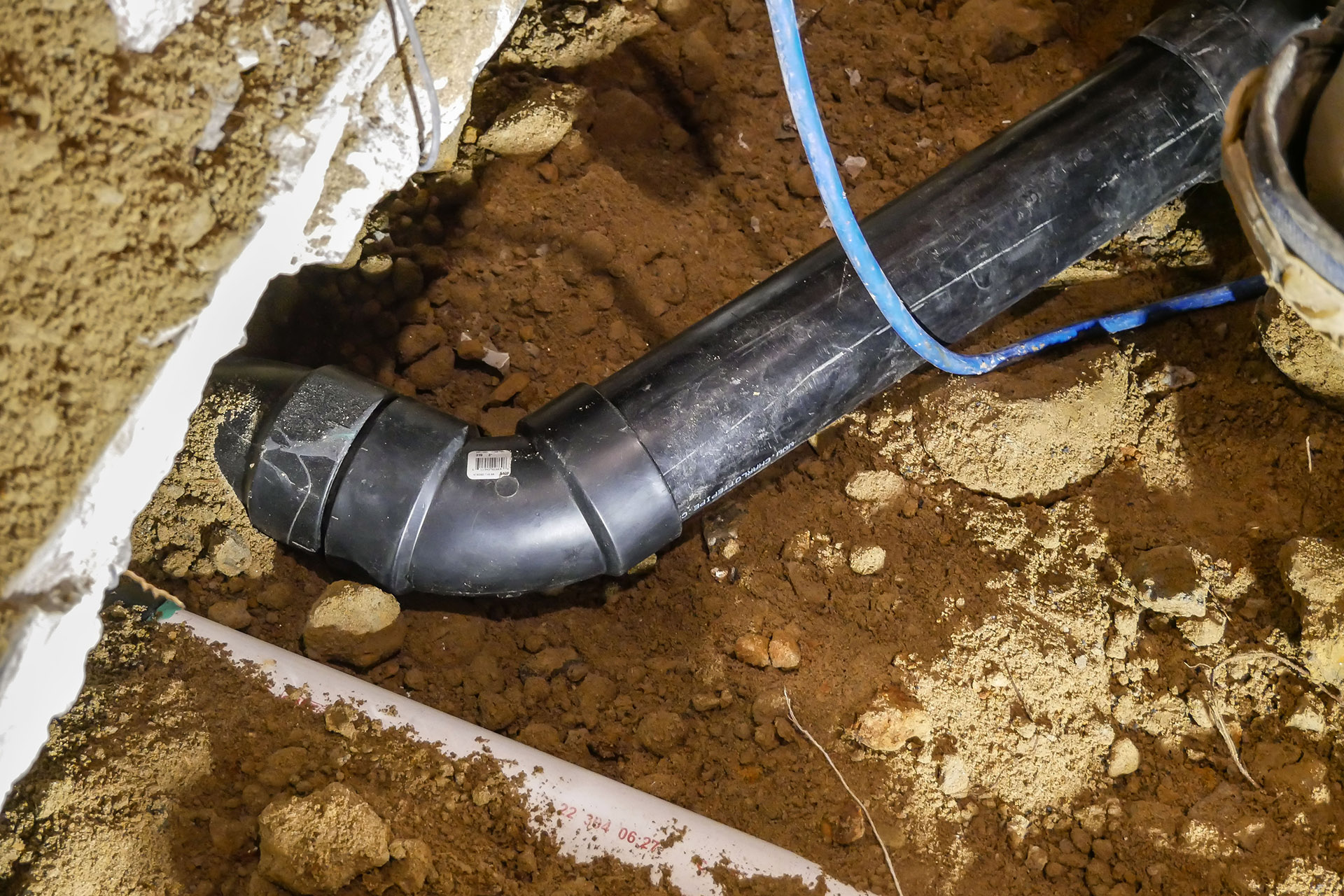
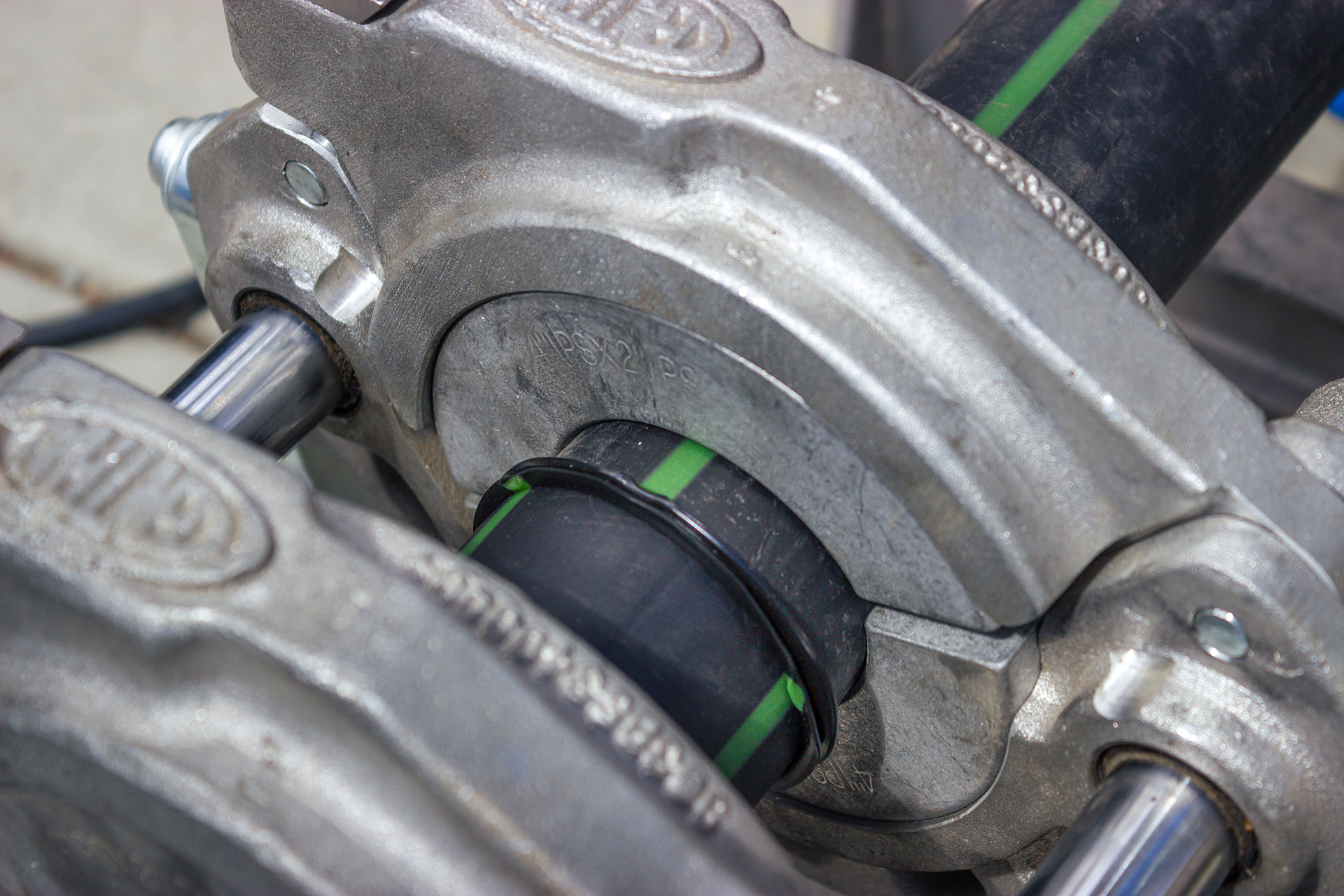
Pipe bursting is an efficient and durable trenchless solution for San Diego homeowners and businesses who need a complete sewer line replacement without the mess and expense of traditional excavation.
Pros & Cons of Trenchless Sewer Technologies
While trenchless sewer technologies offer significant benefits, they also come with certain limitations. Here’s a detailed look at the pros and cons of trenchless sewer repair and replacement.
Advantages of Trenchless Technologies
- Minimal Property Disruption: Unlike traditional excavation, trenchless methods require little to no digging, preserving landscaping, driveways, sidewalks, and structures.
- Faster Repair & Replacement: Most trenchless sewer repairs can be completed in a single day, reducing downtime and inconvenience for homeowners and businesses.
- Variability: It is possible to navigate 45° and 90° angles, replace entire runs of 2”, 3”, 4”, or 6” pipe, and even upsize—for example, replacing a 3” pipe with a 4” using pipe bursting.
- Long-Lasting Solutions: Materials used in trenchless repairs, such as CIPP liners and HDPE pipe, are durable, corrosion-resistant, and can extend the life of sewer systems by 50+ years (SDR-17 about 100 years).
- Cost-Effective in the Long Run: Although upfront costs can be higher, trenchless repairs eliminate the need for costly property restoration, making them a more economical choice over time.
- Environmentally Friendly: Trenchless technologies reduce soil disturbance, protect tree roots, and limit waste disposal, making them a greener alternative to traditional excavation.
- Root & Leak Prevention: Methods such as CIPP lining and epoxy coating create seamless, jointless pipes that prevent root intrusion and future leaks.
Disadvantages of Trenchless Technologies
- Not Suitable for Every Situation: If a pipe is completely collapsed or severely misaligned, trenchless methods may not be viable, and traditional excavation may be required.
- Access Point Requirements: While less invasive than full trenching, some methods, such as pipe bursting, still require small excavations for equipment access.
- Pipe Size & Condition Limitations: Some trenchless methods, such as CIPP lining, work best on pipes within a certain diameter range and may not be effective on extremely deformed or collapsed pipes.
- Limitations of Pipe Bursting Technology: If the old pipe is less than 18” deep, pipe bursting equipment cannot be used. Other underground utilities must be at least 5” away to avoid accidental damage. Pipe sections that go through the foundation must be trenched, or an alternative technique must be used.
The best approach depends on the condition of the existing sewer line, budget, and long-term goals. Consultation with an Almco sewer specialist will ensure the most effective method is selected for your needs.
Trenchless Sewer Prices In San Diego
The cost of trenchless sewer repair and replacement varies based on factors such as pipe length, condition, material, and the specific method used. We offer transparent and competitive pricing tailored to the specific needs of each project.
Below is an overview of Almco Plumbing’s trenchless sewer service pricing.
| Type of Work | Average Price, $* |
|---|---|
| Epoxy Lining | $120–$190 per foot |
| Descale & Epoxy Line Kitchen Pipe | $5,000–$8,000 |
| Epoxy Line from the Property Drop to the City Sewer Main | $5,000–$15,000 |
| Spot Repairs with CIPP Pull-In-Place | Starting at $2,800 |
| Spot Repair 1–5 Feet with CIPP Inversion | $1,800–$3,500 |
*The above prices are for guidance only and do not constitute an offer.