
How to Stop a Leaking Pipe with Water in It: A Quick Solution from the Experts at Almco Plumbing in 2026

Dealing with a leaking pipe can be a homeowner’s nightmare—especially when the pipe is still full of water. Immediate action is crucial to prevent water damage and expensive repairs. While the best solution involves shutting off the water supply before attempting repairs, that’s not always possible. Knowing how to handle such situations can help minimize damage and increase the chances of a successful repair. Here’s a quick guide to help you manage leaking pipes effectively.
Main Causes of Water Pipe Leaks
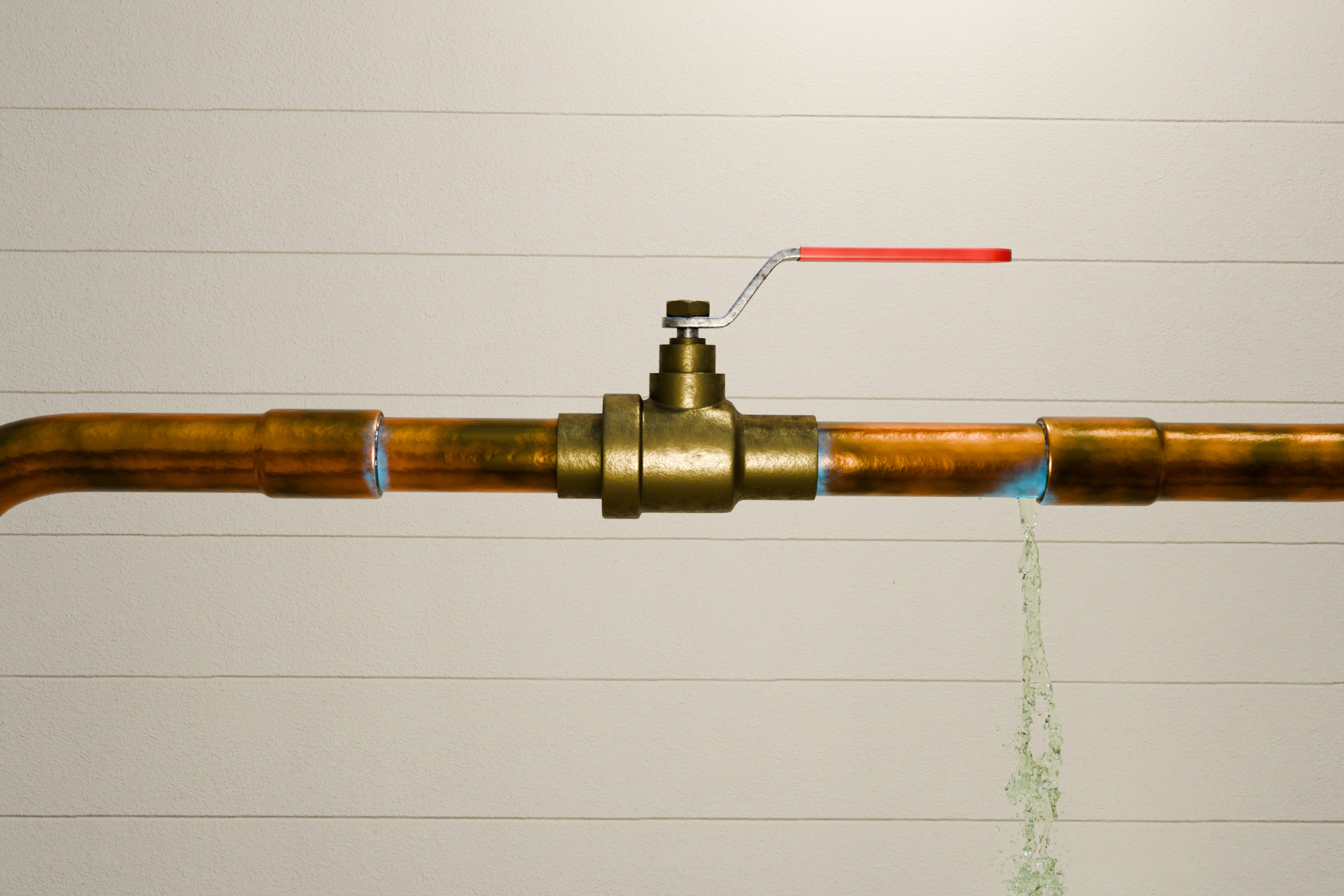
How to Stop a Leaking Pipe with Water in It
The first step in preventing costly damage and future plumbing emergencies is understanding why water pipes leak. There are a variety of reasons why leaks can develop, ranging from natural wear and tear to environmental stress and installation flaws:
- Chloramines (chlorine + ammonia): Many cities of California use chloramines—rather than chlorine alone—to disinfect drinking water. Chloramines are more stable and remain in the system longer. However, they are highly corrosive to copper, especially older or thinner Type M copper pipes. Chloramines cause pitting corrosion, which leads to pinhole leaks from the inside out. These leaks often start in cold water lines and can appear after just 10–20 years of use.
- Water pH and Electrolytic Corrosion: San Diego’s water has historically been slightly acidic to neutral, which accelerates electrochemical reactions with copper. When combined with chloramines, this low pH increases internal corrosion. Galvanic corrosion can also occur when copper is connected to dissimilar metals (e.g., galvanized steel or brass) without dielectric unions.
- Hard Water: San Diego has moderately hard to hard water, meaning it contains high levels of calcium and magnesium. Unlike chloramines, calcium doesn’t corrode copper—on the contrary, it often forms a protective scale inside the pipe. But, excessive mineral buildup can narrow pipes and increase pressure, potentially leading to mechanical failure or corrosion, especially when combined with poor installation or other chemical imbalances.
Other factors include:
- Improper installation (e.g., excessive flux or acidic solder)
- Velocity erosion in high-pressure or undersized pipes
- Water stagnation in low-use pipes or dead legs
Knowing these causes helps homeowners take preventive steps and address small issues before they become major problems.
Immediate Actions to Control the Leak
When faced with a leaking pipe, acting quickly is essential to reduce water damage and protect your home. Here’s what to do right away:
- Shut Off the Water Supply. Locate the main water shut-off valve—usually found in the basement, garage, or near the water meter—and turn it off to stop the water flow and prevent further leakage.
- Reduce Water Pressure. If you can’t turn off the main supply, open nearby faucets to relieve pressure in the affected pipe. This may slow the leak.
- Inspect for Electrical Hazards. If water is leaking near outlets or appliances, turn off power to that area immediately to avoid the risk of electrocution.
- Contain the Leak. Place a bucket under the leak to collect water and use towels or rags to soak up spills. This will help protect floors and nearby areas from water damage.
By following these steps, you can manage a leaking pipe, reduce potential damage, and protect your home’s safety.
Temporary Fixes for Leaking Water Pipes
Temporary fixes can help control the leak until a plumber arrives. Here are two common methods:
- Pipe Repair Clamps. These are designed for quick, temporary sealing of leaks. Easy to install and widely available at hardware stores, they provide a strong mechanical seal over the damaged area.
- Epoxy Putty. After kneading the putty according to the manufacturer’s instructions, apply it directly to the leak. It will harden and temporarily stop water flow until permanent repairs can be made.
While these methods offer quick relief, they are not long-term solutions. It’s important to have a licensed plumber assess the problem and make a permanent repair.
When to Call a Professional for Water Pipe Leaks
When dealing with a leaking pipe, many homeowners ask: “Can I fix this myself, or should I call a professional?”
While minor issues may be handled with basic tools, more serious leaks often require professional water leak repair.
Benefits of Hiring a Licensed Plumber
- Accurate Leak Detection. Professionals use advanced equipment to locate hidden leaks behind walls, under flooring, or even beneath concrete—without destructive demolition.
- Expertise & Specialization. Licensed plumbers are trained to handle complex problems such as slab leaks, corrosion, and joint failures.
- Time Efficiency. What might take a homeowner hours (or days) can often be repaired by a plumber in a single visit.
- Warranty & Peace of Mind. Trusted companies like Almco Plumbing offer guarantees on parts and labor, giving you added security.
- Professional services may cost more upfront due to diagnostics and labor
- During busy seasons, scheduling might require some patience
- DIY fixes are best reserved for minor issues. For major or hidden leaks, trust a licensed plumber to protect your home
Preventive Measures to Avoid Future Leaks
Prevention is always better than repair—especially when it comes to plumbing. Regular maintenance and inspections can catch issues early, before they become emergencies.
Almco Plumbing recommends:
- Routine Inspections. Check pipes regularly for signs of corrosion, wear, or damage.
- Monitor Water Pressure. High water pressure can stress pipes. If necessary, install a pressure regulator to keep it within safe limits.
- Choose Quality Materials. When making repairs, use high-grade materials to ensure durability and reduce future risk.
A leaking pipe—even one with water still running through it—can feel like a serious emergency. But with the right steps, it can be managed safely until professional help arrives. Almco Plumbing is here to help San Diego homeowners with fast, dependable service that protects your home and plumbing system.