
How to Naturally Unclog a Drain?

Dealing with a clogged drain is an all-too-common household nuisance, especially under the sunny skies of San Diego. While chemical solutions are readily available, they often come with undesirable side effects for both your plumbing and the environment. Almco Plumbing, your trusted San Diego-based plumbing specialists, advocates for eco-friendly approaches to this pesky problem. In this guide, we’ll explore how to unclog your drains naturally, ensuring your home’s plumbing works seamlessly without harming our planet.
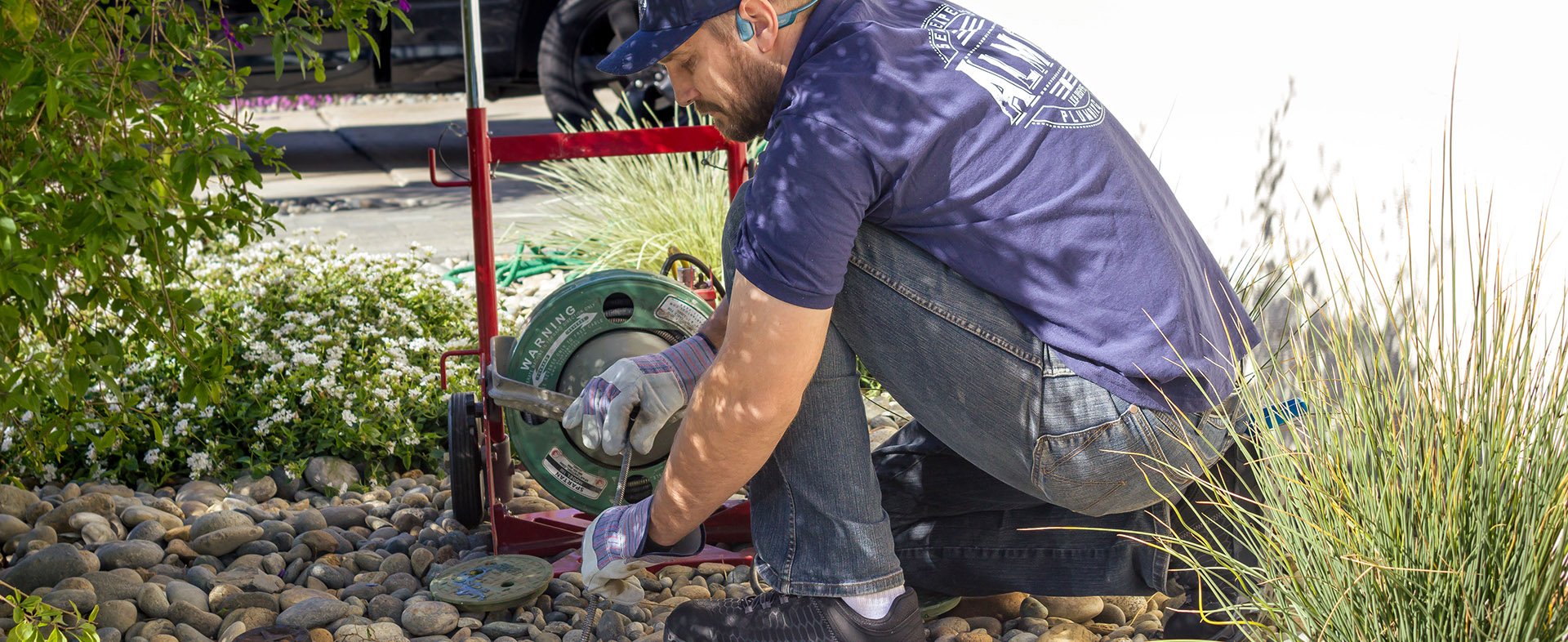
Professional drain snaking service in San Diego, CA
Understanding Drain Clogs
Drain clogs can sneak up on you, gradually building from hair, grease, soap scum, and other debris, until water can no longer pass through. Identifying the cause of these blockages is the first step in addressing them effectively. Opting for natural solutions not only protects your pipes but also keeps your home free from harsh chemicals, aligning with a greener lifestyle that benefits both your health and the environment.
Benefits of Natural Drain Unclogging Methods
Choosing natural methods to unclog your drains offers several important advantages for both your home and the environment. These solutions are generally safe for all members of your household, including children and pets, since they don’t involve harsh or corrosive chemicals. In addition, natural methods are often much more affordable, using common household items like baking soda, vinegar, and hot water instead of expensive commercial products. Beyond cost and safety, they are also environmentally friendly, helping to reduce the amount of toxic substances that enter water systems and harm ecosystems. Another benefit is that natural solutions are gentler on your pipes, lowering the risk of corrosion or long-term damage. Altogether, these methods provide a simple, effective, and sustainable way to maintain clean and functional drains.
How to Naturally Unclog a Drain: Step-by-Step Guide
- Boiling Water Technique: Start with the simplest solution—boiling water. This method works best on grease or soap-induced clogs by dissolving the blockage. Carefully pour boiling water directly down the drain in two to three stages, allowing the hot water to work its magic in between pours.
- Baking Soda and Vinegar Method: For a more stubborn clog, turn to the trusty duo of baking soda and vinegar. Pour half a cup of baking soda followed by half a cup of white vinegar into the drain. Cover it with a plug or a wet cloth for about 30 minutes to let the mixture fizz and break down the clog, then flush with boiling water.
- Salt, Baking Soda, and Boiling Water Solution: Combine a quarter cup of table salt with half a cup of baking soda and pour it down the blocked drain. After letting it sit for a few hours, pour boiling water down the drain to clear out the mixture and the clog.
- Plunger or Mechanical Snaking Use: Sometimes, a good old-fashioned plunger can do the trick. Ensure you have a tight seal around the plunger and use a quick, sharp motion to create pressure in the pipes, which can help dislodge minor clogs. If physical plunging isn’t enough to reach deep tree roots or solid debris, a professional drain snaking service can safely clear the line without damaging your pipes.
		Tried everything and it's still slow?
	If the clog is past the trap, home methods can't reach it. We can — today.

		Call a pro — free estimate
					or call (858) 544-6331

	Licensed & Insured · 90-Day Warranty · Financing Available
Preventative Measures to Avoid Future Clogs
Prevention is always better than cure, especially when it comes to maintaining a healthy plumbing system. Simple habits can go a long way in avoiding stubborn clogs and costly repairs. Using drain strainers helps catch hair, food particles, and other debris before they enter your pipes, while avoiding pouring grease, oil, or fat down the sink prevents buildup that can harden over time. Regularly flushing your drains with hot or boiling water can also help break down minor residue and keep everything flowing smoothly. In addition to these daily practices, Almco Plumbing recommends routine maintenance checks to identify potential issues early and keep your plumbing system in optimal condition, helping you prevent problems before they start.