
How Much Does It Cost to Repipe a House in San Diego?

Years of constant use, they really mess with your home’s pipes. If you don’t get that plumbing replaced when it’s due, you’re just asking for trouble, like corrosion, rust, and general decay, all that stuff leads to leaks. And if you let those plumbing problems fester for too long, you’re looking at actual flooding in your house. Then you’ll be shelling out a ton of cash to fix up your place, probably more than just replacing the pipes would have cost. It’s always the same story.
Doesn’t it make more sense to head off those plumbing disasters? Take a look at this article, it’ll help you figure out if it’s time to swap out your pipes, understand exactly what the process involves, and get a clear picture of what those costs look like here in San Diego.
Do I Need to Repipe my House?
Do I Need to Repipe my House?
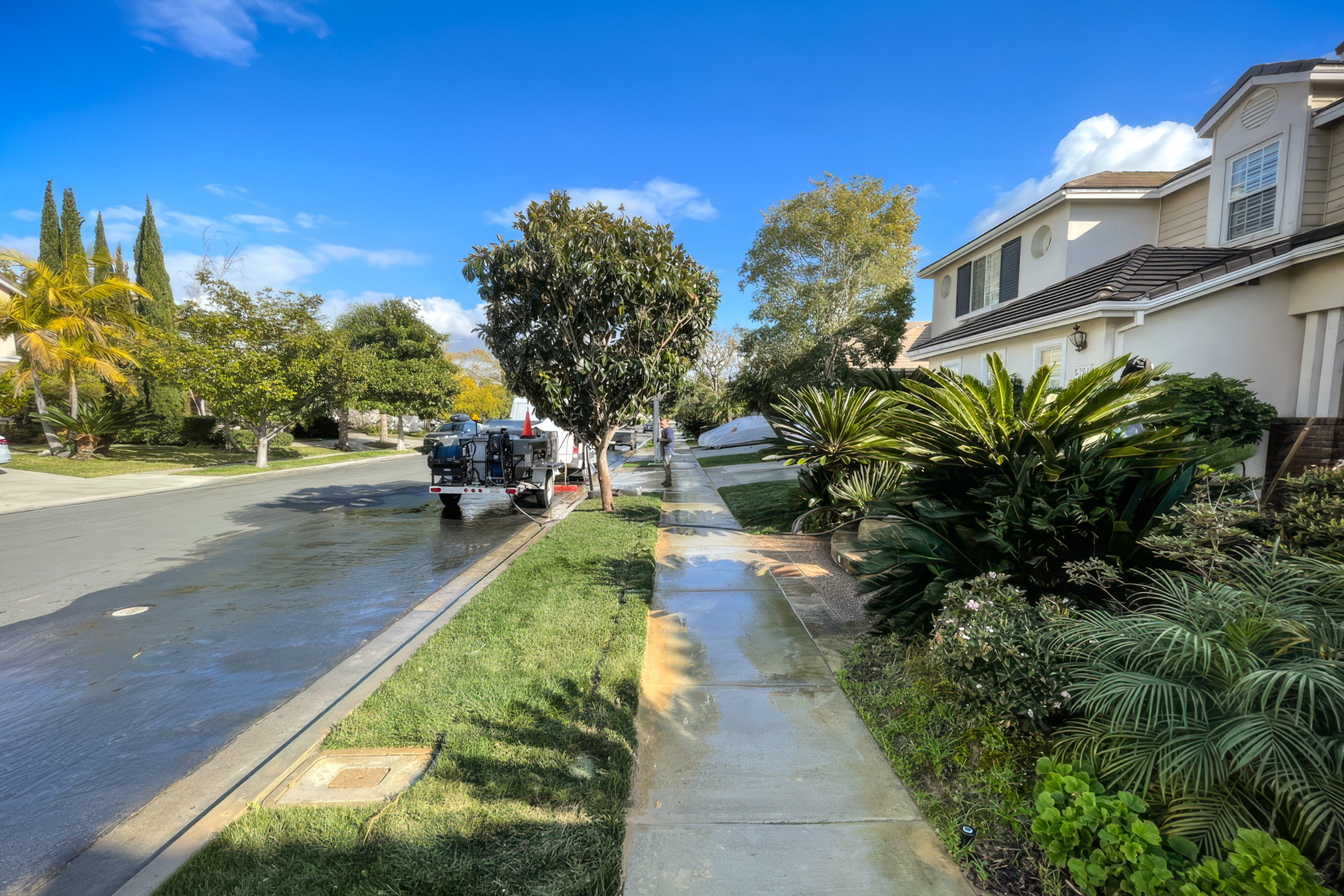
Even with a solid crew, swapping out a home’s water pipe system is a pretty complex and tricky job for everyone involved, the plumber and you, the homeowner. We usually have to open up walls and floors just to get at those pipes. That’s why repiping is really a last resort, we only do it for emergencies or if maintenance just isn’t cutting it anymore.
There are a bunch of signs that tell you when pipes are ready to be replaced, including:
- Multiple pipe leaks
- Poor water pressure—it comes in a thin stream from any tap in the house
- Strange and unpleasant taste of water
- Red, brown, yellow or greenish water comes out of the taps
- Increasing requests for plumbing services
- Pipes in the water supply system are worn out
- Pipes are made of old copper or polybutylene
Pipe Wear Inspection
Pipe Wear Inspection
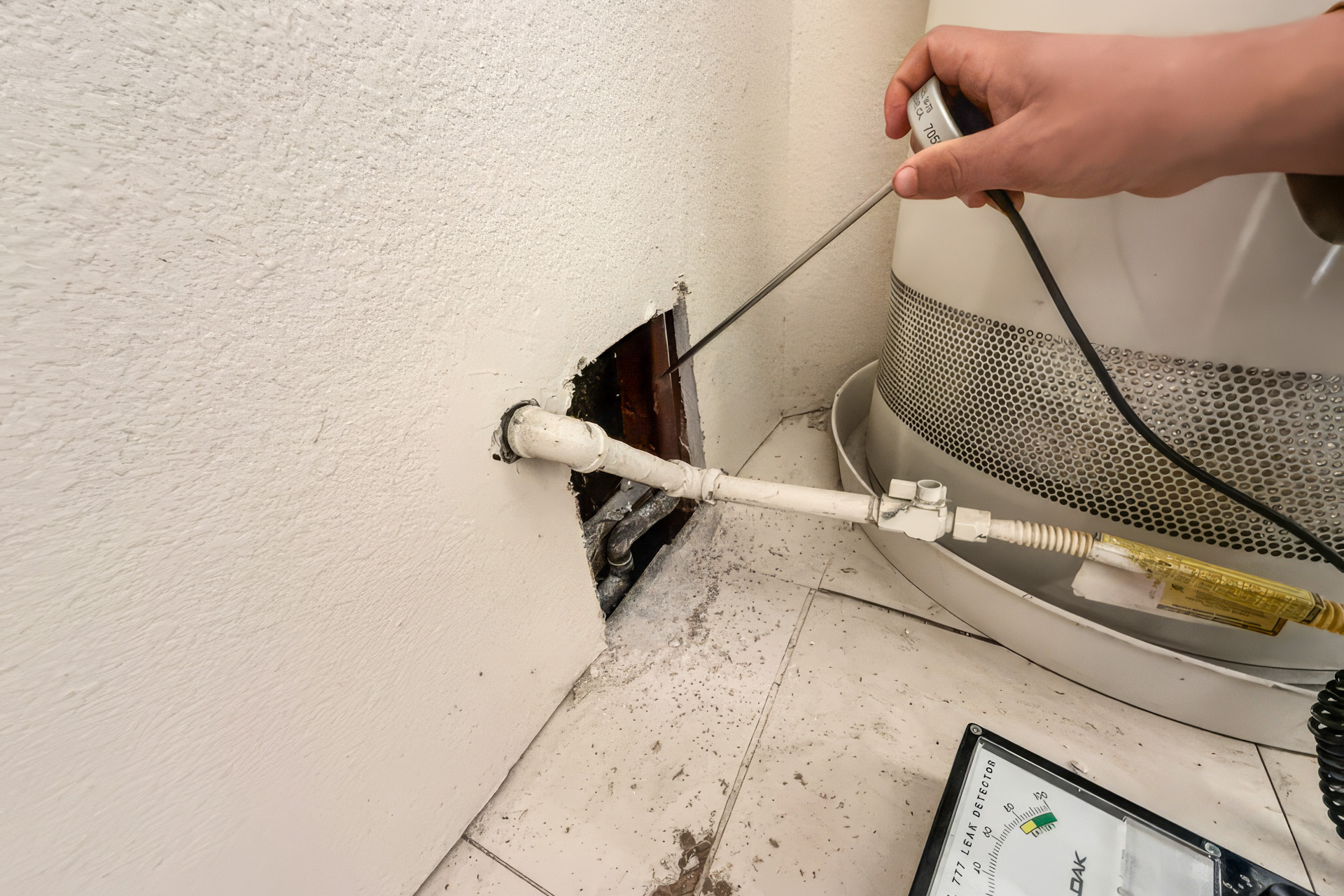
First thing, we always tell folks to find out what kind of pipes their home actually has. Usually, you can dig that info up in your home inspection report, you should’ve gotten that when you bought the place. But hey, if that report’s gone missing, don’t sweat it, you can always call in a plumbing specialist for camera inspection. Sometimes only a pro can really tell if what you’ve got is serious enough for a full repipe, or if a little upkeep can sort things out.
Pipes that get looked after, they’ll often hang in there longer. Neglected ones, they’ll give out faster. So even if your pipes are older than what the general guidelines suggest, but they’ve been properly cared for, it doesn’t automatically mean they need replacing. Plus, if you’re in an area with hard water, you know, high mineral content, that can wear out pipes quicker. But all that means is you gotta schedule regular servicing to keep everything running smooth and avoid bigger headaches down the line.
Replacement of Polybutylene Pipes
If your house went up sometime between 1970 and 1990, there’s a good bet you’ve still got polybutylene pipes in there. These things, they just break and leak all the time, it’s a known issue. Seriously, swapping out those polybutylene pipes for something tougher, made of more durable stuff, that’s going to save you a fortune. You’ll avoid all that potential water damage and those nasty emergency repair bills down the road.
Here’s what one customer told us, it pretty much sums it up: ‘Like all with polybutylene pipes eventually, we started having major problems. Four or five years ago, we started having the leak. They all seemed to happen on a Sunday evening, and we had a hoping have a leak on Sunday. At first, I bring in a plumber to make the repairs. Eventually, I had to learn how to hit shark bites myself, got tired of it, and decided it’s time to change it.’ It’s a common story, the leaks just keep coming until you’ve had enough.
How Long Does It Take to Repipe a House?
Every home’s different, you know, so the time it takes for a repipe can vary a lot too. That’s why to give you a real accurate timeline, a pro plumber has gotta come out and check your specific layout to figure out the job. Usually, for a smaller house, that whole plumbing replacement process runs about 2 to 4 days. If you’ve got a bigger place with multiple bathrooms, then you’re looking at a week or even more. But don’t you worry, doing these repairs doesn’t mean you’ll be stuck without water the whole time. You’ll still be able to use your sinks, showers, and toilets. The house repipe shutdown, that’ll only happen once, right when we finally switch your home over to that new, reliable system. It’s usually a pretty quick flip.
Average Cost to Repipe a House in San Diego
The cost or house repipe is formed individually. Plumber can not give an exact price without inspecting the house and estimating the amount of work. You can book a plumbing inspection to find out the price of a house repipe specifically for your home.
To help you plan your budget, we can give you an estimated cost of the procedure. Replacing old pipes in a 1,500 square foot house with two-bathrooms costs from $5,000 to $10,000. Please note that the price may be different in your case.
How Is the Price of House Repipe Formed?
The house repipe cost depends on several factors, such as: house size, the complexity of the plumbing system, the material from which the pipes are made, scope of work, location and accessibility of pipes, pipe diameter.
- House Size. The cost of repiping a small one-story house is low, as it requires fewer materials. A large house repipe with several bathrooms will cost more, as the amount of materials and complexity of work increase. It is most expensive to replace pipes in multi-storey buildings.
- The Number of Plumbing Fixtures. The more connections to the plumbing system, the higher the price of house repipe. In other words, the more toilets, sinks, dishwashers, showers, washing machines in the house, the more expensive the procedure will be. So, for a house with one bathroom, the cost of replacing pipes is significantly less than for a house with three bathrooms.
- Ease of Access to Pipes. The pipes behind the walls are easier to get to, so replacing them will be cheaper. On the contrary, the price increases if you need to climb into small confined spaces to access the pipes.
- Pipe Diameter. The larger the pipe diameter, the more material is required. Accordingly, the price of such a pipe also increases.
- Material of New Pipes. Copper pipes are the most expensive. The cost of one foot of copper pipe ranges from $2 to $4. Pipes made of PEX are cheaper: for one foot you will pay from $0.50 to $2.
| Pipe Material | Cost Per Foot |
|---|---|
| Copper Pipes | $2–$4 |
| Polyethylene Pipes (PEX) | $0.50–$2 |
Cost to Repipe a House with Copper Pipes
Copper Pipes
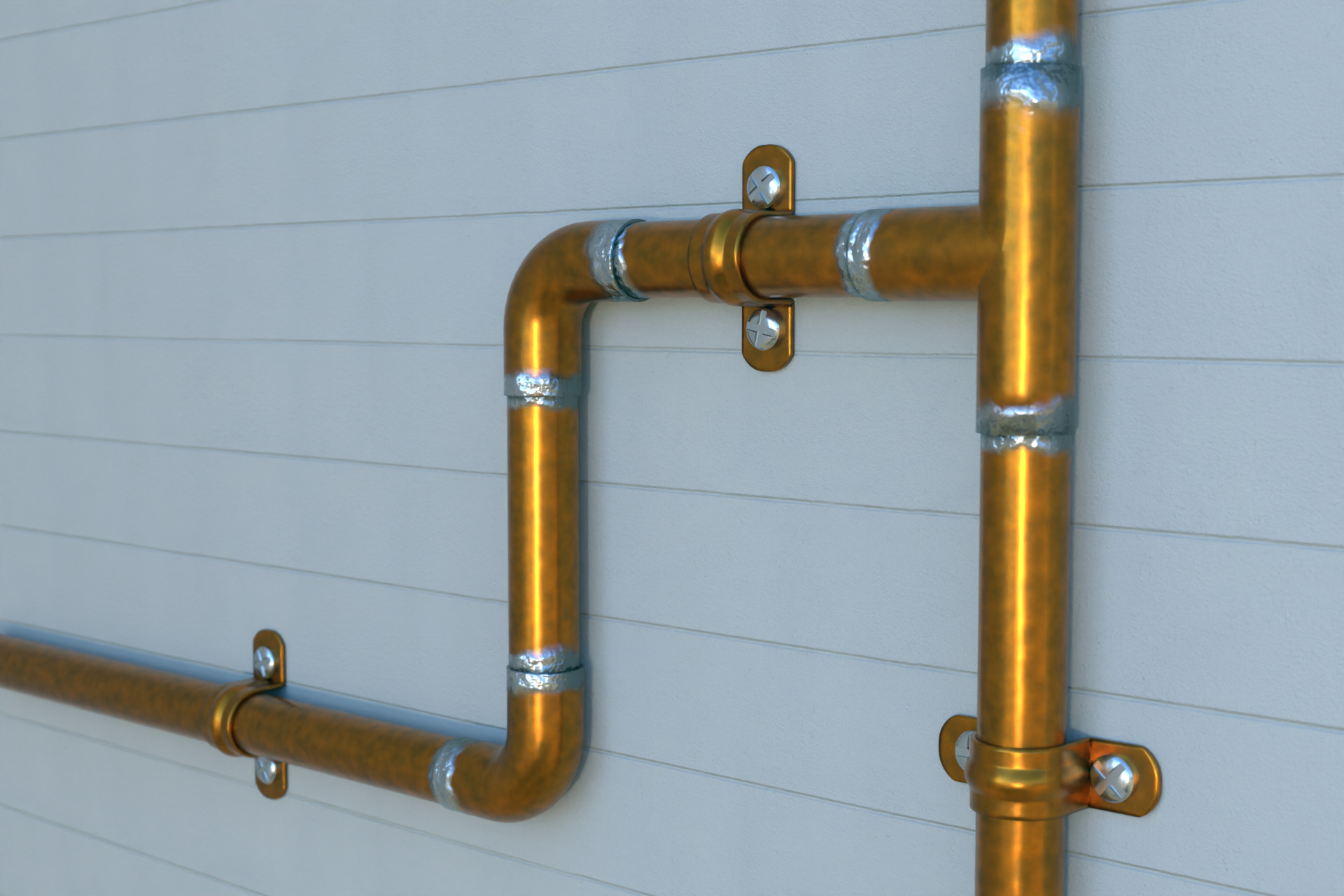
Copper is a high-quality, but expensive material for pipes. The cost of one foot of copper pipe varies from $2 to $4. House repipe with copper pipes in a 1,500 square foot house with two-bathrooms costs from $8,000 to $10,000.
Advantages of Copper Pipes
- Very strong and not deformed
- Service life is 50–70 years
- Suitable for outdoor installation
Disadvantages of Copper Pipes
- Prone to corrosion
- Can burst during prolonged frosts below 10 degrees Celsius
- Dissolved copper particles form blue-green spots on the surfaces of the shower and taps
- Difficult to install, which increases the replacement time and cost of work
- Very expensive material: the cost of replacing worn-out pipes with copper pipes in a high-rise building can be as high as $20,000
Cost to Repipe a House with PEX
PEX Pipes
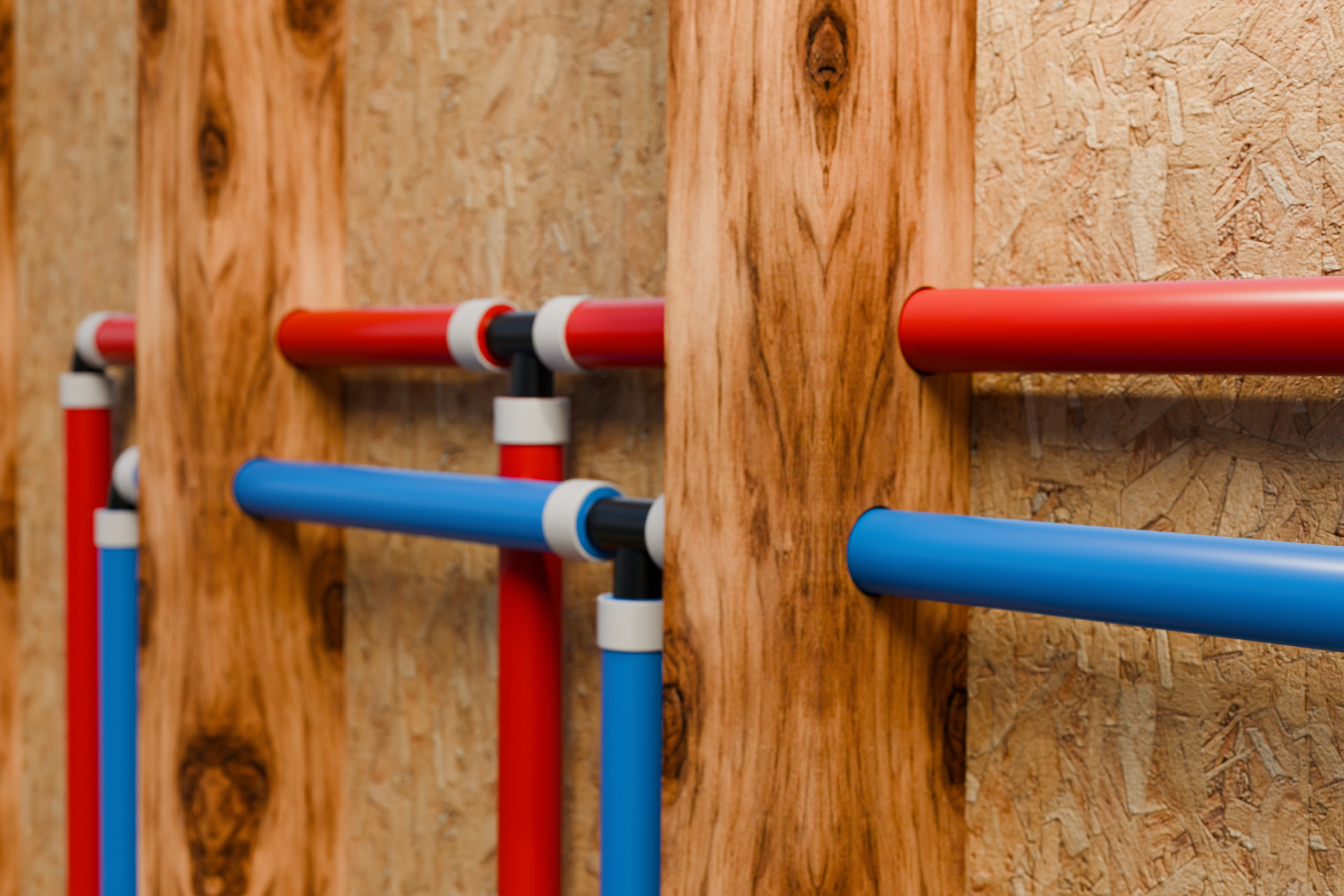
Polyethylene pipes are durable and save your budget at the same time. The cost of one foot of PEX pipe ranges from $0.50 to $2. House repipe with PEX pipes in a 1,500 square foot house with two-bathrooms costs from $4,000 to $6,000.
Advantages of PEX Pipes
- Flexible and simple to install
- Service life is 40–50 years
- Inexpensive option
Disadvantages of PEX Pipes
- Information about their safety is not confirmed
- Require special tools for installation
- They cannot be installed outdoors
- Rodents can damage the integrity of the pipe
How to Save Money on House Repipe in San Diego?
- Carefully monitor the age and condition of the pipes. Flood restoration will cost more than replacing pipes in a house.
- Contact reliable plumbing companies that have been operating in California for a long time and have positive reviews.
- Carefully study the experience of plumbers in the company of your choice—trust your pipes to professionals with at least 5 years of experience.
- Perform a plumbing inspection to assess the condition of the pipes. After an expert assessment, you may be offered an easier and cheaper way of house repiping.
- Choose the right moment: you can replace pipes during repairs.
- Carefully choose the material for new pipes. Plastic pipes are cheaper and more practical than copper pipes, which will save you a lot.
- Consult with a plumber about the scope of work. Perhaps you do not need to change all the pipes, but only the worn part of the water supply. You can also replace pipes in an open space if the hidden pipes are in good condition.
Summary
Do a house repipe if your pipes are worn out or if they are made of lead or polybutylene.
The estimated cost of a house repipe in San Diego is between $5,000 and $10,000.
The cost of house repipe depends on the size of the house, the availability of pipes, the material of the new pipes, and other factors.
One foot of such pipes costs from $0.50 to $1. Polyethylene pipes (PEX) is also an inexpensive option. One foot of PEX pipes will cost between $0.50 and $2. Copper pipes are the most expensive, ranging from $2 to $4 per foot.
House repipe with PEX pipes in a 1,500 square foot house with two-bathrooms costs from $4,000 to $6,000. With copper pipes, the price can go up to $10,000.