
Exploring the Downsides of Tankless Water Heaters: What You Need to Know

Efficiency and Cost
One of the most significant concerns with tankless water heaters is their upfront installation costs, which can be noticeably higher compared to traditional systems. Unlike standard water heaters that are relatively inexpensive to purchase and install, tankless models often require a larger initial investment, making them a bigger financial commitment at the start. This higher price can be a deciding factor for many homeowners who are working within a specific budget or looking for a more cost-effective short-term solution.
In addition to the unit itself, installation can involve extra expenses that are not always immediately obvious. Homeowners may need to upgrade their existing infrastructure, such as electrical wiring, gas lines, or ventilation systems, to properly support a tankless unit. These modifications can add to both the complexity and the total cost of installation. While tankless water heaters are known for their long-term energy savings and efficiency, it can take several years before those savings offset the initial investment through reduced utility bills, which is an important consideration when evaluating overall value.
Limited Output and Simultaneous Usage
Tankless water heaters are known for their on-demand hot water delivery, but they come with limitations in terms of output. Unlike traditional water heaters that store a large volume of hot water, tankless models heat water as it’s needed. This means they may struggle to keep up with high-demand scenarios, such as multiple showers running simultaneously in larger households. Homeowners in San Diego should consider their hot water usage patterns and household size when evaluating the suitability of a tankless water heater.
Installation and Maintenance Considerations
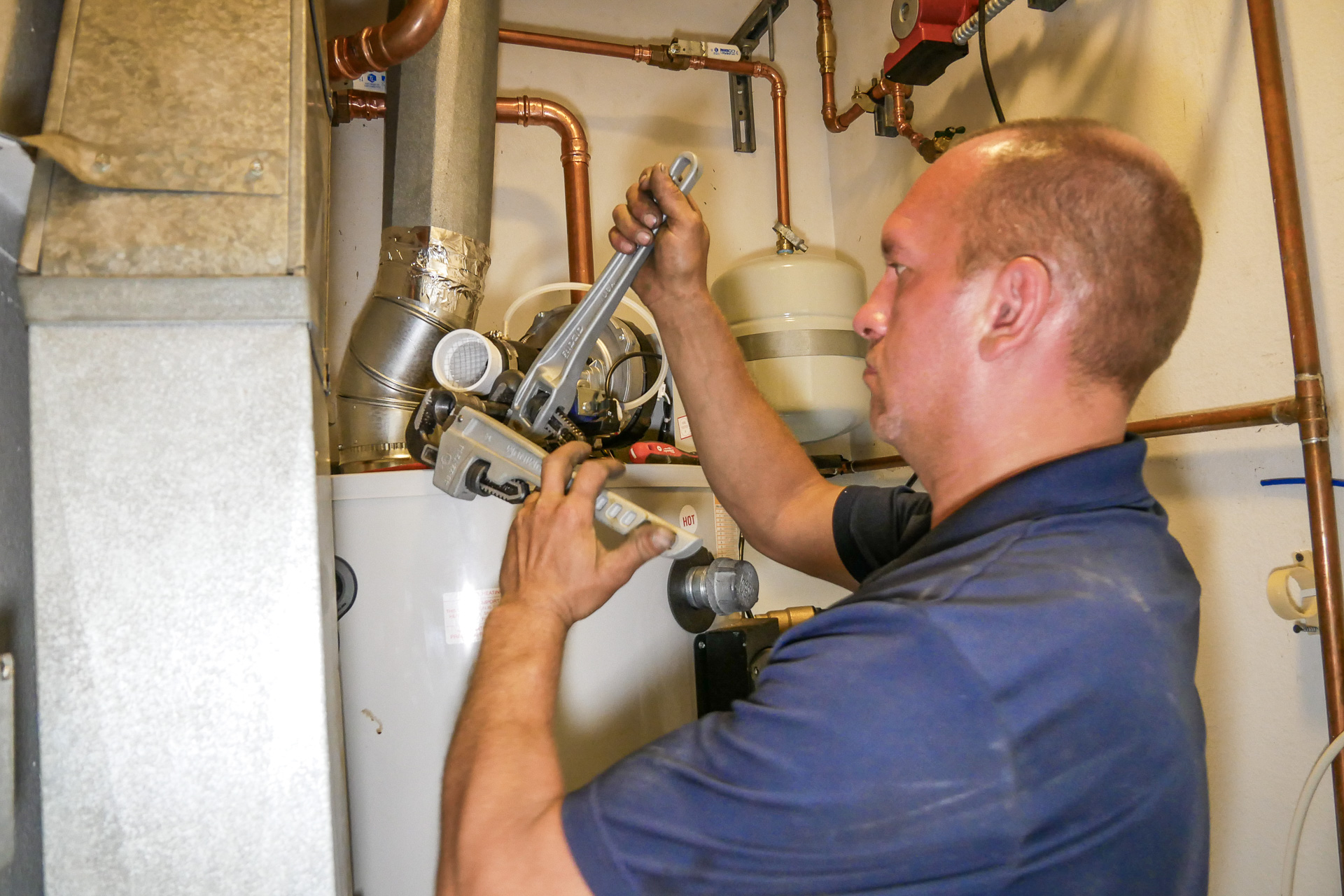
Installing a tankless water heater requires specialized knowledge and skills. Unlike traditional water heaters that can often be installed by homeowners or general contractors, tankless units typically require a licensed plumber with experience in handling these systems. Additionally, tankless water heaters have specific maintenance requirements, including periodic flushing to remove mineral buildup and ensure optimal performance. Failure to maintain a tankless water heater properly can lead to decreased efficiency and potentially costly repairs down the line.
Environmental Considerations
Tankless water heaters are often touted as environmentally friendly alternatives to traditional water heaters due to their energy efficiency. However, they’re not without environmental considerations. The manufacturing process of tankless units and their components may have environmental impacts, and the disposal of old units also raises concerns about proper recycling and waste management. Homeowners should weigh the environmental benefits and drawbacks of tankless water heaters when making their purchasing decisions.
Conclusion
While tankless water heaters offer numerous benefits, it’s essential for homeowners in San Diego, CA, to consider their downsides before making a decision. From upfront costs and limited output to installation and maintenance considerations, there are several factors to evaluate. By understanding the potential drawbacks of tankless water heaters, homeowners can make informed choices that align with their needs and preferences, ensuring reliable hot water supply for years to come.