
How Much Does It Cost to Fix Low Water Pressure?

Low water pressure, man, it’s a real pain, makes daily stuff like showering or washing dishes feel like it takes forever, you know? The price to get this sorted changes a lot based on what’s actually broken; things like gunked-up mineral deposits, a busted pressure regulator, or issues with your main water line can all drive up the cost. So, here, we’re gonna dig into why your water might be dribbling, what you can do to fix it, and what kind of cash you’re looking at to get that strong, steady flow back in your house.
Understanding the Factors That Influence Costs
Figuring out low water pressure always begins with wrapping your head around all the stuff that can bump up the repair bill. From what’s actually broken to how tricky it is to fix, a bunch of different things really decide that final price tag. It’s always the same story, really.
Low water pressure, it can come from all sorts of things, some easy fixes, some real head-scratchers. Usually, it’s because of stuff like:
- Mineral Deposits
- Faulty Pressure Regulators
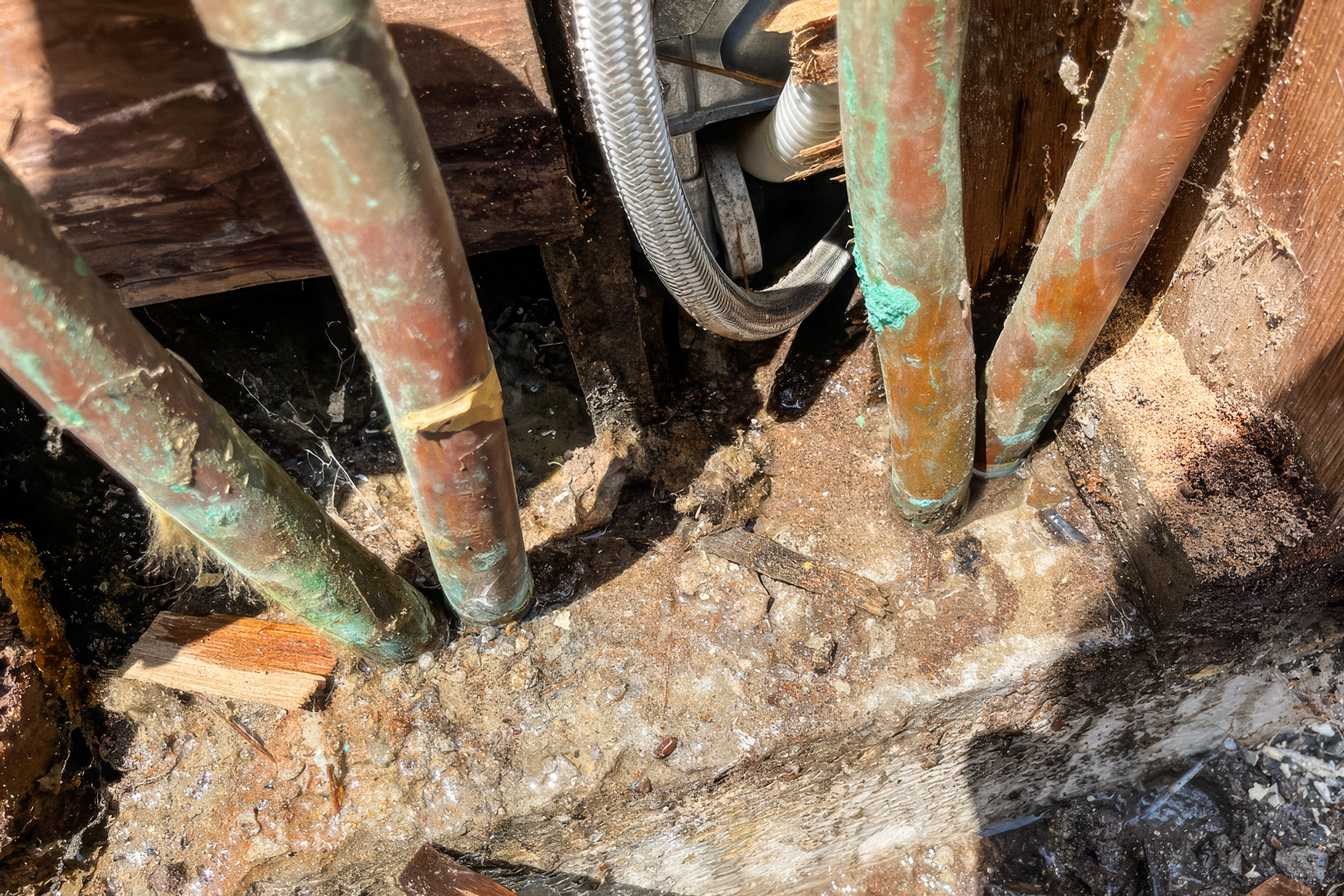
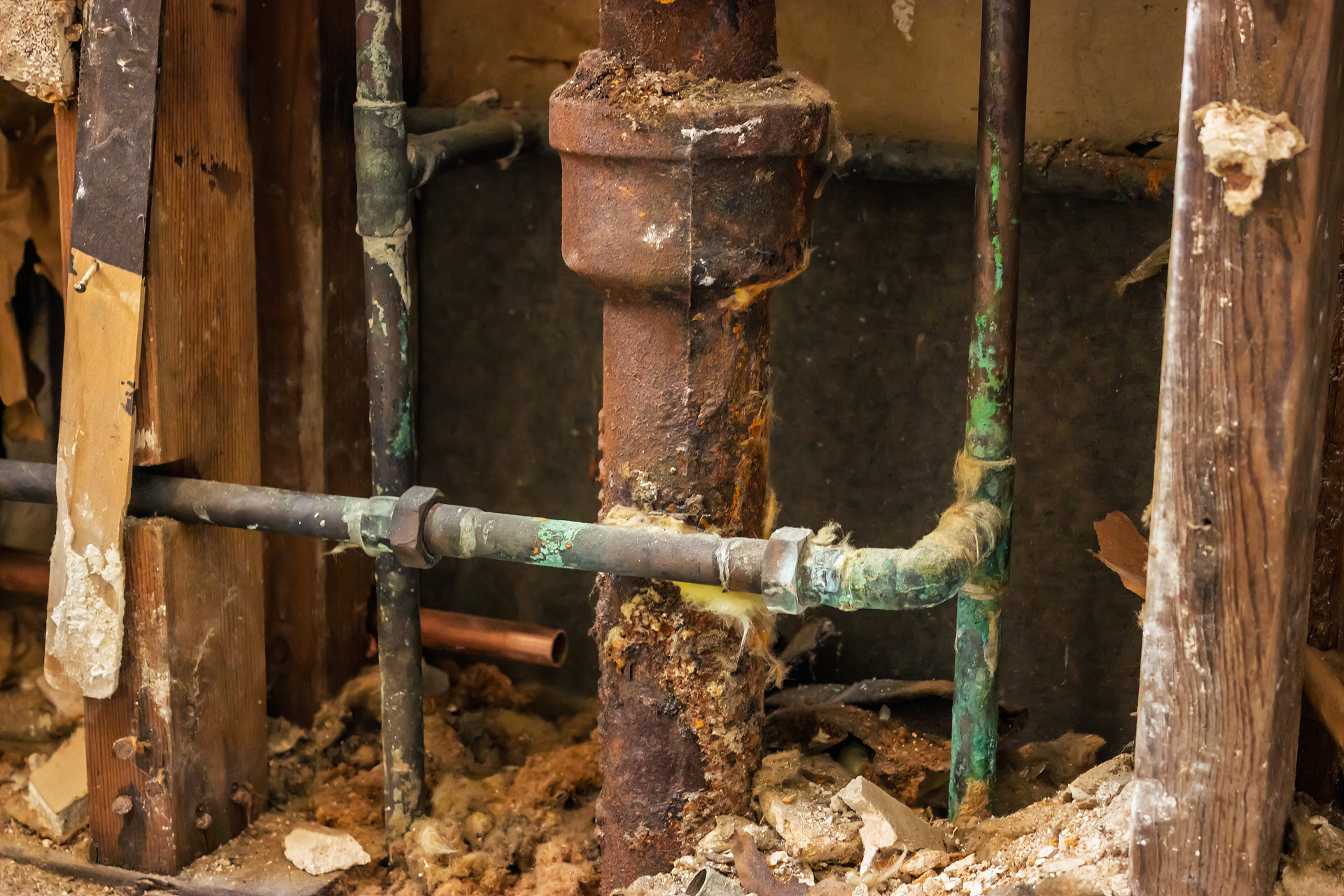
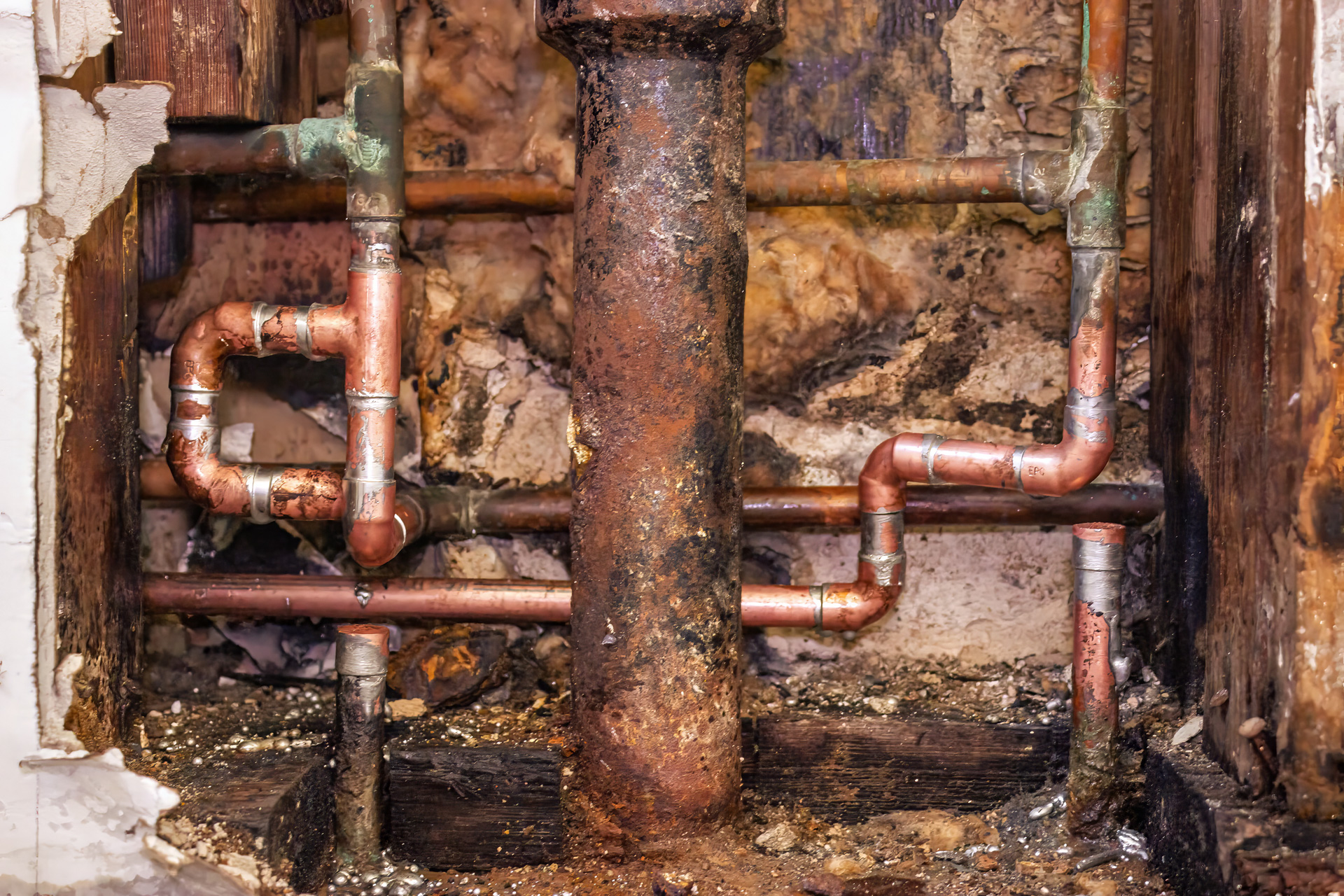
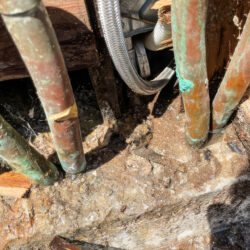
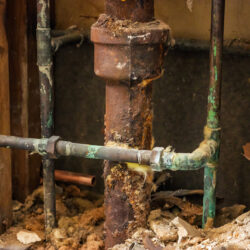
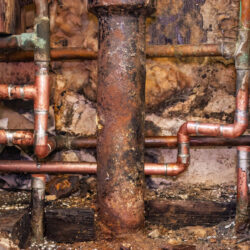
- Corroded Plumbing
- Municipal Water Supply Problems
Every single one of these situations needs a different way to fix it, which means the costs are gonna vary a lot.
First thing you gotta do when diagnosing low water pressure is figure out if it’s the whole house or just a few faucets. If it’s just one faucet or a showerhead barely trickling, then it’s probably just a clogged aerator or some crud built up inside. But if you got low pressure in a bunch of places, then you’re probably looking at something bigger, like a main water line blockage or a pressure regulator that’s gone bad.
You also gotta think about if the problem comes and goes or if it’s always low pressure. If it’s up and down all day, that could be because of changes in the city’s water supply. But if that low pressure is constant, then it’s probably a blockage somewhere in your plumbing system, old pipes wearing out, or even some hidden leaks. Spotting these trends early on helps everyone, homeowners and pros alike, get to a real fix.
Simple Fixes vs. Complex Repairs
Addressing low water pressure in your home can range from simple DIY fixes to complex repairs that require professional intervention.
Some solutions, like cleaning a clogged faucet aerator or adjusting the pressure regulator, are relatively straightforward and inexpensive.
However, addressing corroded pipes or system-wide low pressure can be more labor-intensive and costly, involving extensive diagnostics and repairs.
Understanding the difference will help you determine the best course of action.
Simple Fixes
A lot of times, low water pressure just comes from small issues, stuff homeowners can usually sort out with basic tools and not much know-how. Some easy DIY fixes are:
- Cleaning Faucet Aerators & Showerheads: Over time, mineral deposits and debris can build up in faucet aerators, restricting water flow and causing low water pressure. Cleaning or replacing the aerator is often a quick and inexpensive solution. A faucet aerator is a small device attached to the end of the faucet that helps regulate water flow and reduce splashing.
- Ensure Valves Are Fully Open: Partially closed main or fixture-specific shutoff valves can restrict water flow. Verifying that these valves are fully open can immediately improve water pressure.
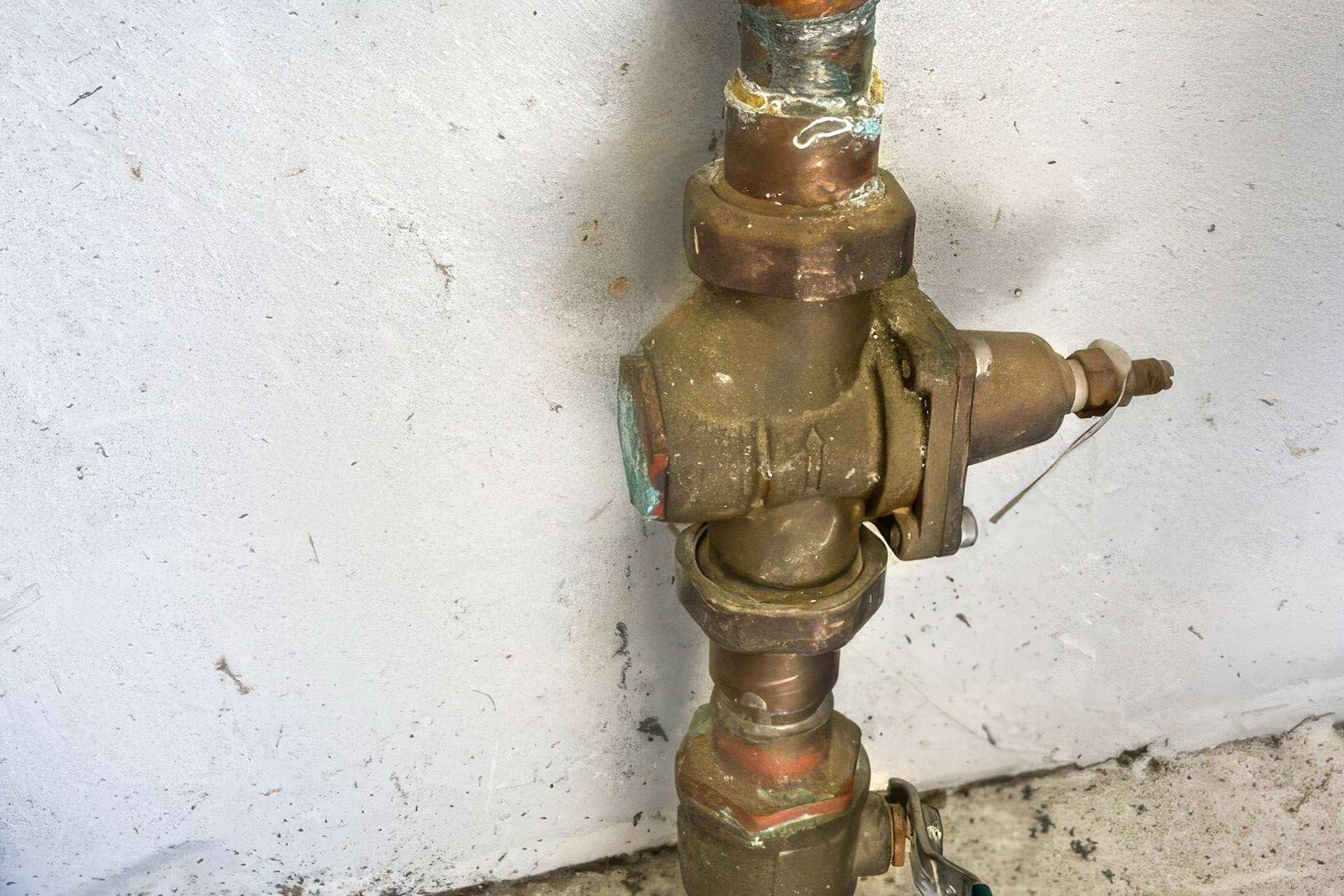
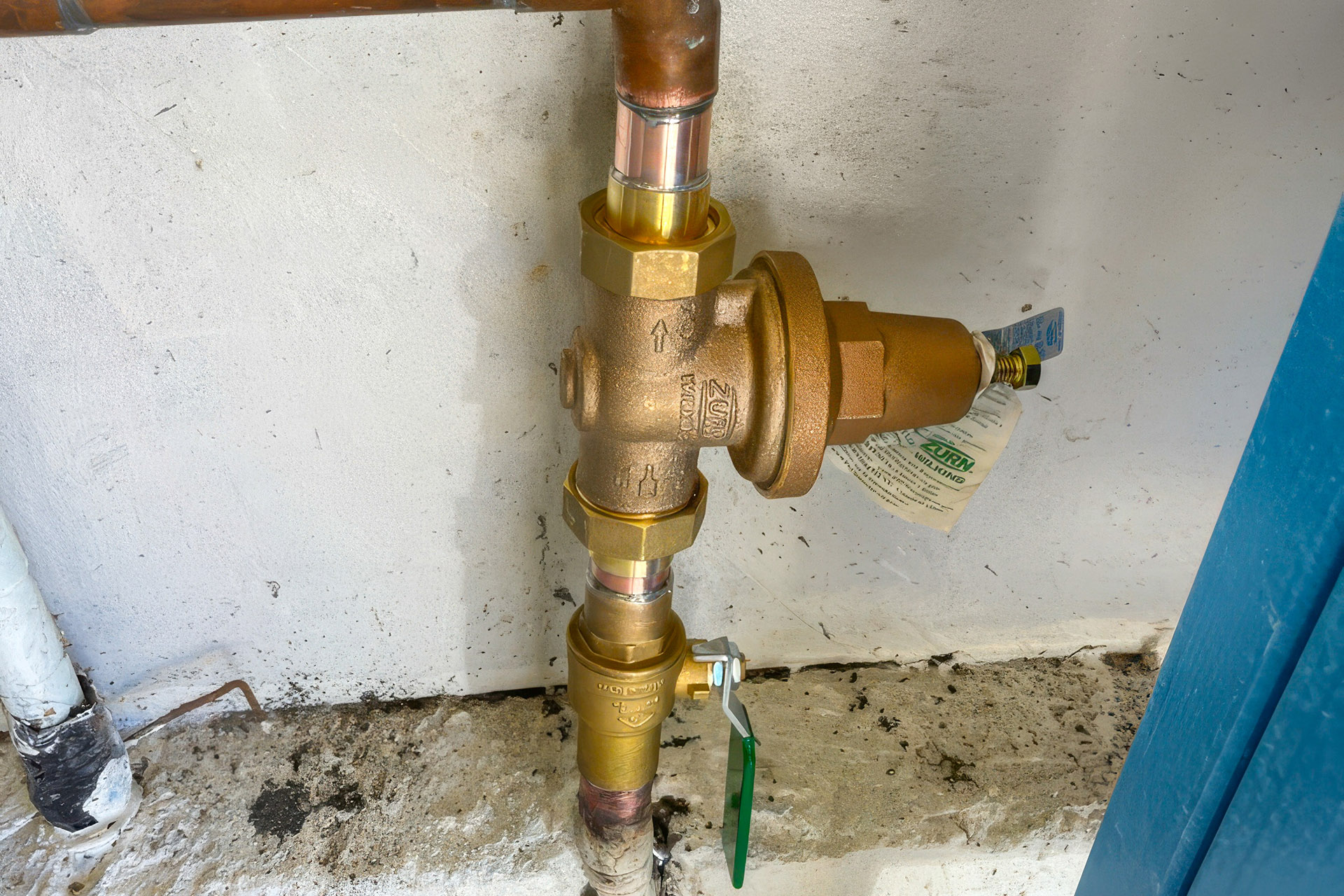
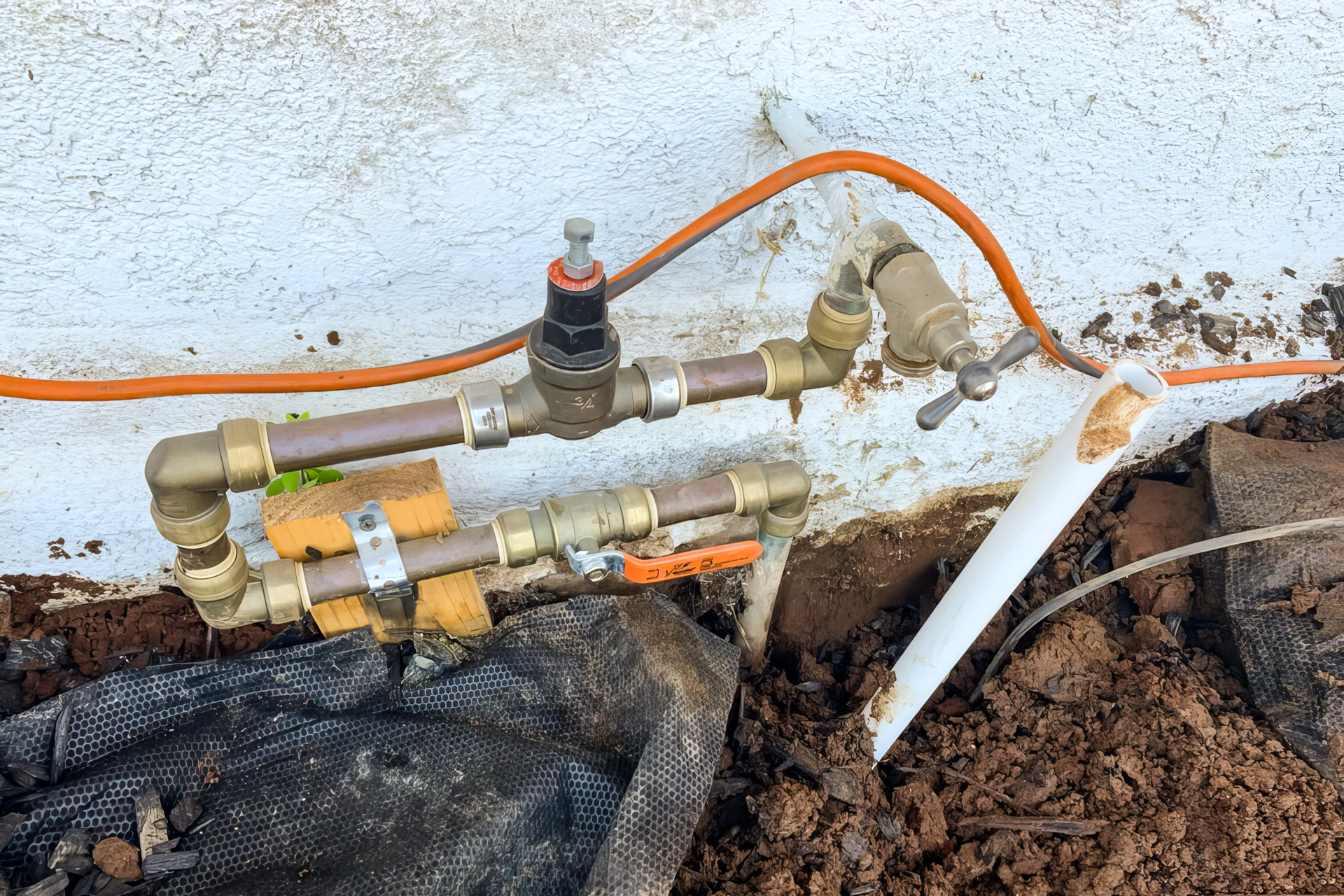
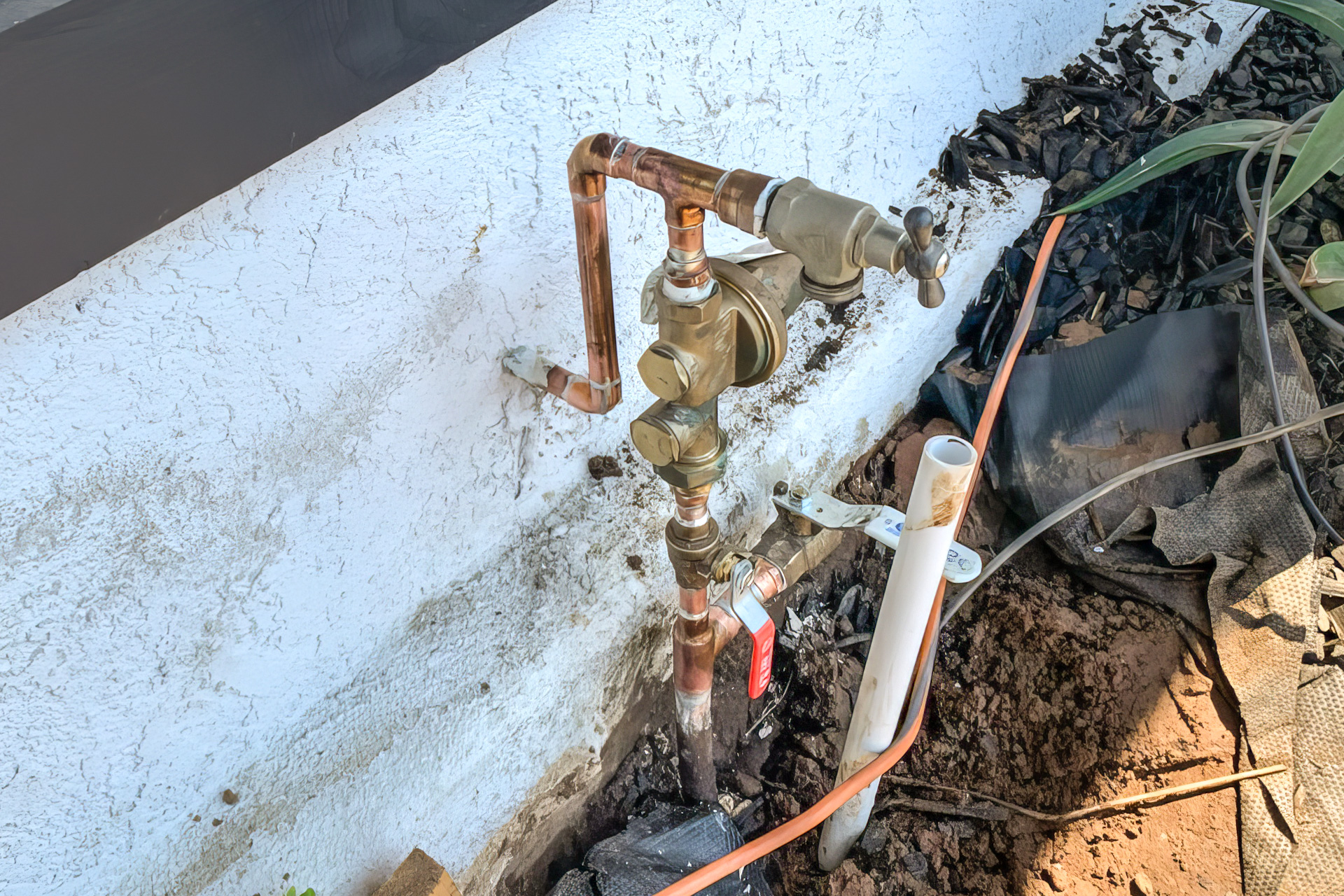
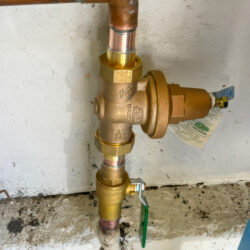
- Adjust Pressure Regulators: Homes equipped with pressure reducing valves can experience low pressure if the settings are incorrect. Adjusting the regulator can improve water flow; however, it’s advisable to follow the manufacturer’s guidelines or seek professional assistance to avoid over-pressurization.
Complex Repairs
Look, if those DIY fixes don’t get the job done, then that low water pressure probably means something more serious is going on, and you’re gonna need a pro to step in:
- Corrosion or Mineral Deposition in Tankless Water Heater: Mineral buildup inside a tankless water heater reduces efficiency and restricts water flow. Eventually, it can cause leaks or system failure. Descaling and flushing the tank every year, especially in areas with hard water like San Diego, helps prevent costly damage and maintain optimal performance.
- Hidden Leaks: Undetected leaks in the plumbing system can divert water away from the intended outlets, resulting in reduced pressure. Identifying and repairing these leaks often requires specialized equipment and expertise.
- Municipal Utility Problems: Sometimes the problem originates outside the home, such as problems with the municipal water supply. In these cases, it is necessary to contact the local water utility to resolve the situation.
Sure, homeowners can usually sort out the little stuff, but for bigger problems, you really ought to get qualified professionals involved. It’s for the safety and overall health of your home’s whole plumbing system, after all.
The Role of Professional Diagnostics
Good plumbing companies, like Almco Plumbing, they’ve got all the know-how and gear to pinpoint exactly what’s causing your water pressure headaches:
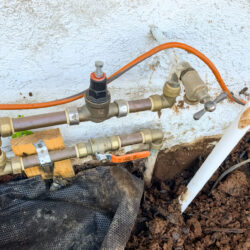
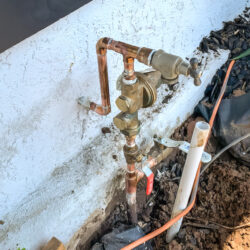
- Pressure Testing: By measuring water pressure at various points in the system, it identifies inconsistencies that may indicate underlying problems such as leaks or blockages.
- Step-by-Step Localization of the Problem: First, specialists check the pressure before and after the water heater to determine whether the problem lies in the hot or cold water. Then, they replace the problematic parts or perform repairs, and check if the problem is solved.
Plumbers who know their stuff, they can figure out the real reason for low water pressure a lot faster and with more accuracy. It’s just experience.
Benefits of Professional Diagnostics
There are several benefits to hiring a plumbing contractor to test and figure out issues.
Benefits
- Targeted Solutions: Accurate identification of the problem allows for targeted repairs, ensuring that the problem is solved the first time.
- Cost Efficiency: By pinpointing the problem, unnecessary labor and material costs are minimized, providing transparent, fair pricing.
- Preventive Insight: Thorough assessments can identify potential future problems, enabling you to perform proactive maintenance and avoid costly repairs down the road.
Material & Labor Costs
The price of parts and how much time it takes, that can really change the final bill. You know, top-notch replacement parts might cost more right away, but they often last way longer and perform better, which could actually save you cash in the long haul. It’s always a trade-off.
When you’re picking a reliable plumbing service, like Almco Plumbing here in San Diego, you’re not just getting expert diagnostics and repairs. You’re also getting straight-up pricing and guarantees on the work they do.
Remember, putting money into the right repairs doesn’t just sort out your immediate water pressure headaches, it also helps keep your plumbing system healthy for years to come.