
Replacing Sewer Pipes in a Home with a Crawl Space: Real Life Experience from Almco Plumbing
Replacing sewer pipes in homes with a pier-and-beam foundation (crawl space) is a challenging engineering task that demands skilled professionals and the use of modern technologies. In the case study below, Almco Plumbing outlines the key stages of replacing pipes under an old house, detailing the technologies, materials, and long-term outcomes for structural durability.
Client’s Issue & Working Conditions
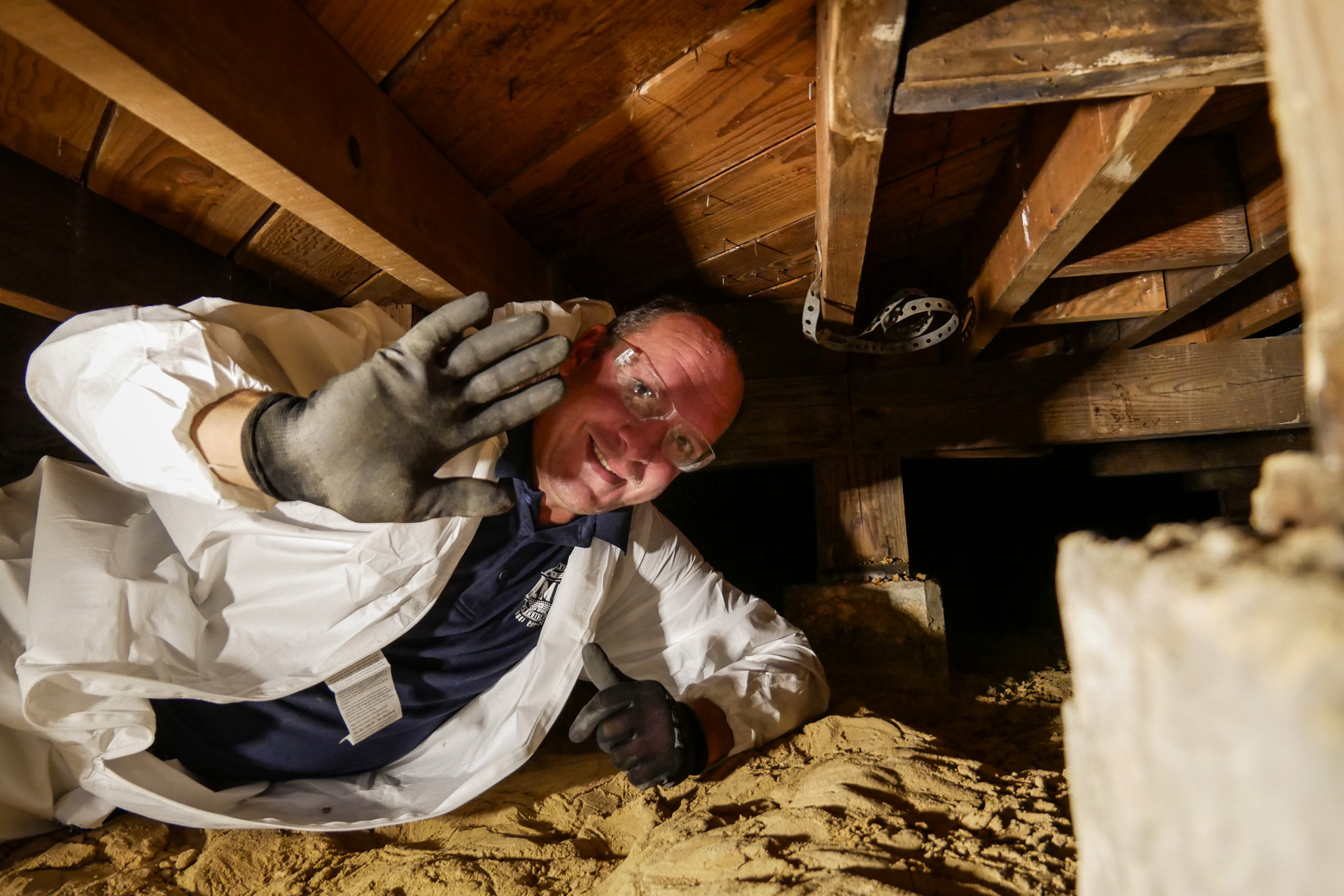
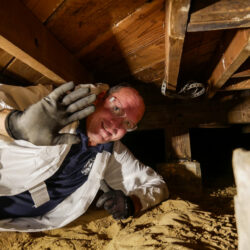
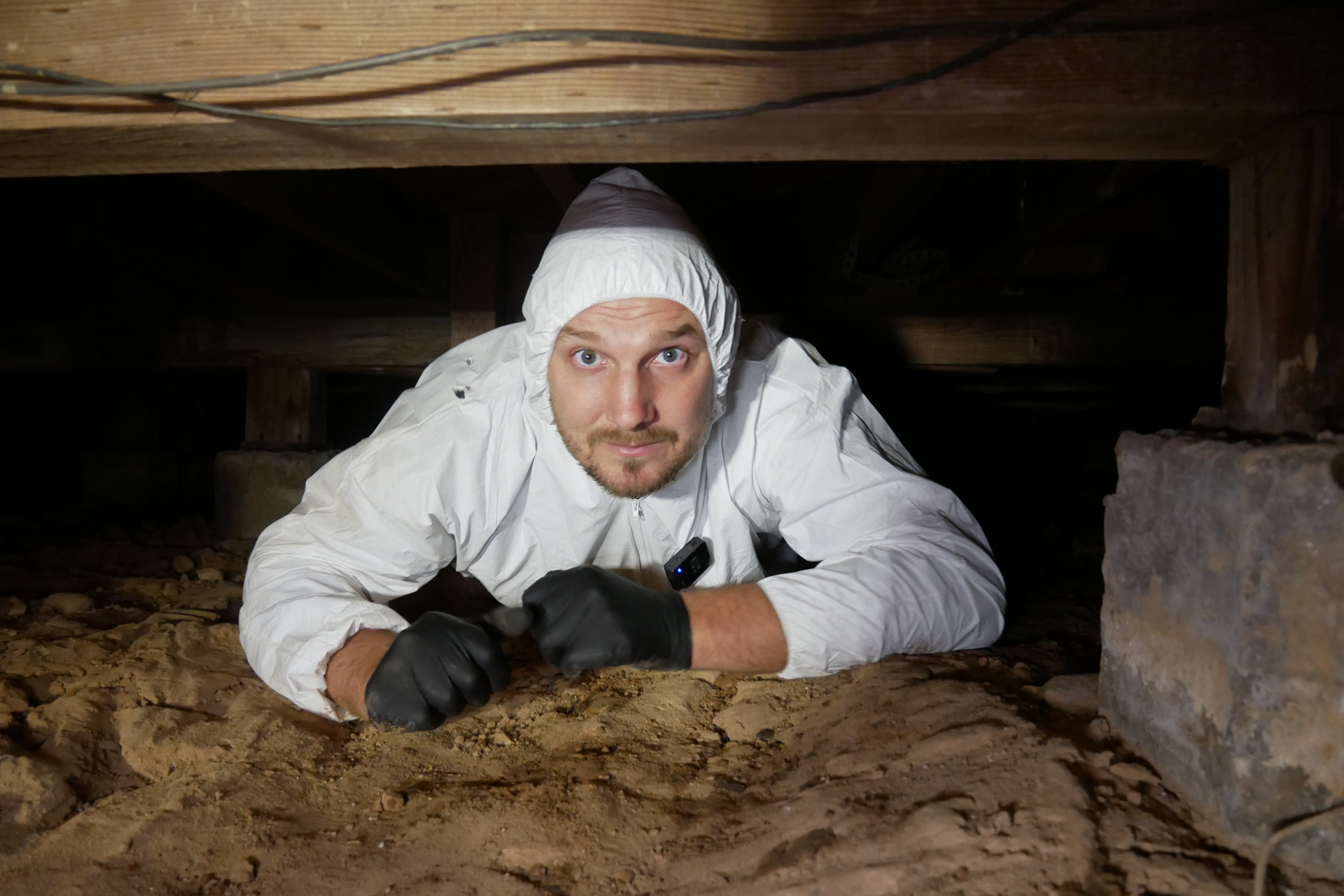
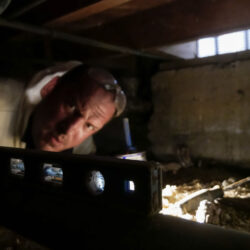
The client’s property, located in La Mesa, San Diego, California, needed repairs on a home with a pier-and-beam foundation. The old cast iron sewer pipes under the house were corroded, causing multiple leaks and flooding of the crawl space. While this foundation type allows for easier access to the crawl space, it also creates a tight work area—the crawl space height was only 18 inches. This forced the team to perform most of the work in very awkward positions, lying directly on the ground.
An additional challenge was the condition of the existing sewer system. The combination of challenging working conditions required thorough preparation and precise execution of the work.
Step-by-Step Description of the Sewer Repair Process
Before beginning the work, a comprehensive assessment of the existing sewer pipes was conducted. Special attention was given to maintaining cleanliness inside the home, using protective floor and wall coverings to prevent any contamination.
Stage 1: Removal of Old Pipes
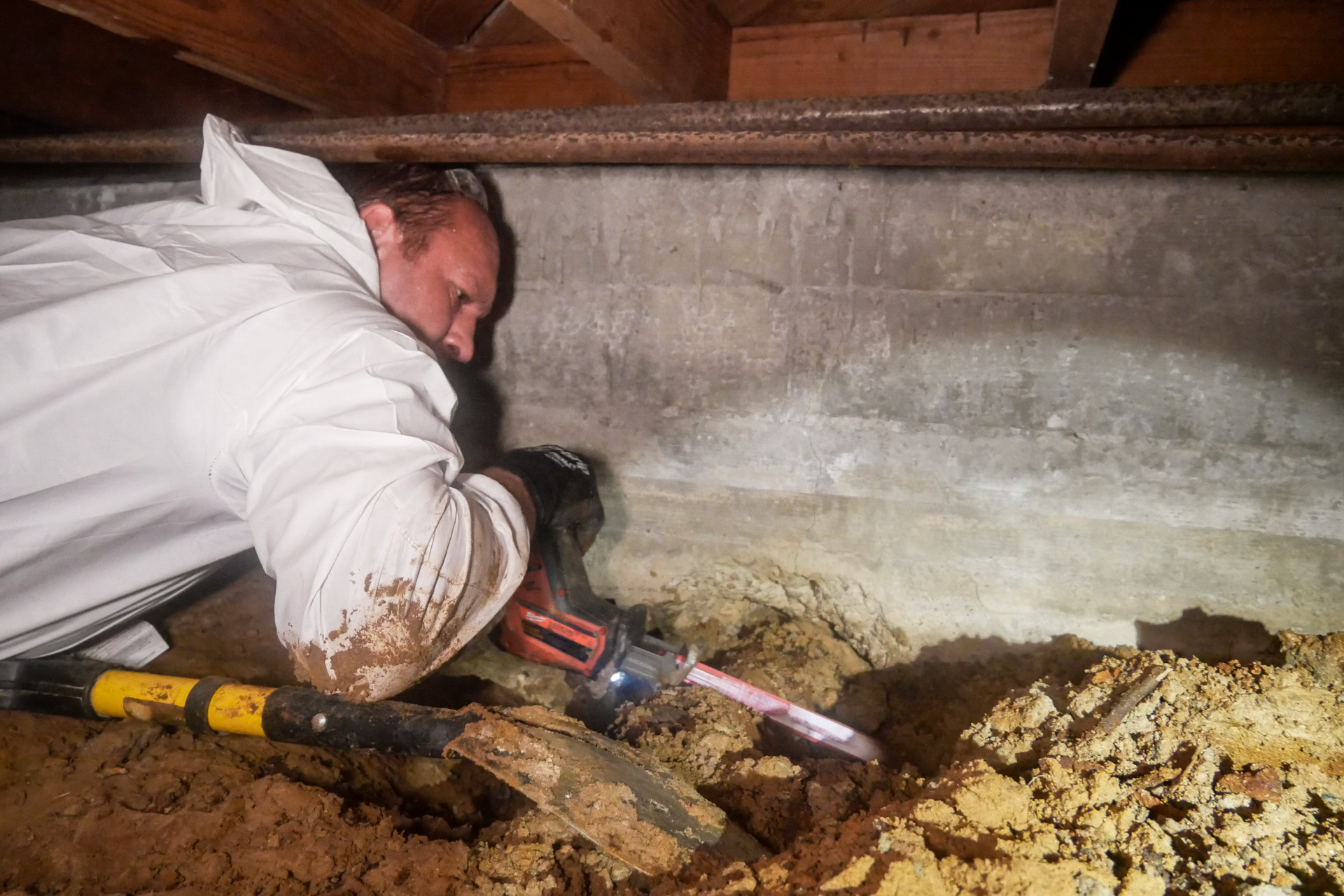
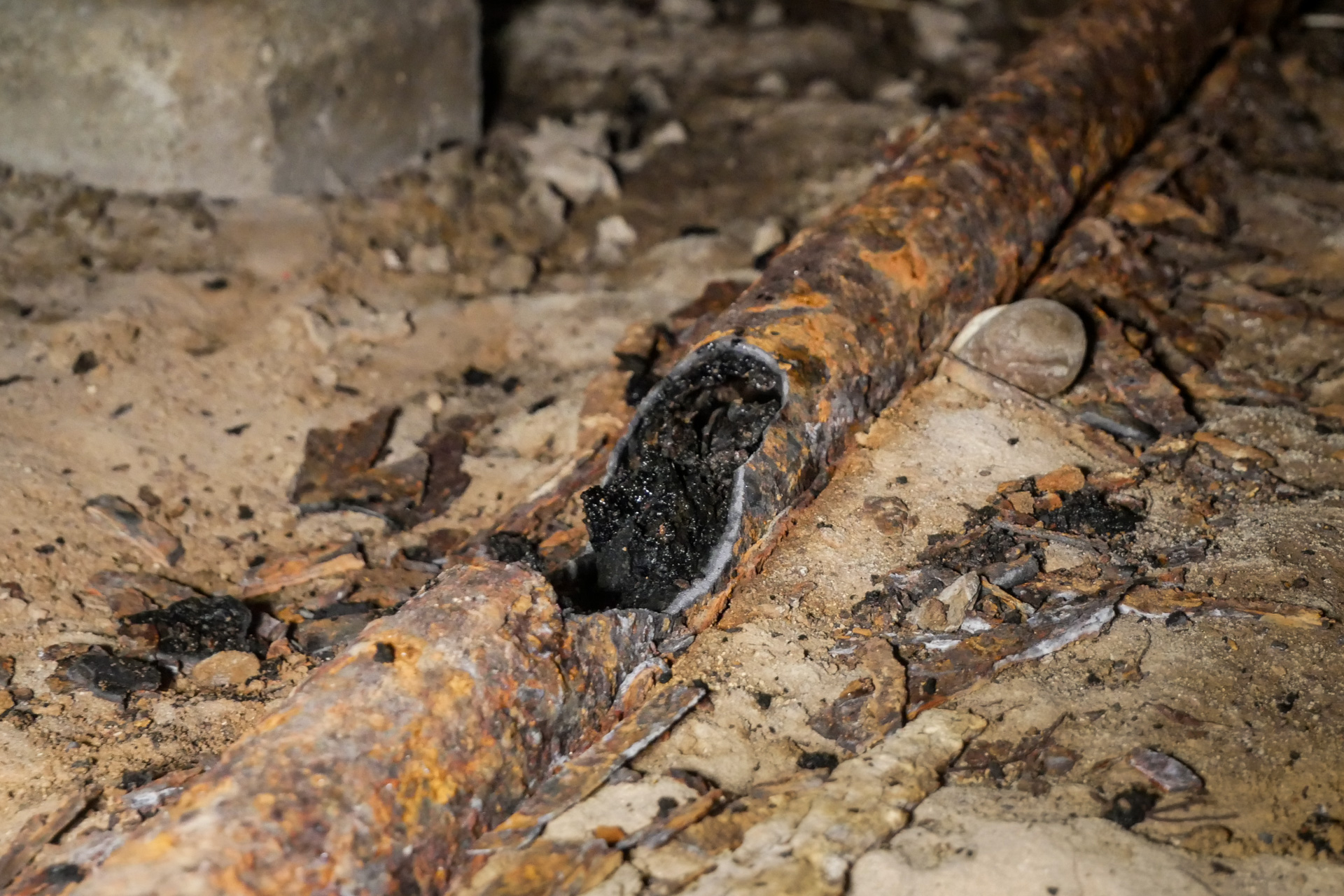
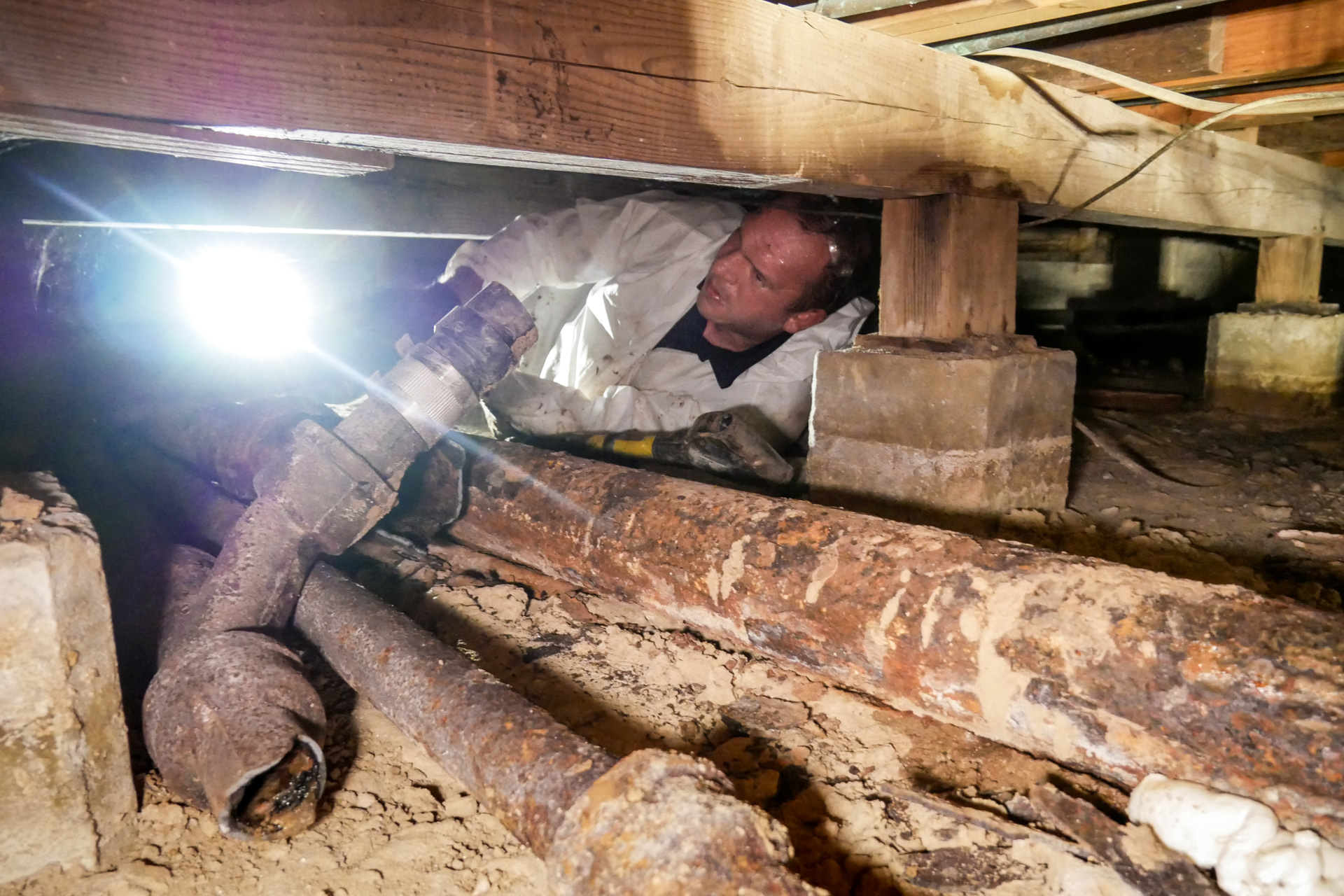

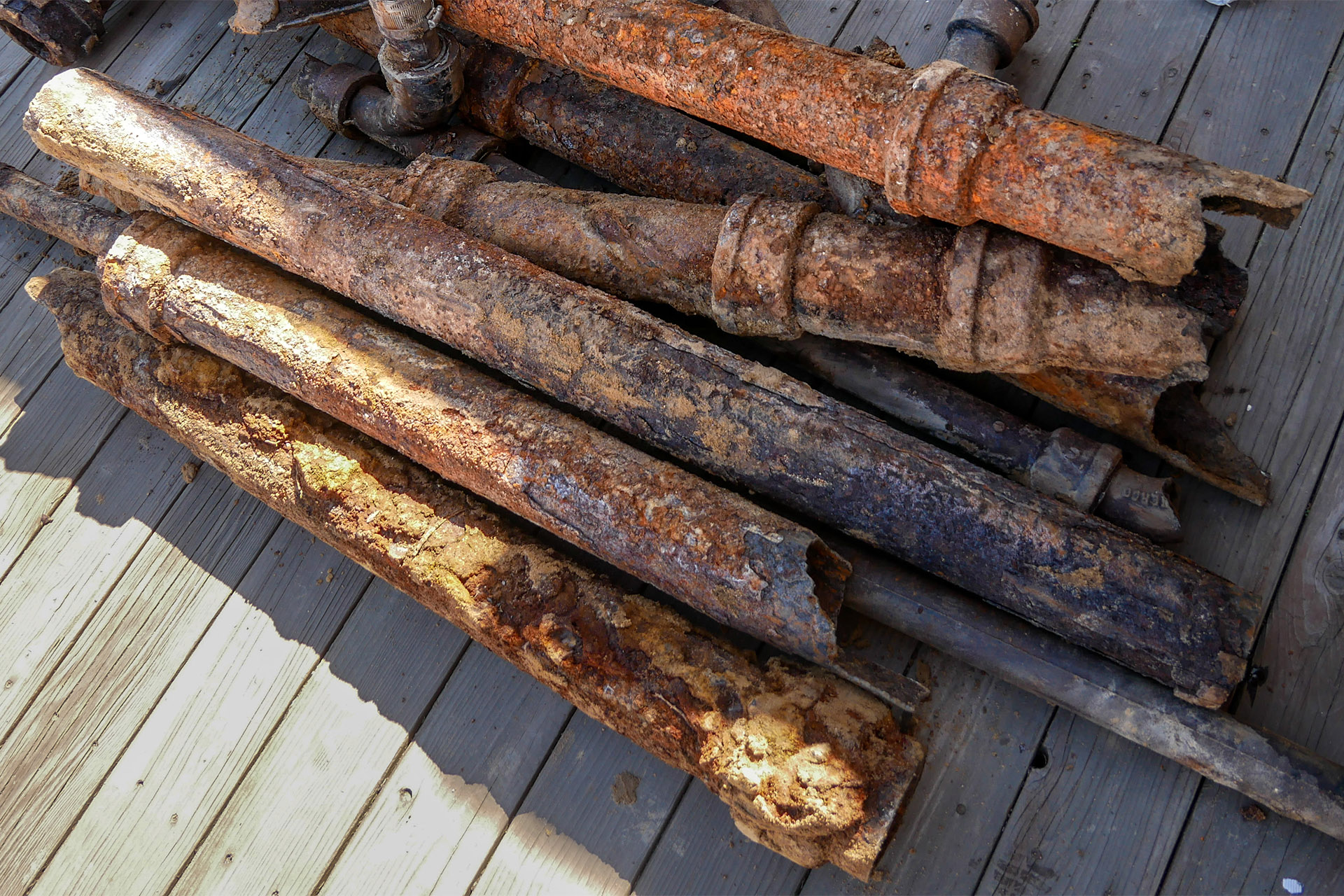
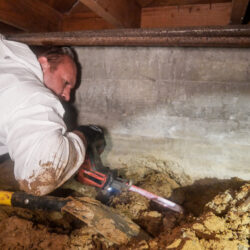
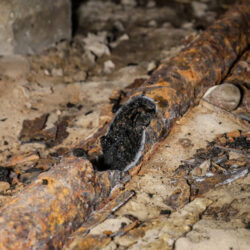
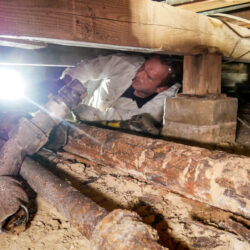
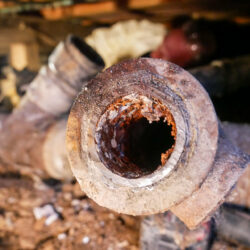
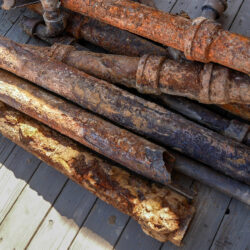
After preparation, the team began removing the wall coverings in areas where the pipes were located. Dismantling the old lines involved targeted cutting and manual disassembly, which clearly highlighted the severe degree of internal wear. Once demolition was complete, the ground and surfaces in the crawl space were thoroughly dried out to eliminate remaining moisture caused by long-term leaks.
Stage 2: Installation of the New System
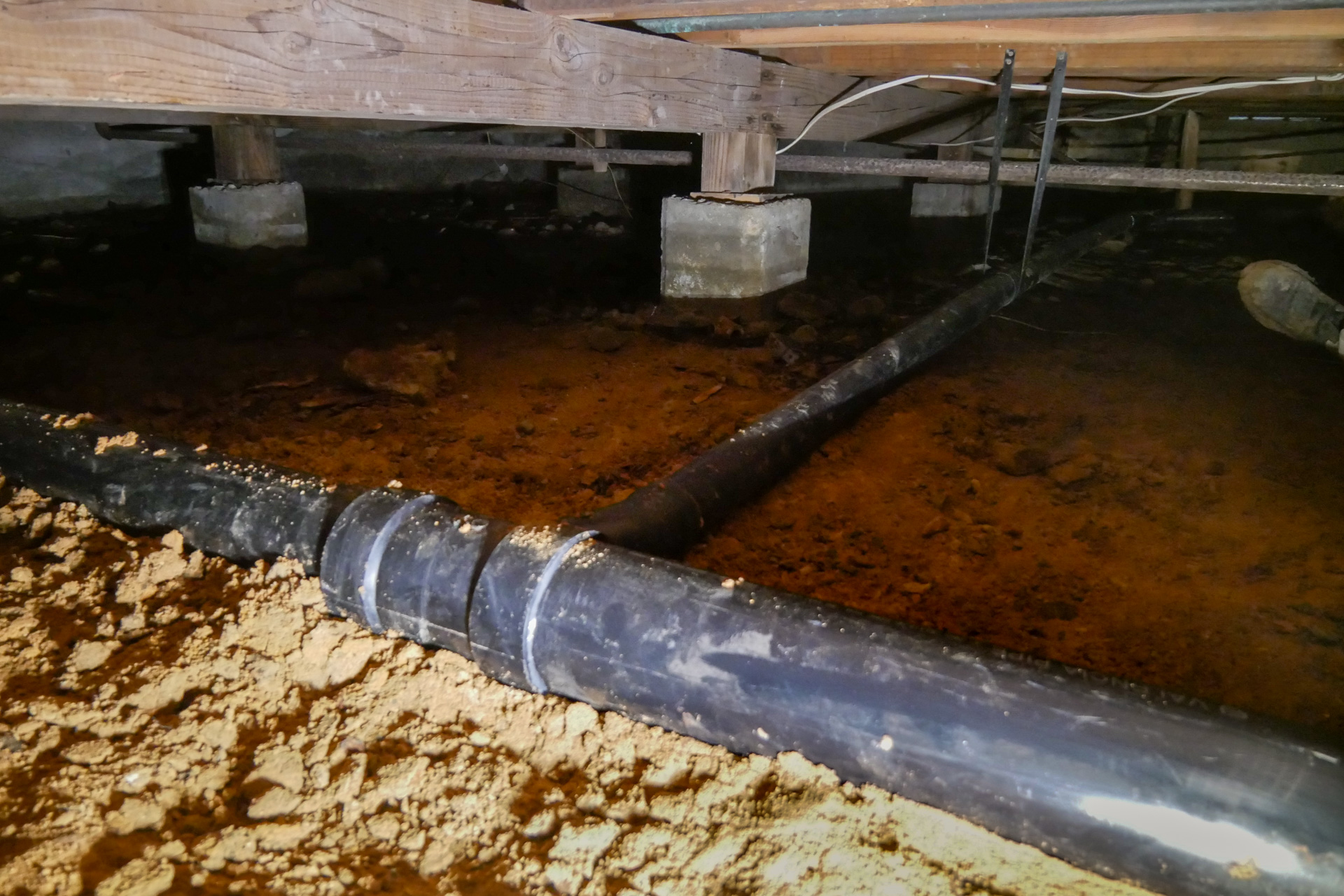
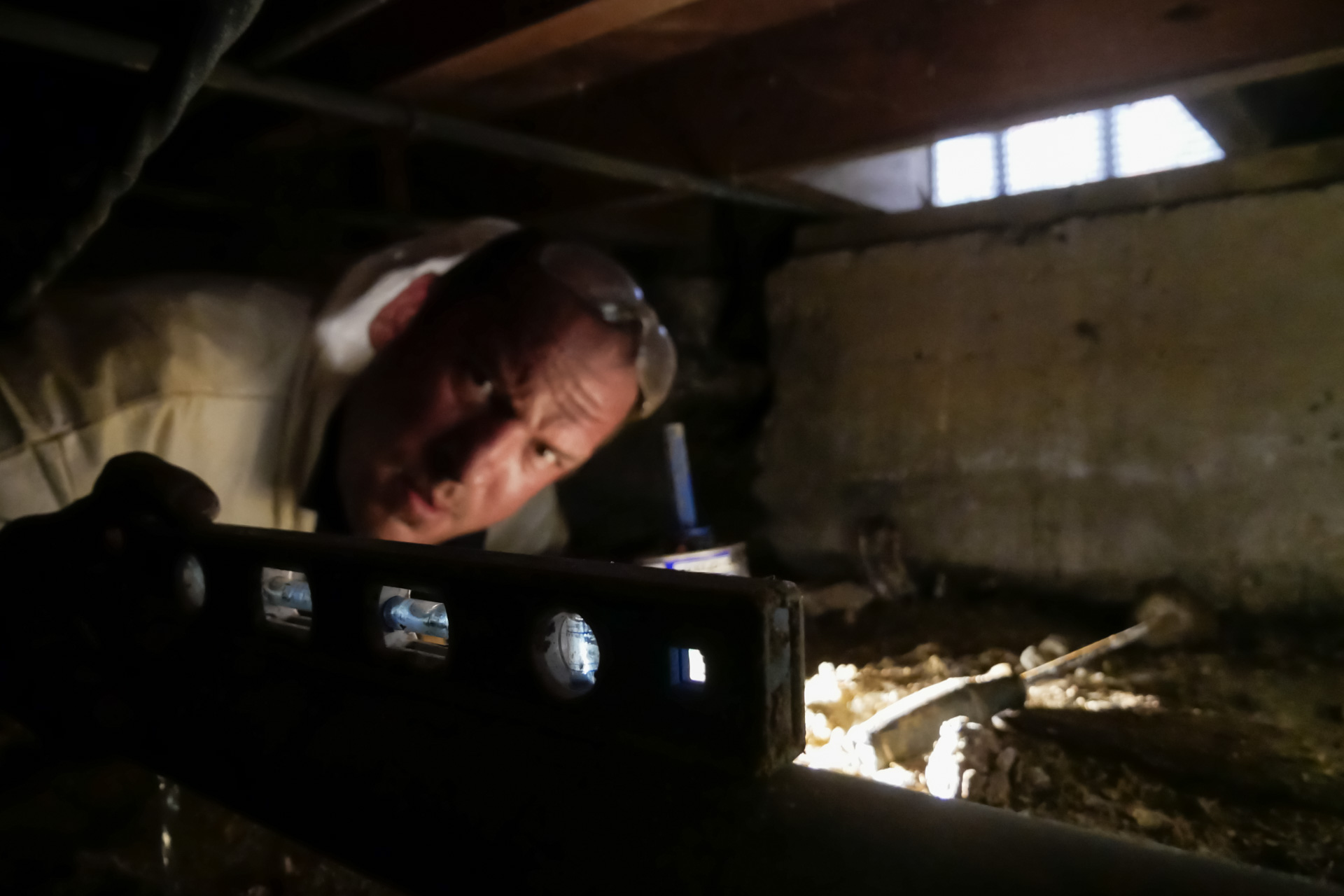
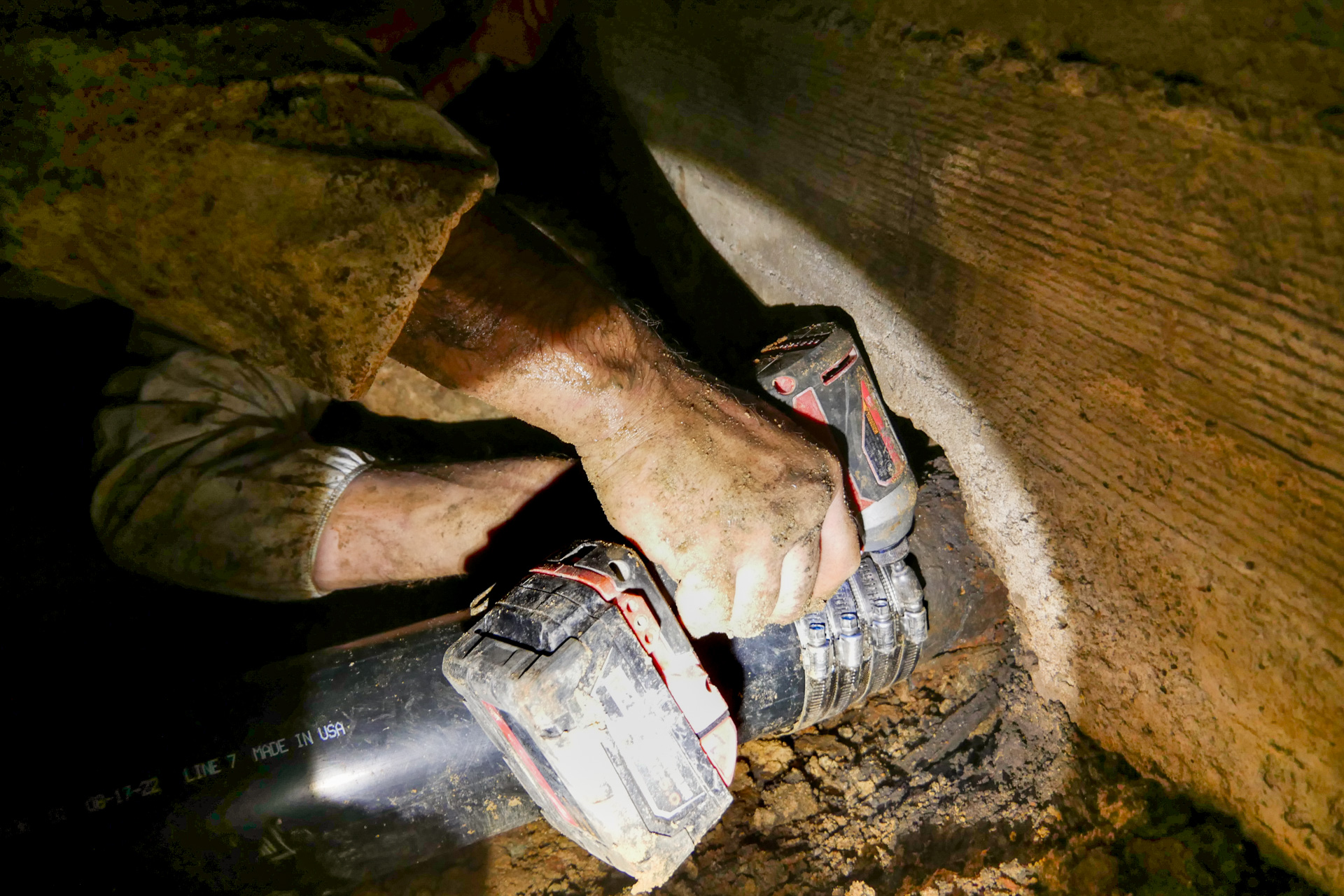
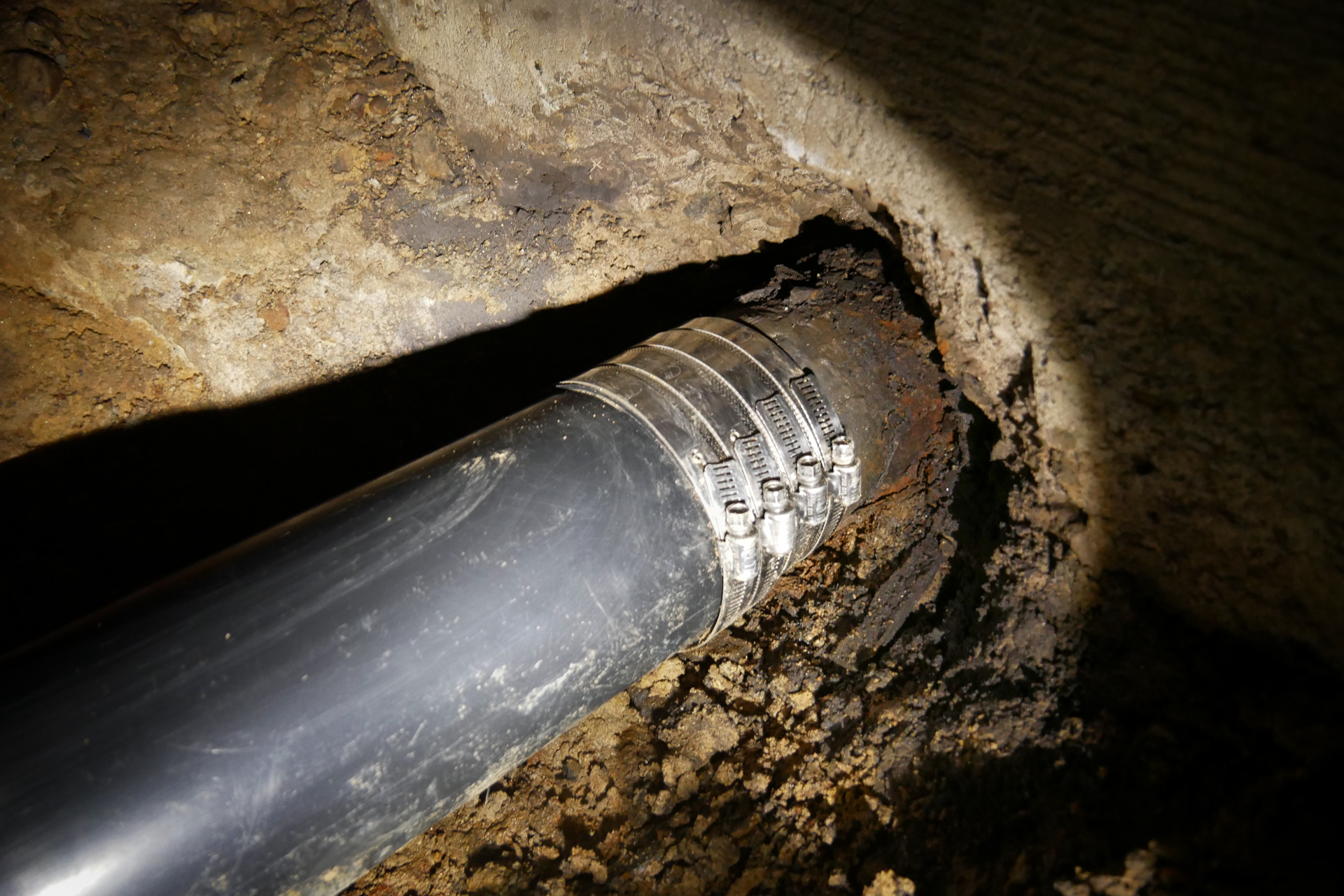
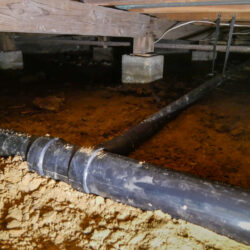

For the new sewer installation, modern ABS piping was selected for its high impact resistance and long-term performance under crawl space conditions. Key execution phases included:
- Measuring & Preparing the Pipes: Each section was measured and precision-cut to maintain proper grade and fit.
- Connecting the Elements: New pipes were solvent-welded using heavy-duty ABS cement and reinforced with rubber couplings for a dependable, leak-proof seal.
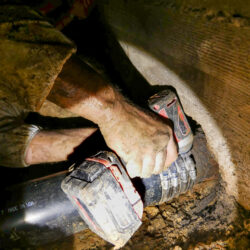
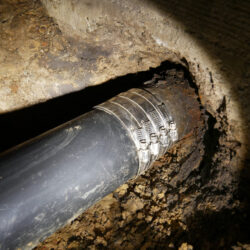
- Connecting to the Municipal Sewer System: The existing cast-iron city branch was ground down to clean metal using an angle grinder with a flap disc, then tied in using a rubber gasket and heavy-duty metal bands.
Stage 3: Testing & Final Inspection
After assembly was complete, Almco Plumbing specialists conducted rigorous system testing, verifying airtightness, flow capacity, and structural integrity under full flow conditions before handing the system back to the homeowner.
Conclusion & Insights
Working within the tight confines of a crawl space requires specialized technique and high-grade materials. Using modern ABS plastic piping and solvent-weld compounds significantly enhances pipeline longevity while resisting future corrosion.
We strongly advise owners of older properties to perform regular diagnostic camera checks. Addressing failing lines before an active leak floods the crawl space is far more cost-effective than emergency remediation and full structural drying.