
How to assess trenchless sewer replacement options

When a sewer line fails, the first instinct many San Diego homeowners have is to brace for torn-up yards, broken concrete, and weeks of disruption. Traditional open-cut replacement earns that reputation. But before you call anyone with a backhoe, it pays to properly assess trenchless sewer replacement options first. These methods can restore a failing line in a single day, without destroying your landscaping or driveway, and often at a lower total cost. This guide walks you through the technologies, the preparation steps, the installation process, and how to verify the work is done right.
Key Takeaways
| Point | Details |
|---|---|
| Trenchless repair basics | Trenchless sewer replacement methods provide less disruptive ways to repair or replace pipes underground. |
| Method selection | Pipe condition and site factors determine whether lining or bursting is the best trenchless option. |
| Preparation matters | Proper camera inspection and site preparation are essential for successful trenchless replacement. |
| Quick and durable | Trenchless repairs usually complete in a day and offer long-lasting solutions with minimal property damage. |
| Local compliance | San Diego homeowners must follow local rules on permits and lateral responsibilities to avoid delays. |
Understanding trenchless sewer replacement methods
Trenchless sewer repair is not a single technology. It is a category of methods, each suited to different pipe conditions, damage levels, and project goals. Knowing which method fits your situation is the first step when you evaluate sewer replacement methods for your property.
The two primary trenchless methods are:
- Cured-In-Place Pipe (CIPP) lining: A resin-saturated liner is inserted into the damaged pipe and then cured in place, creating a new pipe within the old one. This works best when the host pipe still has at least 25% of its wall intact and the pipe has not collapsed.
- Pipe bursting: A bursting head is pulled through the old pipe, fracturing it outward while simultaneously pulling a new HDPE (high-density polyethylene) pipe into position. This method is ideal for severely deteriorated or collapsed lines.
Choosing between these two comes down to a few key factors. Pipe bursting is the right call when corrosion, root intrusion, or physical collapse has left the existing pipe structurally compromised. CIPP lining works well when the pipe shape is mostly intact but the interior surface is cracked, corroded, or leaking at joints. Soil conditions matter too. In San Diego, where clay-heavy soils shift seasonally, pipe bursting can be complicated if surrounding soil is too dense or if adjacent utilities are close by.
One important tradeoff to understand: CIPP lining reduces diameter by 6-12% but offers a 50-plus-year lifespan, while pipe bursting maintains or even increases pipe diameter for severely damaged lines. If your existing sewer line is already undersized, that diameter reduction from CIPP could affect flow capacity. Your contractor should account for this during the assessment phase.
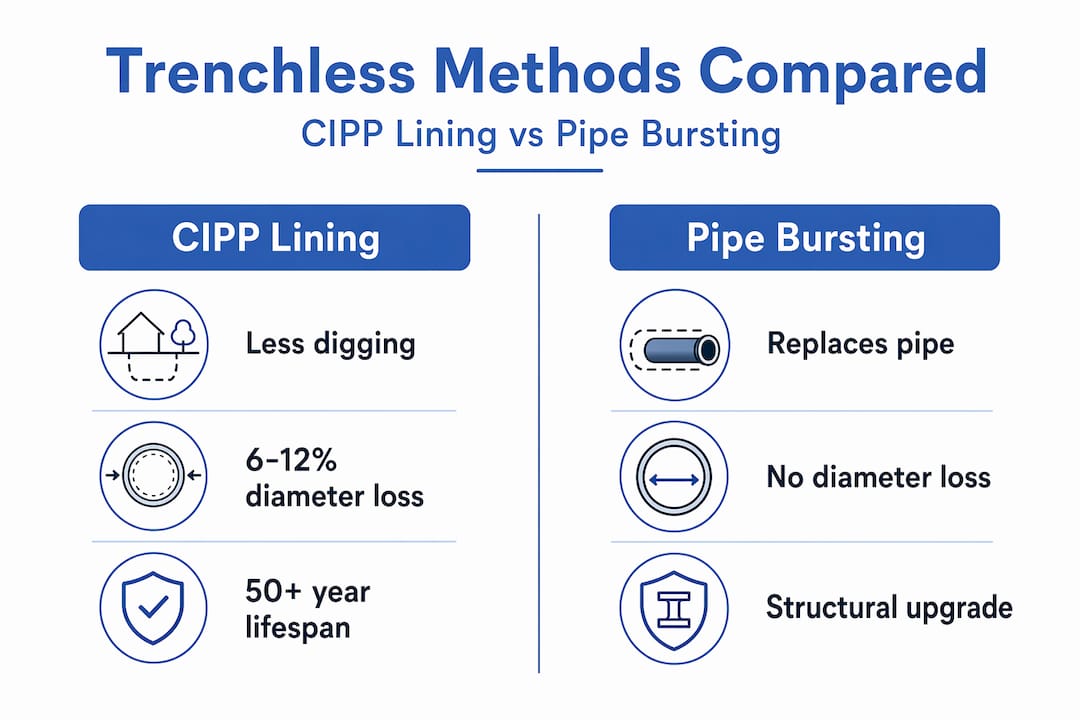
The trenchless sewer repair guide from Almco Plumbing covers these methods in greater depth if you want to go further on the technical side.
| Method | Best application | Cure time | Structural capacity | Diameter impact |
|---|---|---|---|---|
| CIPP lining | Cracked, leaking, or corroded pipes with intact shape | 2-8 hours depending on cure method | 50+ year lifespan | Reduces by 6-12% |
| Pipe bursting | Collapsed, severely damaged, or root-destroyed pipes | Same-day installation | Full structural replacement | Maintains or increases |
| Polyurea spray lining | Joint repairs, manholes, semi-structural fixes | Seconds to minutes | Semi-structural | Minimal reduction |
Preparing your San Diego property for trenchless sewer replacement
With a clear grasp of methods, let’s look at how to properly prepare your property for trenchless sewer replacement. Skipping this phase is one of the most common reasons trenchless repairs fail early.
- Schedule a camera inspection. A CCTV camera inspection is non-negotiable. It tells you the pipe’s current condition, the location and type of damage, and whether the pipe wall has enough integrity for CIPP lining. Without this, you are guessing.
- Assess pipe wall integrity. Confirm that at least 25% of the original pipe wall remains before selecting CIPP. If the wall is more compromised than that, pipe bursting is the safer choice.
- Locate your cleanouts. Trenchless installation typically enters through existing cleanout access points. If your property lacks accessible cleanouts, your contractor may need to install one. This is a minor addition that saves significant cost later.
- Understand permit requirements. California homeowners are responsible for sewer laterals from the foundation to the property line, and trenchless repairs via existing cleanouts may not require city permits if classified as repairs rather than replacements. Structural replacements, however, typically do require permits and inspections. Confirm with your contractor and the City of San Diego before work begins.
- Protect your worksite. Even though trenchless work requires minimal excavation, the area around access points should be cleared. Move vehicles, potted plants, and outdoor furniture. Mark any irrigation lines or landscaping features near the sewer path.
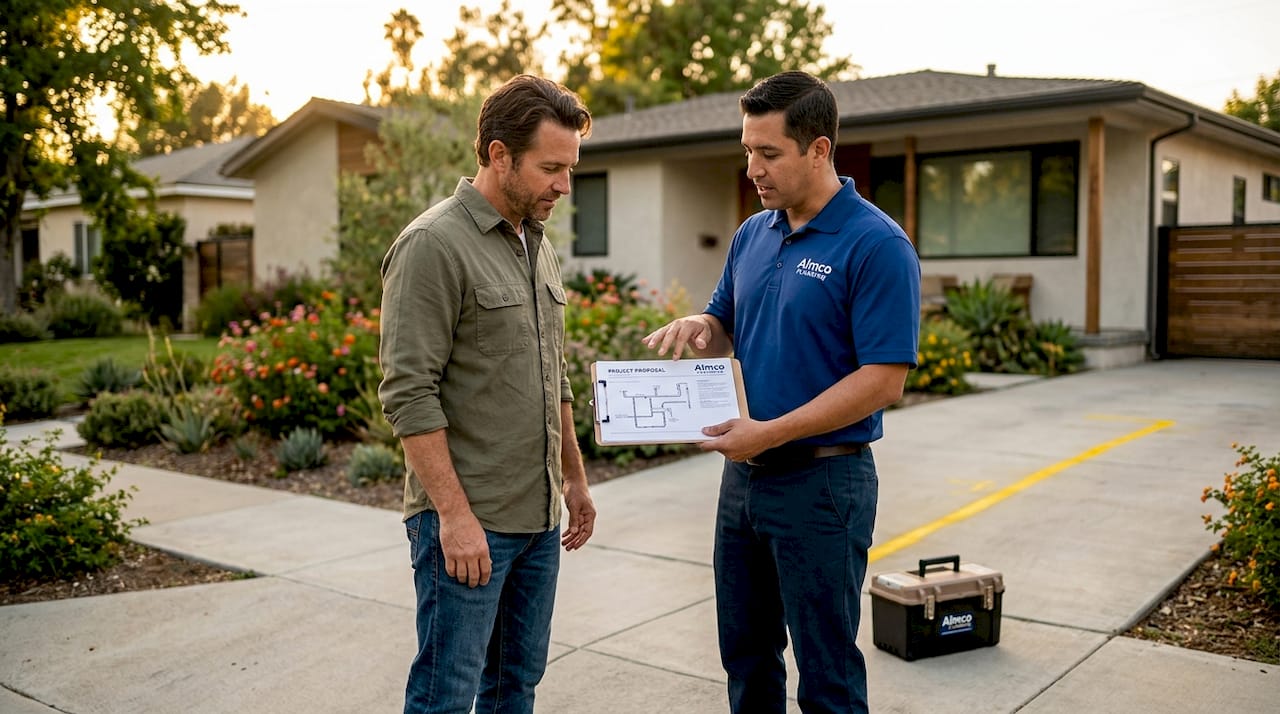
Pro Tip: Ask your contractor to provide a written scope of work before any digging starts. It should specify the method being used, the access points, the liner material and thickness, and the curing method. This protects you if questions arise later.
Understanding the sewer line replacement cost in San Diego before you get quotes also helps you recognize a fair price versus an inflated one. When choosing a plumbing contractor for this work, verify that they carry a California C-36 plumbing license and have documented experience with trenchless pipe installation specifically.
Executing trenchless sewer replacement: step-by-step guide
Now that preparation is complete, here is the detailed execution process for trenchless replacement. Whether your contractor is performing CIPP lining or pipe bursting, the general sequence follows a consistent pattern.
- Dig minimal access pits. Unlike traditional trenching, trenchless pipe installation requires only small entry and exit pits, typically 2-4 feet wide. This is where the equipment enters and exits the pipe.
- Clean and jet the pipe. Hydrojetting clears debris, grease, and root intrusion from the pipe interior. This step is critical for CIPP lining because the resin must bond directly to the pipe wall. Any contamination left behind will compromise adhesion.
- Conduct a pre-installation CCTV inspection. After jetting, a second camera pass confirms the pipe is clean and ready. It also documents baseline conditions for quality assurance.
- Insert the liner or position the bursting tool.
- For CIPP: A felt or fiberglass liner saturated with epoxy or polyester resin is pulled or inverted into the pipe. It is then expanded against the pipe wall using air or water pressure.
- For pipe bursting: A bursting head attached to a cable is pulled through the old pipe by a hydraulic machine at the exit pit. The head fractures the old pipe outward as the new HDPE pipe follows behind it.
- Cure the liner (CIPP only). Curing methods include hot water, steam, UV light, or ambient temperature. UV curing is increasingly common because it is faster and more controllable. Polyurea spray lining cures in seconds to minutes, making it ideal for semi-structural repairs to joints and manholes in occupied buildings where speed matters most.
- Cut lateral connections. After the liner cures, a robotic cutter reopens any lateral connections that were sealed during the lining process.
- Backfill and restore access pits. The small excavation areas are filled and compacted. Surface restoration is minimal compared to open-cut methods.
Safety note: Trenchless equipment generates significant hydraulic force during pipe bursting. Keep bystanders and pets clear of the work area. Your contractor should set up proper containment around access pits to manage any debris or groundwater that surfaces during the process.
Pro Tip: Ask your contractor which curing method they use for CIPP and why. UV curing typically produces more consistent results than ambient curing in variable weather conditions, which matters in San Diego’s coastal areas where morning marine layer can affect temperature.
Verifying and maintaining your trenchless sewer repair
After executing repairs, verifying quality and maintaining the system are critical for lasting success. A trenchless repair that is not properly verified can fail within a year or two, which defeats the entire purpose.
Post-installation verification steps:
- CCTV inspection after curing. ASTM F1216 governed CIPP requires a post-installation CCTV inspection and proper curing to avoid flow-reducing wrinkles. Your contractor should provide you with video documentation of the finished liner.
- Check for wrinkles or folds. Wrinkles in the liner reduce flow capacity and create areas where debris can accumulate. If wrinkles are present, they need to be addressed before the job is signed off.
- Confirm lateral connections are open. A robotic cutter should have reopened all lateral connections. Verify this on the post-installation video.
- Pressure or air testing. Some contractors perform a pressure test to confirm the liner is sealed and structurally sound. Ask whether this is included.
Ongoing maintenance best practices:
- Schedule a camera inspection every 3-5 years to catch early issues before they become failures.
- Have the line jetted periodically, especially if you have mature trees near the sewer path. San Diego’s ficus, eucalyptus, and palm root systems are aggressive.
- Watch for slow drains or gurgling sounds, which can signal root intrusion or liner movement.
Pro Tip: Schedule your first post-repair inspection after the first significant rainy season. Increased groundwater infiltration during rain can expose small gaps or incomplete cure areas that are not visible under dry conditions. The cost of CIPP lining typically includes a warranty, so catching issues early keeps you within the coverage window.
Why trenchless sewer replacement is the smart choice for San Diego property owners
After more than two decades of working on sewer lines across San Diego, we have a clear view of what works here and what does not. The local environment creates specific challenges that make trenchless methods not just convenient, but genuinely better suited to most residential and commercial properties in this region.
San Diego’s clay-heavy soils expand and contract with seasonal moisture changes. That movement is a primary driver of pipe joint separation and cracking. Open-cut replacement disturbs that soil, which means the new pipe is immediately subject to the same shifting forces. Trenchless methods leave the surrounding soil largely undisturbed, which reduces the risk of future movement-related damage.
Root intrusion is the other major factor. San Diego soil and root intrusion require thorough jetting before lining to ensure resin bonding. Failure to do so causes early liner failure within one to two years. This is not a minor detail. It is the difference between a repair that lasts 50 years and one that fails before the warranty expires. We have seen contractors skip the jetting step to save time, and the results are predictably bad.
The advantages of trenchless repair go beyond convenience. In San Diego’s dense urban neighborhoods and hillside properties, open-cut work often means tearing up driveways, retaining walls, or mature landscaping that costs far more to restore than the pipe repair itself. Trenchless methods eliminate most of that collateral damage.
Our strong recommendation: verify that any contractor you hire follows NASSCO (National Association of Sewer Service Companies) standards and ASTM specifications for CIPP work. These are not bureaucratic formalities. They are the industry benchmarks that separate reliable repairs from shortcuts. Ask for documentation before work starts.
Get professional trenchless sewer replacement services in San Diego
Ready to choose the right trenchless sewer replacement option? Almco Plumbing is here to help with expert service and local knowledge built over more than 20 years serving San Diego homeowners and property managers.
We serve homeowners and property managers across San Diego and surrounding neighborhoods, providing camera inspections, CIPP lining, pipe bursting, and full sewer line replacement services with transparent pricing and no surprises. Our team follows NASSCO and ASTM standards on every job, and we provide post-installation video documentation so you know the work was done right.
When you work with Almco Plumbing, you get:
- Minimal disruption to your property and daily routine
- Fast turnaround, often completed in a single day
- Durable results backed by manufacturer and workmanship warranties
- Clear guidance on permits, costs, and project planning
- A licensed, experienced team you can trust
Not sure which method is right for your situation? Contact us to schedule a camera inspection and get a straightforward assessment. You can also review our guide on choosing the best plumbing contractor to know exactly what to look for before you hire anyone.
Frequently asked questions
What trenchless method is best for severely damaged sewer pipes?
Pipe bursting is best for severely damaged pipes because it fragments the old pipe and pulls in a new one simultaneously. It maintains or increases diameter for severely damaged lines, making it the right choice when the existing pipe is collapsed or structurally compromised.
Do I need a permit for trenchless sewer replacement in San Diego?
In San Diego, trenchless repairs via existing cleanouts may not require permits if classified as repairs, but structural replacements typically require permits and inspections. Homeowners responsible for lateral repairs can often proceed without city permits for standard repair work, but always confirm with your contractor before starting.
How long does trenchless sewer replacement typically take?
Trenchless sewer replacement usually completes in a day or less, often within a few hours for smaller jobs. Experienced professionals can finish trenchless pipe lining projects in a single day, minimizing disruption to your home or property.
Can trenchless lining reduce my pipe’s flow capacity?
Yes. CIPP lining reduces the pipe’s internal diameter by about 6-12%, which could affect flow if your system is already near capacity. Your contractor should factor this into the assessment before recommending CIPP over pipe bursting.
What maintenance is needed after trenchless sewer replacement?
Periodic camera inspections every 3-5 years and regular jetting help maintain trenchless repairs over time. San Diego soil and roots require ongoing attention, particularly after rainy seasons when infiltration risk is highest and liner integrity should be confirmed.
Recommended
- What Is Trenchless Sewer Repair and How to Choose the Best Method Easily – Almco Plumbing
- What is Trenchless Sewer Repair? A Smart, Hassle-Free Solution – Almco Plumbing
- How Does Trenchless Sewer Repair Work? A Smart and Efficient Process – Almco Plumbing
- Sewer Line Replacement Cost, CIPP Trenchless Repair in San Diego – Almco Plumbing